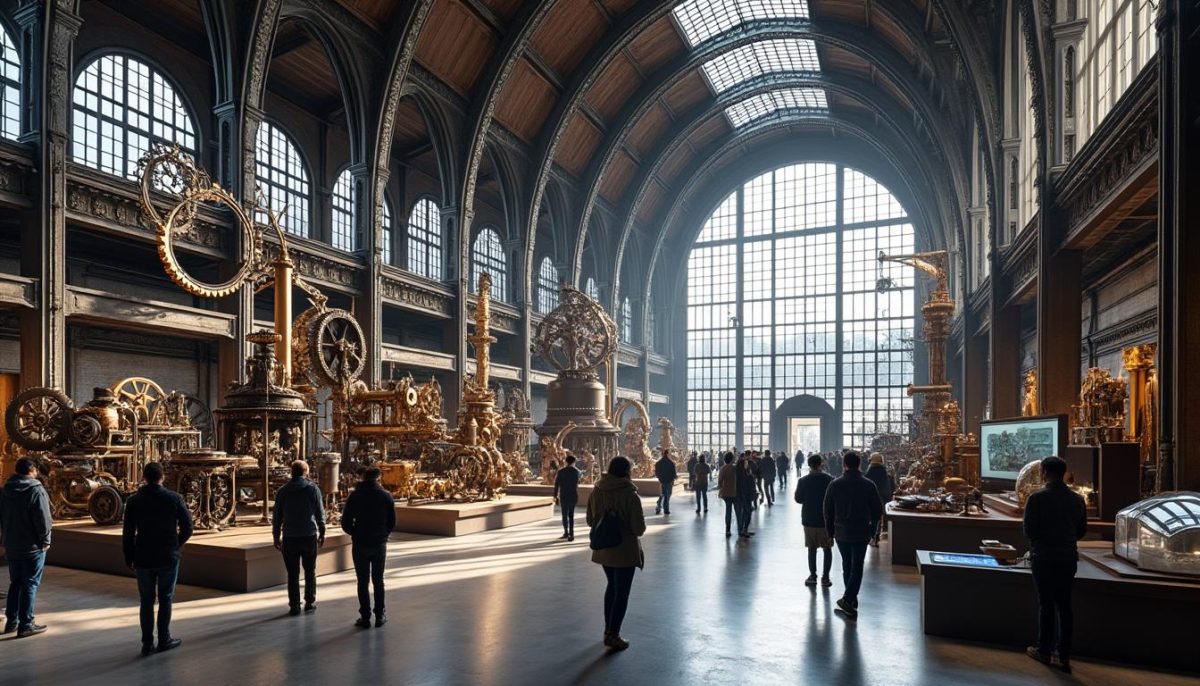
The Arts et Métiers Museum, nestled in the vibrant heart of Paris, serves as a magnificent testament to the marvels of human ingenuity. Established in 1794 during a period of notable change and upheaval, the museum has positioned itself as Europe’s oldest science museum, meticulously preserving a broad spectrum of technological wonders and scientific artifacts. A visit here is like stepping into a time capsule that captures the essence of innovation, spanning centuries of progress in science, engineering, and design. With over 80,000 objects and 15,000 drawings in its collection, the museum offers an engaging narrative of how inventions have transformed our world.
As technology continues to evolve in 2026, the significance of understanding these historical inventions becomes increasingly apparent. Each exhibit tells a story, illustrating not just the accomplishment of the creators but also the societal context in which these inventions flourished. The museum’s unique atmosphere, filled with echoes of tinkering and discovery, sets the stage for exploring the history of machines and tools that have informed modern life.
Unveiling the Treasures of the Arts et Métiers Museum
Embarking on a journey through the Arts et Métiers Museum entails delving deep into the core of human creativity and scientific advancement. The layout of the museum is thoughtfully organized into specific collections which include Scientific Instruments, Energy, Mechanics, and more. Each section invites visitors to engage with extraordinary artifacts that have informed countless sectors—from the arts to engineering.
One of the museum’s most notable features is the presence of Foucault’s Pendulum, a dramatic demonstration of Earth’s rotation. This pendulum, originally showcased at the 1855 Universal Exhibition in Paris, continues to captivate the imagination of visitors, symbolizing the relentless quest for knowledge and understanding of the universe. Observing it in action is a profound experience, reiterating how scientific experimentation lays the groundwork for future discoveries.
Another remarkable gem in the museum is the first model of the Statue of Liberty, which stands outside as an example of how cultural icons can transcend borders and communicate shared values of liberty and innovation. Nearby, one can find the innovative designs of early aircraft by figures like Clément Ader, who may have tested his designs long before the Wright brothers took flight. This lineage of ingenuity underscores the interconnectedness of ideas and advancements around the globe.
Exploring the Multifaceted Collections
The museum’s extensive assortment is categorized into seven main collection areas, showcasing artifacts that span various disciplines and eras. For instance, in the Scientific Instruments collection, visitors can admire precision tools and devices used for groundbreaking experiments. The Energy section reveals transformative developments in how we harness and utilize energy—from steam engines to modern innovations.
The Transportation section highlights the evolution of vehicles, from vintage bicycles to early automobiles, allowing visitors to trace how transportation has evolved through innovation. Each collection is designed to enhance understanding and appreciation for technological progress, encouraging visitors to reflect on how these past inventions shape our contemporary world.
For young minds and curious souls, the museum offers educational programmes and guided tours that further enrich the experience. Students can explore how the principles of science are manifested in tangible creations. Together, these initiatives cultivate an environment ripe for curiosity, fostering a love of technology and engineering among the next generation.
The Role of Education and Engagement
The Arts et Métiers Museum recognizes the importance of linking history with accessibility and engagement. As an institution continuously adapting to modern societal needs, the museum hosts temporary exhibitions that spotlight contemporary technological advancements, reflecting the ongoing journey of inventions. This recurrent updating of exhibits not only attracts diverse audiences but also provides a platform for dialogue about the future of technology.
Educational resources are tailored to varying age groups, ensuring that both children and adults can find meaningful ways to connect with the content. Through interactive displays and workshops, visitors can engage with the science behind inventions, gaining hands-on experience that brings theories to life. The guided tours, available in multiple languages, cater to an international audience and contribute to a shared understanding of our collective heritage.
Moreover, the location itself, built within a former priory and church, adds a layer of historical richness that enhances the learning environment. The juxtaposition of sacred architecture and pioneering science serves as a constant reminder of how artistic achievements and scientific breakthroughs coexist and inform one another. This is especially pertinent in today’s context, where interdisciplinary collaboration is increasingly recognized as key to innovative breakthroughs.
Significance of the Museum in Contemporary Society
In a world continuously shaped by rapid advancements in technology and societal shifts, the Arts et Métiers Museum plays a significant role in preserving history while prompting reflection on the future. In 2026, as many countries grapple with the implications of artificial intelligence and sustainable practices, understanding our technological past provides critical insight into how we might evolve in the future.
The museum encourages discourse on ethical questions surrounding new technologies, pondering what the lessons of history can teach us about future innovations. When examining machines and inventions from the past, it is essential to grapple with their impact—both positive and negative—on society. This reflective approach can guide contemporary debates about innovation and technology’s role in society.
Furthermore, the museum collaborates with educational institutions and innovation hubs to bridge gaps between theory and practice. These partnerships enhance research initiatives and develop programs that inspire young inventors and engineers. By fostering a culture of inquiry and invention, the Arts et Métiers Museum cultivates an ecosystem where history continues to fuel creativity and inspire future innovations.
| Collection Area | Key Artifacts | Focus |
|---|---|---|
| Scientific Instruments | Microscope, Drafting tools | Precision in experiments |
| Energy | Steam engine, Gas turbine | Sources of power |
| Transportation | Ford Model T, Early aircraft | Evolving mobility |
| Mechanics | Gears, Cogs | Fundamentals of movement |
Planning Your Visit to the Arts et Métiers Museum
Operating hours typically run from Tuesday to Sunday, from 10:00 AM to 6:00 PM, with extended hours on Thursdays until 9:30 PM. It’s important to check the museum’s official website for updates on temporary exhibitions and visitor guidelines, especially to ensure a smooth experience for families. Although the museum may not cater to very young children, it offers a wealth of knowledge perfect for children aged ten and above. A visit to this museum is not merely a stroll through displays; it’s an invitation to engage with the legacy of innovation. Whether walking through the halls discussing technology over a meal at Chez L’Ami Louis nearby, or diving into an in-depth examination of Foucault’s Pendulum, your time at the Arts et Métiers Museum promises to be enlightening and enriching.