The Bastille, a name that resonates through the annals of French history, has undergone a profound transformation from its origin as a fortress to its current status as a symbol of celebration. Once a feared prison, the Bastille is now a vibrant epicenter of cultural festivities and political action in Paris. This monumental change reflects a deeper narrative about France itself, imbued with themes of revolution, liberty, and heritage. The iconic structure embodies not only the spirit of resilience but also the remembrance of tumultuous times that shaped the nation. With a journey marked by dramatic events and cultural evolution, the Bastille remains a point of fascination and devotion for both locals and visitors alike.
The Bastille: From Fortress to Feared Prison
Constructed in the late 14th century, the Bastille was originally built as a fortress to defend Paris against potential English invasion during the Hundred Years’ War. This architectural marvel was admired for its formidable structure, which included four drawbridges and thick walls, exemplifying medieval architectural ingenuity. Over time, however, its role shifted dramatically. By the mid-17th century, during Louis XIV’s reign, the Bastille gained infamy as a state prison, a place where dissenting voices—many of them members of the aristocracy—were imprisoned.
A curious paradox emerged: while the Bastille was engineered for protection, it became a symbol of oppression and tyranny. By the time the revolutionary fervor enveloped the city in 1789, the Bastille had come to represent everything that the populace despised about the monarchy. On July 14, 1789, a group of 633 angry citizens stormed the fortress in an act that marked the beginning of the French Revolution. Their motives, fueled by the desire for liberty, equality, and fraternity, led them to capture the prison not merely to free its seven inmates but to dismantle the oppressive symbols of absolute power.
The aftermath of this explosion of revolutionary spirit was profound. Within weeks, the Bastille was demolished, its stones scattered, and its reputation forever altered. This act of rebellion not only changed the political landscape of France but also instilled a sense of empowerment among its citizens. The once-feared fortress had become a rallying point for liberty. Today, its historical significance is celebrated annually on Bastille Day, a national holiday in France, encapsulating the spirit of freedom that emerged from those tumultuous times.
The Architecture of the Bastille: A Study in Contrasts
The architecture of the Bastille offers a captivating narrative about its dual identity. Initially built as a fortress with formidable defensive capabilities, the structure evolved into a prison that housed a diverse range of inmates. What’s intriguing is how these dual functions are reflected in its design. The original fortress was characterized by thick stone walls and a strategic layout that made it difficult to penetrate. Its architectural intricacies were not just about deterrence but also showcased the prevailing military tactics of the time.
As a prison, however, the Bastille took on a different significance. The conditions for inmates, contrary to popular belief, were relatively comfortable, particularly for the upper-class prisoners who inhabited its cells. For example, the infamous Marquis de Sade was known to have lived lavishly within the confines of this stronghold, surrounded by luxury items like tapestries, wines, and even a library. This contrast in lifestyle highlights the Bastille’s complexities as a representation of both punishment and privilege.
In the wake of the fortress’s destruction in 1789, the architectural landscape evolved again with the construction of the Colonne de Juillet in the late 1830s, commemorating the July Revolution that overthrew the Bourbon monarchy. This column stands on the former site of the Bastille, serving as a symbol of liberty and as a monument to those who fought for freedom and justice. The column’s design incorporates elements of neoclassical architecture, further emphasizing the ongoing interplay of history, power, and artistic expression.
Bastille Day: A Celebration of Freedom
Bastille Day, celebrated on July 14, is not just a historical marker; it encapsulates the resilience of the French spirit. Over the years, this day has transformed into a vibrant celebration of national pride, encompassing parades, fireworks, and public gatherings. Yet, interestingly, much of the festivities occur far from the actual site of the Bastille. The grand military parade starts at the Arc de Triomphe and flows down the iconic Champs-Élysées, ultimately reaching the Place de la Concorde.
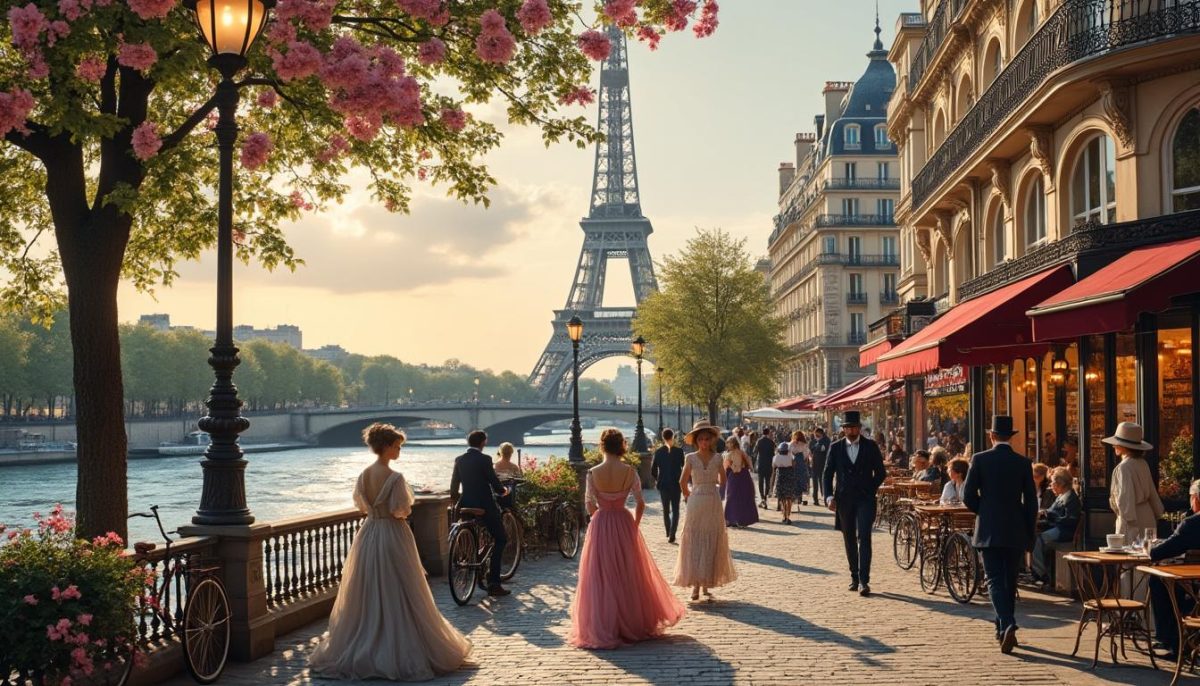
The juxtaposition of the commemoration of liberty next to the stunning Eiffel Tower serves as a reminder of the journey France has made from oppression to a democratic society. Evening fireworks illuminate the city skyline, symbolizing hope and a bright future. The spirit of celebration is palpable as people from all walks of life come together to experience this national festival. Demonstrations and political rallies are not uncommon on this day, reinforcing the connection between historical events and contemporary struggles for freedom.
Bastille Day embodies more than just a series of events; it is a portal into the soul of France. The festive atmosphere invites locals and tourists alike to engage in shared narratives of resilience and revolution. Many Parisians find themselves drawn to the energy of the Place de la Bastille, where the echoes of history resonate in the heart of the celebrations, intensifying the legacy of this pivotal day. Various neighborhoods throughout Paris also host their own festivities, creating a city-wide environment of joy, music, and dance.
Exploring the Bastille Through the Canals and Waterways
The waterways of Paris carry with them stories that are as rich as the city’s turbulent history. Following the Bastille’s transformation, the canals, initiated by Napoleon Bonaparte, began to play an important role in the urban landscape. Canal Saint-Martin, designed to connect the Seine to various parts of the city, offers a unique perspective on the Bastille’s legacy. An adventurous and relaxing way to appreciate this heritage is through a scenic boat cruise that takes you beneath the historical landmark.
These cruises allow passengers to experience the architectural brilliance of the canals while learning about their historical relevance. As the boat glides through the underwater passage beneath Place de la Bastille, it unveils a hidden dimension of the city that many inhabitants overlook. It’s a serene journey that contrasts with the tumultuous events that defined the Bastille’s past.
The intertwining of waterways with the urban environment served as a means for trade, transport, and ultimately, a lifeline for the city. Today, these very canals signify how architecture can foster a collective heritage while continually evolving to meet contemporary needs. A visit to one of these canal cruises provides insight not only into the Bastille’s past but also into Paris’s continuous development as a hub of culture and innovation.
The Bastille’s Enduring Legacy in Modern Paris
The legacy of the Bastille transcends its physical structure. Its story continues to inspire contemporary discussions about freedom, rights, and the importance of civic engagement. In today’s Paris, the Place de la Bastille is an emblematic space where citizens gather not only to commemorate their past but to advocate for their future. Over the years, it has hosted numerous demonstrations, political speeches, and celebrations that underline the vitality of civil society.
Moreover, the modern-day Bastille has transformed into a cultural hub, hosting events throughout the year that reflect both its heritage and the city’s lively atmosphere. Venues like the Opéra Bastille showcase grand performances that echo the artistic spirit of the revolution, while the surrounding area flourishes with cafés and art galleries that keep the memory of the Bastille alive in everyday life.
Today, Paris stands not only as a backdrop to the Bastille’s history but as a living testament to the ongoing pursuit of liberty and justice. The journey from fortress to festival has been paved with struggles, sacrifices, and victories that continue to shape the cultural and political discourse in France. As the city evolves, so does its interpretation of the Bastille, reminding everyone that heritage is more than the past; it’s a living narrative that invites participation and involvement.
| Year | Event | Significance |
|---|---|---|
| 1370 | Construction of the Bastille | Fortress built for defense against English forces |
| 1659 | Bastille becomes a prison | Symbol of tyranny under Louis XIV |
| 1789 | Storming of the Bastille | Beginning of the French Revolution |
| 1830 | Construction of the Colonne de Juillet | Memorial to the July Revolution |
| 1989 | Inauguration of Opéra Bastille | Modern cultural landmark |