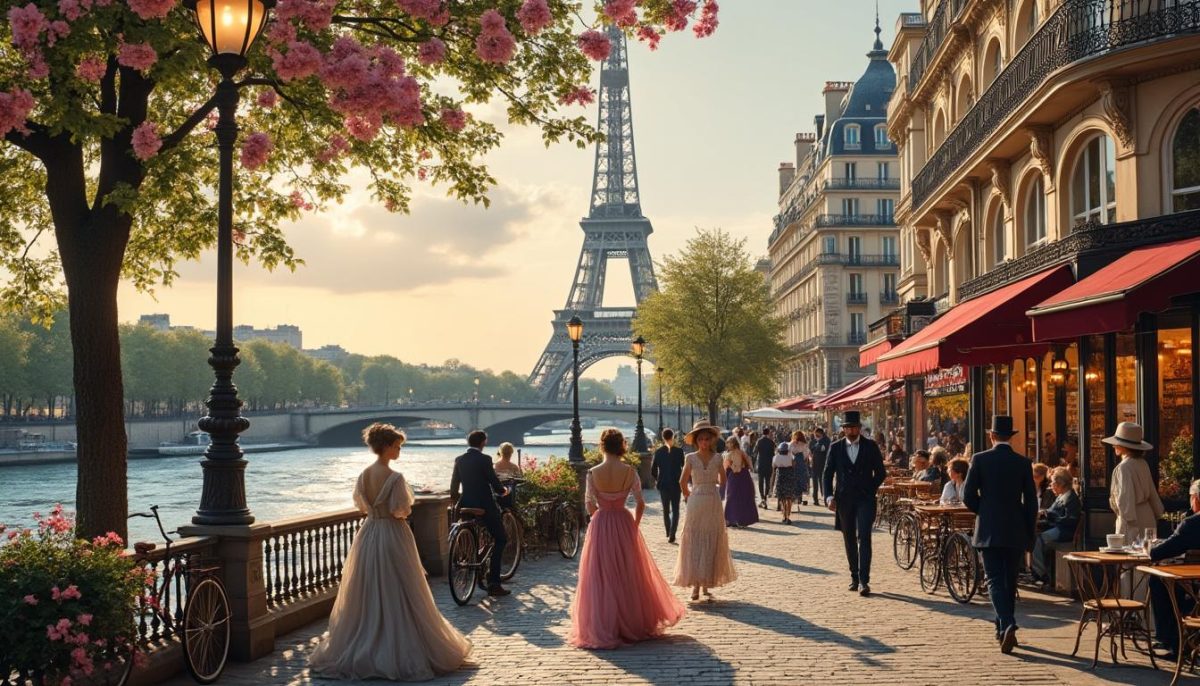
As we delve into the heart of Paris, one cannot overlook the era known as the Belle Époque, a period that redefined the very essence of the city between 1871 and 1914. Characterized by remarkable advancements in art, architecture, and culture, it was during this golden age that Paris transformed into a vibrant tableau of creativity and innovation. Renowned for its stunning architectural achievements, the Belle Époque era is celebrated for its blend of Art Nouveau designs and the revival of classical styles. Monuments, theater, and gastronomy flourished, and iconic structures emerged, shaping the aesthetic experience of the city that persists even today. Join us as we navigate through this enchanting landscape, exploring stunning wonders that define Paris’s cultural heritage.
Architectural Marvels of the Belle Époque: A Journey Through Time
The Belle Époque was marked by an architectural renaissance that introduced a variety of styles to Paris’s skyline. From the mesmerizing elegance of the Art Nouveau movement to Classical revivals, the streets were adorned with masterpieces that told tales of an era burgeoning with optimism. One cannot begin this architectural journey without mentioning the iconic Eiffel Tower, which was completed in 1889. Designed by Gustave Eiffel, it stood as a symbol of modernity and technological innovation, reaching a height of over 300 meters, a record holder until the completion of the Chrysler Building in New York in 1930.
Another hallmark of Belle Époque architecture is the Grand Palais, built for the 1900 Exposition Universelle. The structure features an expansive glass roof, beautifully lit interiors, and is a marvel of engineering. The Grand Palais’s design, combining both the classical and the modern, perfectly encapsulates the spirit of the Belle Époque, showcasing exhibitions that continue to attract art lovers and historians alike.
As we traverse the city, the brilliance of Pont Alexandre III reveals itself. This ornate bridge was unveiled at the same exposition and signifies Parisian opulence. Its detailed sculptures, gilded features, and delicate arches pay tribute to the Franco-Russian alliance, symbolizing peace and collaboration. Visitors standing on this bridge often overlook the Seine, where the beauty of Paris blends into the horizon, making it a must-visit spot for photographers and romantics alike.
The Flourishing Arts Scene
While architectural achievements flourished, the arts also embraced this period of creativity. Paris became the epicenter of innovation in painting, music, and literature. The Impressionist movement gained momentum, with artists like Claude Monet, Edgar Degas, and Pierre-Auguste Renoir revolutionizing the way art was viewed, focusing on capturing light and momentary expressions. Exhibitions in prestigious galleries opened new dialogues about artistic expression and paved the way for contemporary art.
Moreover, the illustrious Théâtre des Champs-Élysées serves as a testament to the avant-garde spirit of the time. Constructed in 1913, its inaugural production, Stravinsky’s “The Rite of Spring,” famously incited a riot due to its unconventional style and modernist themes, illustrating the dramatic shift in cultural values. The building itself, characterized by its Art Deco design, marked a transition that would influence the aesthetics of the 20th century.
Art Nouveau, with its flowing lines and organic forms, permeated not only buildings but household items and public art. The designs of Hector Guimard, particularly his Metro station entrances, exemplify this blend of form and function, creating welcoming gateways to the city. These iconic entrances embody the spirit of Belle Époque enchantment, each telling its own story of a city embracing modernity while respecting its heritage.
Culinary Excellence: Dining in Belle Époque Paris
The Belle Époque paved the way for an extraordinary culinary revolution in Paris. With the increasing wealth and leisure of the bourgeoisie, dining became not just a necessity but an experience of culture and identity. Restaurants such as Le Train Bleu, situated in the Gare de Lyon, became iconic. The restaurant showcases a lavish interior adorned with frescoes painted by famous artists, making dining an aesthetic experience akin to art itself.
Opened in 1901, Le Train Bleu captures the essence of the era with its sumptuous décor and culinary excellence. Famous figures, including Coco Chanel and Brigitte Bardot, have dined here, each adding to the vibrant narrative of this exquisite venue. It serves as both a restaurant and a cultural landmark, showcasing the grandeur of Belle Époque dining traditions that still influence Parisian cuisine today.
Another culinary treasure is the Brasserie Vagenende, which opened its doors in 1904 and remains largely unchanged. This brasserie is recognized as a historical monument, offering patrons not just a meal but an immersive experience into the past. The interior, with its ornate wood paneling and etched mirrors, invites diners to relish traditional French dishes such as beef bourguignon and onion soup, lovingly prepared to evoke nostalgia.
The Evolution of the Café Culture
At the heart of the Belle Époque was a vibrant café culture that provided a backdrop for social interactions and intellectual discourse. Cafés became pivotal spaces for debates and exchanges of ideas that fueled the literary and artistic revolutions of the time. Iconic establishments like the Café de Flore and Les Deux Magots located in Saint-Germain-des-Prés became meeting spots for legendary figures, including authors like Ernest Hemingway and philosophers such as Jean-Paul Sartre.
The café scene wasn’t just about coffee; it symbolized a lifestyle that celebrated creativity and discussion. Writers and artists crafted masterpieces while sipping coffee, each interaction paving the way for new ideas. These cafés offered more than refreshment; they morphed into incubators of cultural progress where the avant-garde challenged norms and inspired what would eventually shape modern thought.
The Enduring Legacy of Belle Époque Paris
As we reflect on the Belle Époque, it becomes clear that its legacy extends well beyond the architectural wonders and artistic milestones. The values of creativity, innovation, and a rich cultural tapestry strongly influenced the identity of modern Paris. This era established a framework for future artistic movements and architectural endeavors that continue to resonate in the city today.
In 2026, visiting Paris means witnessing the remnants of the Belle Époque through festivals celebrating its art and cuisine, themed exhibitions in modern galleries, and guided tours that highlight the magnificence of historical sites. The enduring impact of this era inspires not just Parisians but visitors from around the world, each eager to experience the splendor of a time when artistry flourished, and the city emerged as a beacon of cultural innovation.
Preserving History for Future Generations
Efforts to preserve the architectural integrity and cultural significance of Belle Époque landmarks are evident throughout Paris. Organizations dedicated to heritage conservation ensure that the stunning wonders created during this vibrant time are maintained, providing inspiration for future generations. These structures contribute to the narrative of French history and serve as constant reminders of a time when Paris was at the forefront of global artistic and cultural advancements.
| Landmark | Year Established | Significance |
|---|---|---|
| Eiffel Tower | 1889 | Symbol of modernity |
| Grand Palais | 1900 | Exposition Universelle venue |
| Pont Alexandre III | 1900 | Architectural masterpiece |
| Théâtre des Champs-Élysées | 1913 | Home of modernist performances |
| Le Train Bleu | 1901 | Iconic dining experience |
In this way, the Belle Époque continues to capture the imagination, each landmark, café, and artistic endeavor echoing the vibrancy of a time that shaped not only Paris but the cultural landscape of the world.