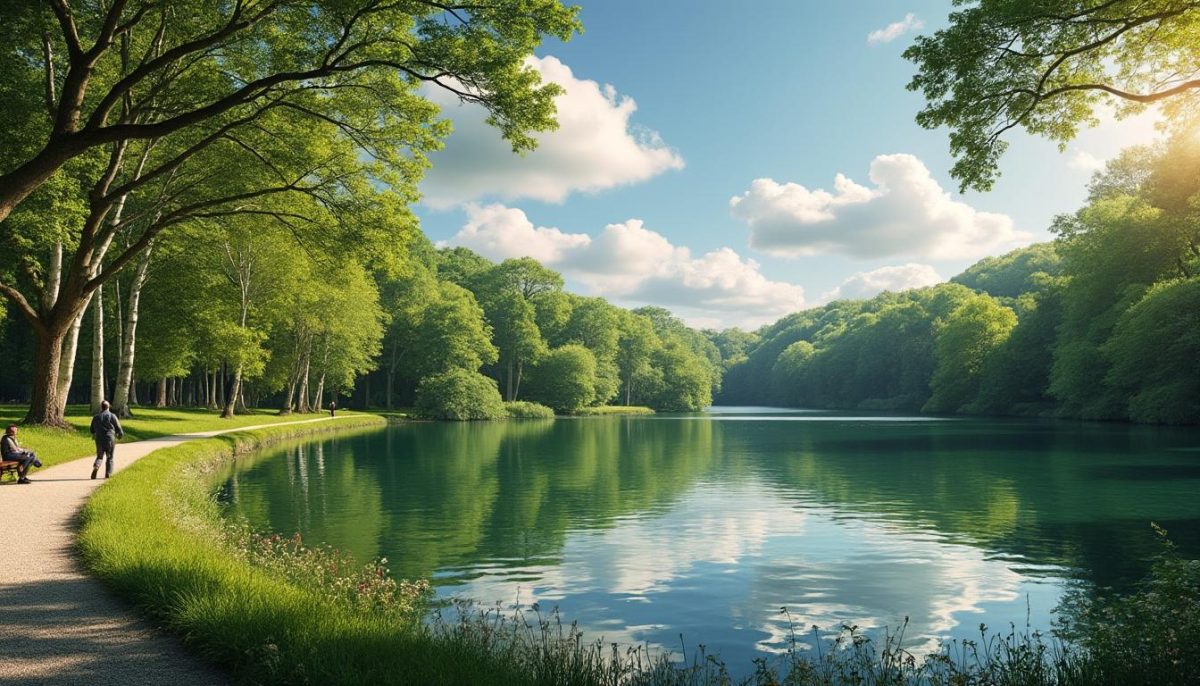
A sprawling haven just outside the bustling edge of Paris, the Bois de Vincennes stands as the largest green retreat in the city. Covering an impressive 2,459 acres, it serves not only as an outdoor paradise but also as a reservoir of history that stretches back over a millennium. Originally established as a royal hunting ground, this majestic park combines serene lakes, vibrant gardens, and a rich tapestry of cultural landmarks. With its wide-ranging paths suited for hiking, cycling, and leisurely strolls, the park invites both locals and tourists to unwind and reconnect with nature. Adventurous families can savor a day at the Paris Zoological Park, while those seeking tranquility can find solace by its picturesque lakes. Nestled on the eastern edge of Paris in the 12th arrondissement, the Bois de Vincennes is often referred to as the city’s “right lung,” in contrast to the Bois de Boulogne, bestowing fresh air and opportunities for relaxation upon all who visit.
Natural Wonders: The Four Lakes of Bois de Vincennes
Cascading through the park like ribbons of tranquility, the four lakes of Bois de Vincennes, created to embody the Romantic motifs of the 19th century, are as enchanting as they are vital to the park’s ecosystem. The lakes are positioned strategically amidst lush landscapes, providing space for tranquility and recreation. Three of these lakes are man-made, while one, Lac de Saint-Mandé, is natural, exhibiting beautiful vistas and calm surroundings.
Lac Daumesnil boasts not just aesthetic beauty but playful charm, with two islands that invite exploration. Picnicking by its banks or renting a boat for a leisurely afternoon presents opportunities for families and friends to create lasting memories. Meanwhile, Lac des Minimes whispers tales of the past—its shores display remnants of a bygone monastery, adding cultural depth to its serene atmosphere. The gentle cascade feeding into this lake enchants visitors with its soft murmur.
Then there’s the intimate Lac de Gravelle, the smallest of the four, exuding quietude perfect for those seeking solitude. Just southwest, the larger Lac de Saint-Mandé channels water from the neighboring Marne River, helping sustain the delicate balance of nature by flowing through artificial streams to the other lakes. This interconnected system of lakes embodies not just beauty, but a living ecosystem that supports the diverse wildlife inhabiting this vast park.
Activities Around the Lakes: A Playground for All Ages
The idyllic scenarios surrounding these sparkling lakes offer a rich variety of activities that cater to all types of adventurers. From serene walks along tree-lined pathways to exciting bike rides across well-maintained trails, every visitor will find their niche in this expansive park. Children can burn off their energy at playgrounds interspersed throughout the area. Local families often gravitate towards the recently renovated mini-golf course, which creatively incorporates miniature versions of famous Parisian landmarks. This is particularly appealing for those looking to engage their competitive spirits while enjoying the fresh air.
Moreover, the lakes present opportunities for fishing, boating, and other water activities, encouraging environmental engagement among visitors. Whether one seeks a peaceful moment by the water or an adventurous day filled with activities, Bois de Vincennes guarantees memorable experiences filled with the beauty of nature.
Cultural Landmarks: The Historical Treasure of Château de Vincennes
Sprinkled with rich history, the Bois de Vincennes is not just a playground for nature enthusiasts. The park houses the Château de Vincennes, a medieval castle that stands as a testament to Paris’s regal past. Originally built in the 14th century, this impressive fortress has weathered the tests of time and served many roles throughout its existence. Today, it offers an insight into the architectural marvels of the Middle Ages paired with a connection to the grandeur od the French monarchy.
The construction of the château began under King Philip VI and continued under subsequent rulers. The castle became a royal residence and military stronghold, enchanting historians and architecture aficionados alike. Walking through the medieval gates of the Château de Vincennes enables visitors to envision the past while they explore its vast courtyards and fortified walls. The castle also allows for guided tours, where knowledgeable historians recount stories about its significance, giving life to the stone walls that have witnessed centuries of change.
Accessible from the park, the château makes the perfect add-on to a leisurely day in Bois de Vincennes. As one wanders the paths, looking up occasionally to spot the castle towering majestically, it becomes clear that this historical treasure not only reflects the rich narrative of the park but also complements the tranquility of the surrounding green spaces.
The Floral Paradise: Discovering Parc Floral de Paris
At the heart of Bois de Vincennes lies the enchanting Parc Floral de Paris, an exquisite garden sprawling across approximately 69 acres. Established in the late 1960s, this thematic garden features a multitude of distinct areas filled with colorful blooms, serene walking trails, and seasonal activities that resonate across all ages.
Wandering through the garden, one will be dazzled by hundreds of varieties of irises, skillfully displayed in exquisite arrangements. The lively atmosphere created during the annual events, like the Paris Jazz Festival and the Peacock Festival, showcases the blending of art and nature, attracting both residents and tourists seeking free cultural events. The park is not just about enjoying the flora, as it also houses a mini-golf course designed as a miniature version of Paris, where all the famous monuments are recreated.
Visitors can even find a bonsai greenhouse, featuring these carefully nurtured trees that exemplify artistry and patience. This intimate encounter with nature creates a reflective ambiance, allowing the exploration of various botanical wonders while offering a respite from the noise of city life. A visit to Parc Floral provides the perfect escape, combining leisure, beauty, and education within its stunning landscape.
Seasonal Events and Community Engagement
The dynamic scheduling of seasonal events within Parc Floral keeps the community engaged and involved. Each year, programs such as gardening workshops and art displays champion the values of sustainability and creativity. It draws together locals and visitors for unique experiences, fostering connections while immersing them in nature. Participation in these events not only enhances appreciation for the park but also underscores the importance of preserving such green retreats amidst urban life.
The increasing engagement within the park cultivates a sense of belonging among attendees, bridging the gap between nature and community. Various activities encourage families and friends to spend quality time together, reinforcing the park’s role as a sanctuary of peace and togetherness.
The Legacy of Bois de Vincennes: From Hunting Ground to Urban Oasis
The Bois de Vincennes holds layers of history that link to French royalty and their hunting practices. Originally serving as a hunting ground for King Louis VII in the 12th century, it transitioned under various reigns, accumulating rich marks of history along the way. In the 19th century, under the direction of Emperor Napoleon III, the park underwent significant transformation through a visionary plan that emphasized public accessibility and leisure. This shift solidified its status as Paris’s green sanctuary.
The architect Baron Haussmann, known for transforming Paris’s urban landscape, collaborated with the engineer Jean-Charles Alphand to design a park that catered to the burgeoning bourgeois class of the Belle Époque. They sought to recreate a thriving ecosystem within the park, incorporating lakes, mills, and picturesque roads that soon captivated a diverse crowd.
The park’s vastness was not solely about creating open spaces for outdoor activities but rather a meticulous endeavor to forge a harmonious relationship between nature and urban architecture. A significant example of this is the horse racing track built in Vincennes, which not only garnered attention but also became a social hub. Even during the 1900 Summer Olympics, Bois de Vincennes served as the venue for various Olympic events, showcasing its importance as a recreational site.
Continuing the Legacy into 2026 and Beyond
Today, the Bois de Vincennes symbolizes more than just an expansive park; it represents a commitment to preserving this vibrant ecosystem while engaging the communities surrounding it. As 2026 approaches, urban planners and environmentalists are working tirelessly to ensure that Bois de Vincennes remains an exemplar for green initiatives in urban environments. Through various preservation programs, an emphasis on native species and cultural activities will cultivate biodiversity and environmental awareness.
Efforts to maintain and enhance Bois de Vincennes promise a bright future, preserving the beauty and serenity it has offered for centuries. Ensuring access to such an important green retreat allows both generations to appreciate and continue the legacy of this historic park.
| Feature | Details |
|---|---|
| Size | 2,459 acres |
| Number of Lakes | 4 (including artificial lakes) |
| Historical Significance | Dating back to the 12th century as a royal hunting ground |
| Key Attractions | Château de Vincennes, Parc Floral, and a zoo |
| Accessibility | Multiple transport options including Metro and RER |
For more information on exploring the park and its surroundings, visit this link.