The world of wine is as intricate as the landscapes from which it springs, with regions rich in history and tradition. One such region, famed for its unparalleled contributions to the vinous landscape, is Burgundy. Nestled in eastern France, Burgundy is celebrated not just for its wines, but for the very terroir that defines them—specifically, the unique environment and conditions that influence the grapes grown there. The jewel in this crown is undoubtedly the network of Climats, a term that embodies the essence of Burgundian viticulture. These vineyards, categorized by their specific geographical and geological attributes, have been recognized as a UNESCO World Heritage Site, highlighting their cultural significance. Through this exploration, we’ll delve into the multifaceted wine classifications that make Burgundy a benchmark for wine quality and diversity, enriching your understanding of this legendary region.
Understanding the Concept of ‘Climats’ in Burgundy
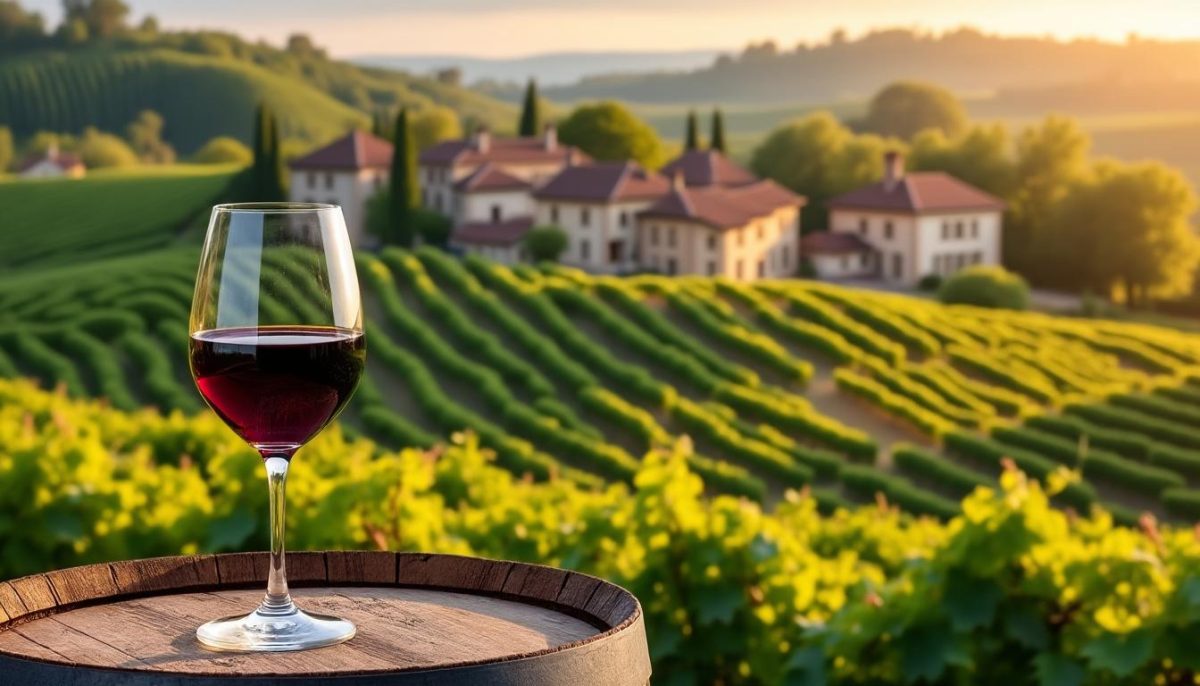
The term Climat is deeply rooted in the culture of Burgundy, referring to specific vineyard sites that have been meticulously defined over centuries. Each climat is a microcosm of its own, influenced by distinctive geological formations, soil compositions, and climate conditions. The Côte d’Or, which translates to “Golden Slope,” is the beating heart of Burgundy’s wine production, stretching approximately 50 kilometers from Dijon to Santenay. This narrow band is home to over 1,000 climats, making it one of the most diverse and highly prized wine-growing regions in the world.
A climat can be thought of as a piece of art—there are subtle nuances in every aspect that make each wine unique. For instance, a vineyard situated on a sun-drenched slope may yield grapes with much more pronounced fruit flavors compared to those grown in cooler, shaded areas. The varying soil types, which include rich limestone, clay, and marl, further contribute to the terroir of each climat.
The historical significance of these climats cannot be overstated. Each vineyard carries with it a story, often tied to generations of winemaking practices passed down through families. As such, the concept of terroir in Burgundy transcends mere agriculture—it is about preserving a legacy that connects the land to the wine in the bottle. This intimate relationship was formally recognized by UNESCO in 2015, reinforcing the importance of these landscapes in the global context of cultural heritage.
The Role of Terroir in Burgundy’s Wine Classifications
When discussing wine classifications, it is essential to understand the fundamental role of terroir in Burgundy. Unlike many regions in the New World that often label wines by their grape variety, Burgundy employs a more intricate classification system that emphasizes the origin of the wine. In the case of Burgundy, wines are categorized based on their climats, with each classification reflecting not just quality, but also the unique characteristics of the land.
The classification hierarchy consists of four main tiers: Regional, Village, Premier Cru, and Grand Cru. Each layer signifies a level of prestige and quality. Regional wines, which comprise about 52% of production, are generally labeled simply as Bourgogne. These wines offer a baseline quality reflective of the broader region. They are approachable, showcasing the quintessential characteristics of Burgundy without the complexities that come with specific climats.
As we progress through the classifications, Village wines represent the next tier, accounting for 37% of production. These are wines named after the villages from which they hail, highlighting their specific terroir while offering more nuanced flavors and aromas.
| Classification | Percentage of Production | Description |
|---|---|---|
| Regional Wine | 52% | General Burgundy wines labeled as Bourgogne. |
| Village Wine | 37% | Wines named after specific villages, offering richer terroir. |
| Premier Cru | 10% | A step up in quality from Village wines, reflecting notable climats. |
| Grand Cru | 1% | The pinnacle of Burgundy wines, produced from the finest climats. |
Exploring the Premier and Grand Cru Classifications
The zenith of Burgundy’s wine classifications lies within the Premier Cru and Grand Cru tiers, where the artistry of winemaking reaches remarkable heights. Premier Cru wines, representing about 10% of Burgundy’s total production, are crafted from select climats recognized for their extraordinary quality and flavor profiles. Often characterized by complexity and depth, these wines offer insights into the region’s unique terroir that set them apart from their Village counterparts.
Among the myriad of Premier Cru wines, specific climats, such as Pernand-Vergelesses or Chassagne-Montrachet, are often lauded for their exceptional character, expressing the subtleties of the land more vividly. Winemakers understand the nuances of each climat and skillfully manipulate the growing conditions to produce wines that reveal the potential of their origin.
On the other hand, the Grand Cru classifications epitomize the ultimate achievement in Burgundy’s viticulture. Comprising only 1% of the total production, these wines are sourced from the crème de la crème of climats, such as Clos de Vougeot and Le Chambertin. Here, grapes benefit from optimal sunlight exposure, soil composition, and drainage, resulting in wines that boast unparalleled structure and remarkable aging potential. Drinkers of Grand Cru wines often savor rare, singular experiences as these wines are often not available in large quantities and can offer a sense of exclusivity and occasion.
How Historical Practices Shape Modern Winemaking
Burgundy’s wine culture is steeped in tradition, with historical practices that have shaped the winemaking landscape seen today. The notion of classifications emerged from a desire to preserve distinct local identities within the wine community. For centuries, Burgundian winemakers meticulously cataloged climats, revealing not just a commitment to the land but a deep respect for its unique offerings.
With the establishment of the AOC (Appellation d’Origine Contrôlée) system in the 1930s, the legal framework around French wine became more defined. This system formalized the connection between grape varieties, production methods, and specific climat designations, ensuring that quality remained a priority. By adhering to these rigorous specifications, winemakers maintain the integrity of their craft while simultaneously educating consumers about the region’s rich viticultural heritage.
The consequences of these practices extend beyond mere classification; they contribute to a collective identity amongst producers. Each winemaker becomes a storyteller, weaving narratives through their wines that reflect generations of knowledge, familial bonds, and commitment to quality. As a result, even in modern times, a bottle of Burgundian wine carries the weight of history alongside its contemporary identity, creating a multifaceted drinking experience.
The Experience of Tasting Burgundy Wines
No journey through Burgundy is complete without a tasting experience that illuminates the region’s offerings. When exploring Burgundy’s wines, one should always consider the importance of context—both of the terroir and the winemaker’s techniques. As you venture into tasting rooms, begin by paying close attention to the wine’s appearance, aroma, and palate. Each stage of the tasting process unveils the story of the land and the care with which the wine has been crafted.
As you sip, take the time to appreciate the complexities of flavor and structure. Perhaps you encounter the juicy fruit notes characteristic of a stellar Pinot Noir or the crisp minerality found in a well-crafted Chardonnay. Understanding these flavors isn’t solely about personal preference; it’s about recognizing how terroir influences taste. The wines of Burgundy do not merely tell of their grape varietals; they narrate tales of the soil, climate, and human dedication.
While educating yourself on the stylistic differences between Premier Cru and Grand Cru wines, remember to savor the moment. Wine tasting isn’t solely about technical characteristics; it’s a shared experience, one that fosters connections between people and the land. Invite friends along, share the stories of each wine’s origin, and revel in the journey that each glass encompasses.