In the bustling city of Paris, a treasure waits for those who appreciate the art and history of photography. Nestled inside the illustrious Studio Harcourt, the 99 Cameras Museum offers a unique glimpse into the evolution of cameras over the last century. This hidden gem invites visitors to explore a remarkable collection that evokes the memories and emotions tied to photography. The museum’s accessibility adds to its charm, allowing anyone to step in without the barriers typical of many other cultural institutions. With every corner packed with stories, it promises an engaging experience for both casual visitors and devoted photography enthusiasts alike.
The Origins and Story Behind the 99 Cameras Museum
Established as a tribute to analog photography, the 99 Cameras Museum transcends typical museum experiences. Its roots can be traced back to the illustrious Studio Harcourt, known since the 1930s for its stunning portraits of film stars and public figures. This iconic studio has masterfully preserved not only its photographic legacy but also a treasure trove of cameras that were essential to its storied history.
Initially a working archive, the collection represents decades of photographic innovation. It combines nostalgia for vintage equipment with an educational mission. The team at Studio Harcourt recognized the need to share these devices that have shaped photography as we know it today. Transforming private storage into a public space allows visitors to wander through history, encountering iconic tools used by legendary photographers.
Each camera in the collection tells a story of its own. From the ingenious designs of the early 20th century to the sturdy mechanics of post-war equipment, these artifacts embody shifts not only in technology but in cultural understanding. By preserving this history, the museum serves as both a time capsule and a space for contemporary photographers and historians to connect with their craft.
The museum also emphasizes the personal connection history has with photography. Visitors are not merely observers; they partake in the narrative that intertwines art and technology. By showcasing the very cameras that captured moments of joy, sorrow, and everything in between, the museum invites reflection and a renewed appreciation for the art form.
Highlights of the Iconic Camera Collection
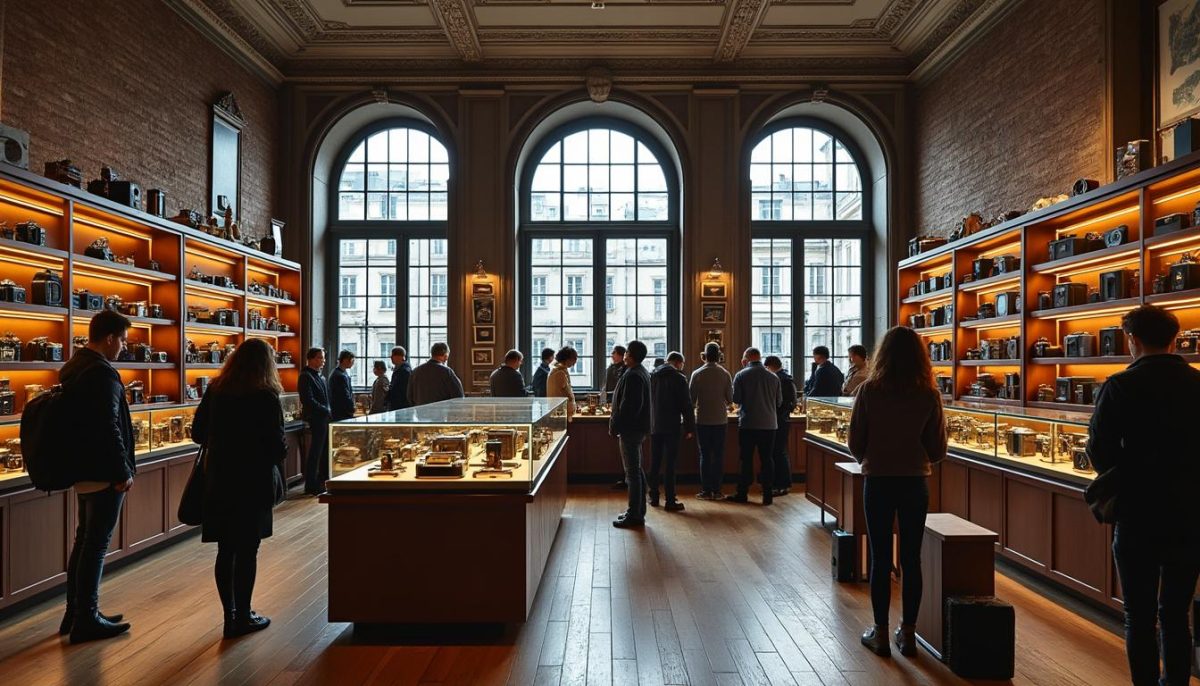
The 99 Cameras Museum hosts a diverse collection that spans over a century. Visitors are greeted with models that evoke nostalgia and curiosity. Imagine wandering through rows of meticulously curated cameras, each embodying different eras and technologies. From vintage gems like Leicas and Hasselblads to rare wartime relics, the museum presents an unparalleled narrative of photographic advancement.
One of the museum’s greatest delights is its unique presentation style. Unlike conventional museums where objects are largely displayed behind glass, the 99 Cameras engages visitors through tactile storytelling. Here, you can admire the wear and tear on each camera, pondering the lives they’ve captured. Imagine a simple boxy model once nestled beneath an uncle’s bed, now illuminated for all to see—an ordinary object transformed into a historical artifact.
Many displays provide background information on how each camera influenced film and journalism or contributed to the art of studio portraiture, including models actually used in Studio Harcourt itself. This layering of context elevates the experience from passive observation to active engagement with the past.
| Camera Model | Era | Significance |
|---|---|---|
| Leica I | 1925 | First compact 35mm camera, influential in modern photography. |
| Hasselblad 500C | 1957 | Iconic medium format camera, favored by professional photographers. |
| Canon AE-1 | 1976 | First camera with a microprocessor, significant in the consumer boom. |
This exceptional collection not only highlights technological advancements but also connects with broader narratives about culture, identity, and expression through the lens. As we explore the evolution of these tools, we uncover how they reflect the changing landscapes of society and documented moments that defined generations.
Experiences for Photography Lovers and Curious Visitors
Even though the 99 Cameras Museum isn’t vast, it offers an inviting and engaging atmosphere. The layout encourages visitors to move at their own pace, with ample opportunities to linger over items of particular interest. Whether you are a dedicated photography enthusiast or a casual visitor drawn by curiosity, the museum’s charm lies in its approachability.
The museum frequently showcases themed exhibits, many in collaboration with Studio Harcourt. These exhibitions deliver a mix of nostalgia and modern relevance as they celebrate the enduring power of photography. For photographers, this setting feels like paradise. Special events often feature vintage portraits alongside discussions revolving around captured memories and artistic expressions.
Moreover, the museum breaks the mold by not requiring any admission fee. Visitors can simply walk in without pre-booking, offering a stress-free experience to soak in the ambiance. This accessibility stands in contrast to many museums that charge high entrance fees or require extensive pre-planning. The 99 Cameras Museum embraces a welcoming philosophy, inviting everyone to appreciate the multifaceted world of photography without financial barriers.
The atmosphere offers not just an exploration of cameras but also a space for connections. Whether you’re enjoying a quiet moment with a camera that embodies a rich history or engaging in a conversation with fellow visitors about your passion for photography, the museum fosters a community spirit. It’s a place where stories mingle, where you can reflect on the universal themes captured through snapshots in time.
Reasons to Include the 99 Cameras Museum in Your Paris Itinerary
Including the 99 Cameras Museum on your Paris itinerary is a decision grounded in a pursuit of discovery and delight. Its charm lies in its uniqueness. Unlike the grandiosity of museums like the Louvre, this space offers an intimate setting that respects both the visitor’s curiosity and their budget. Furthermore, the museum caters to everyone—those who are familiar with the intricacies of photography and those whose knowledge may only extend to their smartphone.
Moreover, its central location makes it an ideal stop between visits to other renowned sites. For travelers who have seen iconic landmarks, this hidden gem provides a refreshing change of pace—a chance to connect with a softer, more personal side of Paris. For locals, the museum serves as a gentle reminder that innovation often sprouts in the most unassuming places.
In the era where digitalization rules, the museum prioritizes the tactile experience over digital encounters. Each camera resonated with stories of personal triumphs and transformations. Stepping inside, you enter a realm that speaks against the possibility of forgetting the simple joy that analog photography once provided.
A Museum with a Personality and Personal Touch
The heart of the 99 Cameras Museum is its personal touch. It seems less like a commercial institution and more like a curated collection of passion—each camera, each artifact brimming with character. Visitors can appreciate the simplicity of experiencing history without flashy displays or impersonal technology. Instead, the collection invites guests to connect with the past on a personal level.
As you explore, the museum captures what it once was to hold a camera in your hands and anticipate the results of your shots. Here, the significance stems not from the sheer value of the items but from their resonance with life itself—each scratch and dent telling tales of adventures, loves, and dreams encapsulated through the lens.
In the midst of a fast-paced digital world, the museum stands out by fostering slow engagement. Each visit encourages contemplation—not just of the cameras but of the art of photography itself as a vital medium for storytelling. As your journey ends at this hidden gem in Paris, you depart with a heart full of inspiration, eager to explore or perhaps even create your own photographic journey.