In the heart of French gourmet cuisine lies a delicacy that has captivated the palates of both royalty and culinary enthusiasts alike: caviar. This luxurious seafood, often synonymous with refinement, is more than just a culinary indulgence; it represents a rich tapestry of history, technique, and artistry. With its origin dating back centuries, caviar has woven itself into the fabric of fine dining not merely as an accompaniment but as an unparalleled experience that initiates the senses. Today, amidst modern culinary innovations and ecological challenges, caviar holds a unique place, inviting food lovers to explore its complex flavors and sumptuous textures.
Recently, the landscape of caviar production has shifted dramatically. With the decline of wild sturgeon populations resulting in legal restrictions on imports, France has taken a formidable stance towards self-sufficiency in this sector. French producers, including long-established names such as Maison Prunier, have pioneered sustainable caviar farming methods, ensuring that this regal delicacy remains available while also preserving the sturgeon species. For avid gourmet enthusiasts eager to explore what French caviar has to offer, the abundance of artisanship, meticulous farming techniques, and the overall reverence for the craft has never been more pronounced.
Understanding the Exquisite Tastes of Caviar
Caviar, often referred to as the “black gold,” features a spectrum of flavors and textures that can vary significantly based on its source and method of preparation. The roe, typically harvested from different sturgeon species such as Beluga, Osetra, and Sevruga, each presents a distinctive profile influenced by the fish’s diet, habitat, and the meticulous handling process involved in its production.
Flavor Profiles and Pairings
When tasting caviar, discerning the nuanced flavors becomes an engaging task. Beluga caviar, often hailed for its delicate taste and buttery texture, offers a creamy richness that pairs splendidly with a glass of Champagne. Conversely, the firmer and slightly nuttier Osetra caviar invites a more robust pairing with dry white wines or even spirits like vodka, heightening the sensory experience during fine dining.
At notable establishments throughout Paris, such as Café Prunier, a journey through various caviar tastings reveals a depth of flavors that surprises many. During tastings, experts often suggest using the back of the hand for a pure experience; this method allows the unique textures and flavors to linger on the palate. The subtleties often reveal smoky notes and a silky finish, a far cry from the common perception of caviar being merely salty.
Techniques in Caviar Production
The sophistication of caviar lies not just in its taste, but also in the intricate techniques used during its production. At Maison Prunier, for instance, the process begins well before the roe is harvested. The sturgeon are raised in controlled environments where their health and diet are meticulously monitored. After two years, a careful selection process determines which fish are female, leading to an additional six years of specialized care before they yield their precious eggs.
This commitment to quality underscores why authentic French caviar is considered a culinary jewel. Some gourmets even compare the experience of savoring caviar to the appreciation of fine art—every detail matters, from the method of tasting to the companions served alongside it. The involvement of a fish obstetrician, a term that reflects the seriousness of their care, illustrates just how passionate producers are about this delicate process.
The Role of Caviar in Fine Dining
In the realm of fine dining, caviar fulfills various roles, elevating dishes and enriching culinary narratives. Its application transcends being a mere side note; it’s often the centerpiece in gourmet creations that highlight its luxurious nature. Restaurants across France craft innovative recipes that fuse traditional French methods with modern culinary techniques, creating an environment where caviar shines.
Classic and Contemporary Dishes
From classic canapés to intricate plated dishes, the versatile use of caviar in French gastronomy is noteworthy. One creative dish might involve a caviar-infused crème fraîche topped on delicate blinis, allowing the rich flavors to emerge harmoniously. On the other hand, modern chefs might incorporate caviar into unexpected pairings, such as layering it atop an artichoke soufflé, creating a unique marriage of flavors that excites the palate.
Even in desserts, innovative minds have begun to pair caviar with sweet elements, like chocolate or fruit. This avant-garde approach divides traditionalists and modernists alike but undeniably sparks discussions about the endless possibilities of gastronomic creativity. Restaurants such as Eiffel Tower Dining showcase how caviar can elevate meal experiences, combining views of the city with exquisite culinary presentations.
Cultural Significance and Dining Etiquette
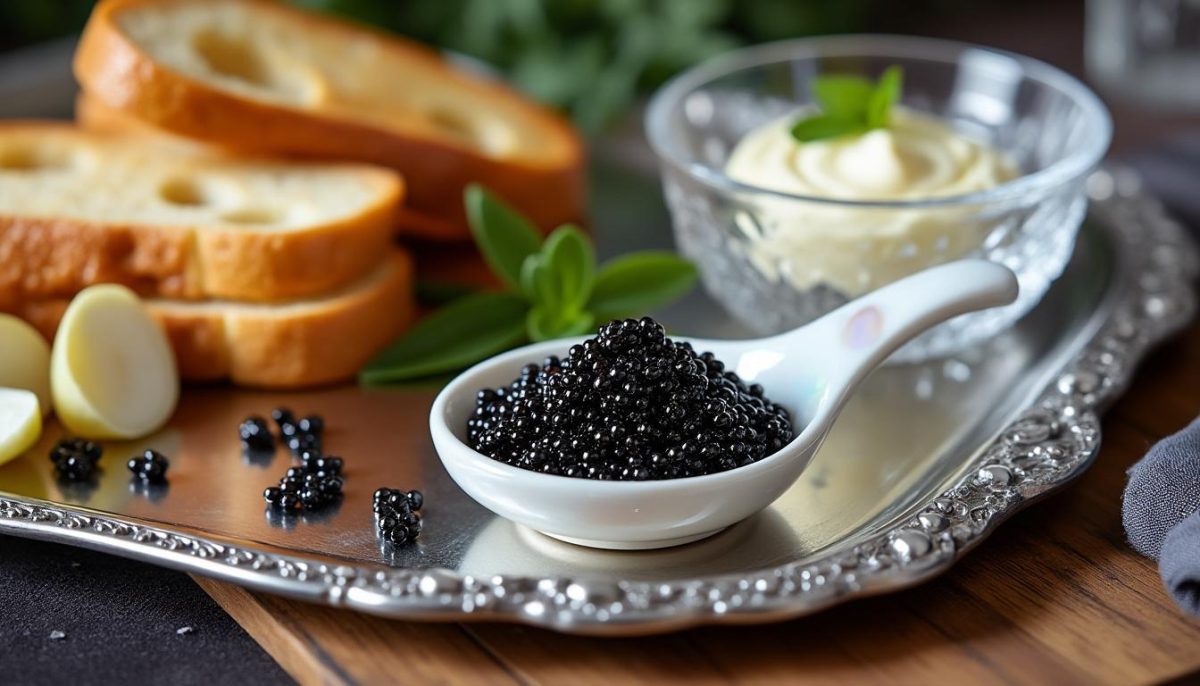
The cultural significance of caviar extends beyond its flavor; it embodies a legacy of luxury, exclusivity, and celebration within fine dining. Traditionally, the presentation of caviar comes with specific etiquette—from how it’s served to the types of utensils used. For example, it’s considered paramount to serve caviar with mother-of-pearl spoons to avoid altering its delicate flavors. Understanding these nuances elevates one’s dining experience and showcases respect for this exquisite delicacy.
Sustainable Practices and the Future of Caviar
As the luxury food market evolves, caviar production faces environmental pressures that necessitate sustainable practices. The shift away from wild caviar has prompted producers to embrace sustainable farming methods that not only preserve sturgeon populations but also ensure the premium quality of the product. In 2026, many French caviar producers have started integrating advanced aquaculture techniques, allowing them to meet both ethical considerations and growing consumer demand.
Innovations in Aquaculture
Various French farms are harnessing technology to improve farming practices, incorporating biosecurity measures and creating optimal living conditions for sturgeon. These innovations help in producing high-quality caviar while minimizing environmental impacts; thus further enhancing the reputation of French gourmet offerings. Techniques such as recirculating aquaculture systems (RAS) contribute to healthier fish and more sustainable yields, ultimately benefiting the culinary landscape.
This intersection of luxury food and sustainability offers consumers a chance to indulge responsibly. By supporting local producers committed to sustainable practices, diners can relish exquisite caviar while also advocating for environmental stewardship. Not only does this cultivate a rich appreciation for the product, but it also helps preserve the delicate ecosystems these finned wonders rely on.
The Future Outlook for Caviar
Looking ahead, the future of caviar appears bright with a renewed focus on sustainability paired with innovative culinary practices. As more chefs get involved in the conversation around responsible sourcing, the culinary landscape continues to evolve. With a growing interest in local sourcing and sustainable gastronomy, the luxurious allure of caviar will likely remain a vibrant thread within French cuisine.
Experiencing Caviar Beyond the Plate
The appreciation for caviar extends beyond simply tasting it; it encapsulates a fuller experience that ranges from educational tours to themed gourmet events. For example, several establishments offer sensory workshops that explore the nuances of caviar, delving into its origins, flavor profiles, and pairing possibilities. These interactions contribute to a broader understanding of this culinary jewel, fostering a deeper connection to its luxurious heritage.
Workshops and Tasting Events
Several renowned locations in Paris now host exclusive caviar tasting events, where guests can explore the various facets of this delicacy. Workshops often feature interactive sessions revolving around the history, harvesting techniques, and pairing recommendations. Food enthusiasts gain a comprehensive perspective on not just how to savor caviar, but also why it has earned its place in the pantheon of French gourmet delights.
Such experiences also provide a rich opportunity for connection, bringing together those who share a passion for fine dining and culinary exploration. Events at restaurants like Café Prunier often draw a crowd eager to deepen their appreciation for this luxurious food, highlighting the importance of community in tasting and celebrating gourmet delicacies.
| Caviar Type | Taste Profile | Ideal Pairings | Origin |
|---|---|---|---|
| Beluga | Delicate, creamy | Champagne, vodka | Black Sea |
| Osetra | Nutty, firm | Dry white wine | Caspian Sea |
| Sevruga | Salty, bold | Vodka, ginger ale | Caspian Sea |