The Centre Pompidou in Paris is not merely a museum; it is a testament to the avant-garde spirit of modern art and architecture. Since its opening in 1977, it has turned heads with its radical design, showcasing a bold approach that places mechanical systems outside of the building. As the largest collection of modern and contemporary art in Europe, housing over 120,000 artworks from renowned masters like Picasso, Kandinsky, and Warhol, it is a vibrant hub of culture in the heart of the city. However, it stands at a pivotal juncture, facing a massive renovation that will close its doors from 2025 to 2030. This ambitious project promises to update the structure while preserving its unique architectural ethos, promising a transformative future for both the building and the artistic community it supports.
The Architectural Revolution of the Centre Pompidou
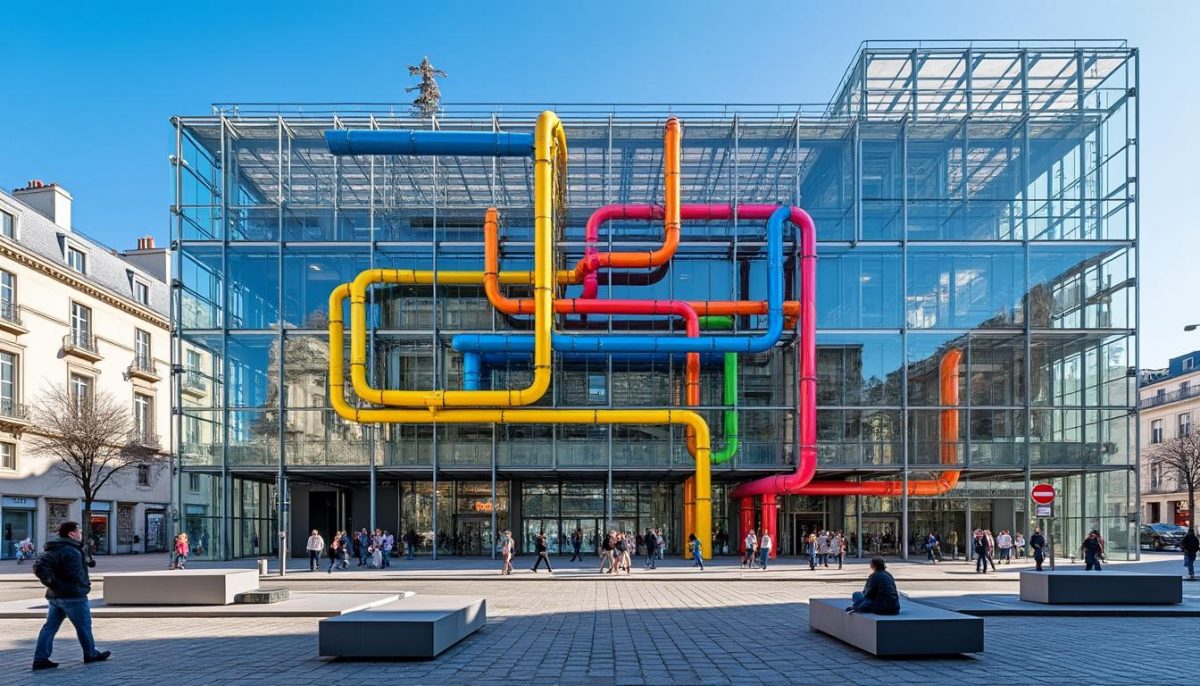
The Centre Pompidou’s design is often perceived as an architectural revolution. Conceived by the architects Renzo Piano and Richard Rogers, it flouted traditional architectural conventions. The exposed pipes, ducts, and elevators create an industrial aesthetic that challenges the norms of what a museum can be. Stepping into this space invites a visceral experience, as visitors are confronted with the building’s mechanical heart displayed prominently against the vibrant Parisian backdrop.
This design chase not only aesthetic appeal but also functional benefits. The open space allows for versatile exhibition setups and large gatherings — features particularly important for a museum that strives to engage the public. The Centre Pompidou has become a canvas for contemporary art presentations, where the interplay between architecture and art enhances the viewer’s experience. Furthermore, the transparent design promotes a sense of community, inviting passersby to glimpse the world of art within, cementing the centre as a cultural touchstone in Paris.
The Role of Georges Pompidou
The vision behind the Centre Pompidou is intrinsically linked to former French President Georges Pompidou, who believed in the need for a central space that celebrated modern culture. During his presidency from 1962 to 1974, Pompidou emphasized culture as a vehicle for societal progress. Thus, when he commissioned the Centre, it was with the intent to foster an appreciation for modern art among the broader public, breaking the barriers that often enclose such institutions.
Unlike many cultural edifices that pay homage to the past, the Centre Pompidou was designed to be contemporary and forward-thinking. Pompidou’s decision to demolish parts of the historic Marais district to make way for the museum sparked controversy and debate. Yet, this bold act underscored a commitment to innovation and a belief that cultural landmarks should reflect the vibrancy of the present, rather than simply preserve the past.
Turning Point: Renovation Plans and Future Aspirations
As we approach the timeline of 2025, anticipation builds around the planned renovation of the Centre Pompidou. This significant undertaking is estimated to cost nearly €500 million and aims to address various structural issues that have emerged over the decades. The decision to undertake extensive renovations just two decades after its last major update emphasizes the museum’s dedication to maintaining both safety and artistic integrity.
The renovation promises to enhance accessibility, ensuring that all visitors can fully experience the offerings of the Centre. Enhancements will likely include modernized facilities, improved signage, and broader outreach programs designed to better serve a diverse audience. Moreover, sustainability will be a focal point during the renovations, aligning not just with contemporary guidelines but also reinforcing the Centre Pompidou’s role as a leader in cultural innovation.
Cultural Impact During the Closure
During its five-year closure, the spirit of the Centre Pompidou will not be extinguished. The museum plans to circulate its significant collection through temporary exhibitions across France and internationally. Locations such as Metz and other venues within Paris will host curated selections, ensuring that the treasures of modern art continue to inspire and engage audiences even as the main structure undergoes transformation.
This approach allows the Centre Pompidou to maintain its cultural relevance, reinforcing the idea that art should be a living experience rather than a static display confined to four walls. By integrating its collections into different contexts, the Centre Pompidou also prompts discussion about how art interacts with urban settings, space, and community.
Exploring the Art Collection: A Diverse Tapestry
The allure of the Centre Pompidou lies in its unparalleled collection, which embodies the essence of modern and contemporary art. Encompassing over 60,000 works, the museum’s offerings range from well-known names to emerging artists, creating a dynamic environment that constantly evolves. This is not merely a collection; it is a narrative that unfolds, tracing the evolution of artistic movements over the last century.
Upon walking through the museum, visitors encounter diverse artistic expressions, from Cubism and Surrealism to Pop Art. The museum takes pride in showcasing not just the legends, but also presenting the works of lesser-known artists who contribute to the collective dialogue of contemporary art. This commitment to inclusivity is vital for fostering a new generation of artists and art lovers alike.
| Art Movement | Featured Artists | Notable Works |
|---|---|---|
| Cubism | Pablo Picasso, Georges Braque | Les Demoiselles d’Avignon |
| Surrealism | Salvador Dalí, René Magritte | The Persistence of Memory |
| Pop Art | Andy Warhol, Roy Lichtenstein | Campbell’s Soup Cans |
| Abstract Expressionism | Jackson Pollock, Mark Rothko | No. 5, 1948 |
Engaging the Community through Art
The Centre Pompidou’s philosophy extends beyond the confines of displayed art; it actively engages the community through various cultural programs. Workshops, lectures, and performances allow for interactive experiences that deepen the understanding of art among the public. This commitment to community engagement ensures that art remains accessible and stimulating, forging meaningful connections between artists and audiences.
Moreover, initiatives aimed at children and young adults are instrumental in cultivating a love for modern art from an early age. Interactions with contemporary mediums, from installations to digital art, form a critical part of these educational programs, ensuring that the legacy of innovation continues. The Pompidou Centre, with its rich history and ambitious future plans, embodies the vital role of art in illuminating and enriching the human experience.