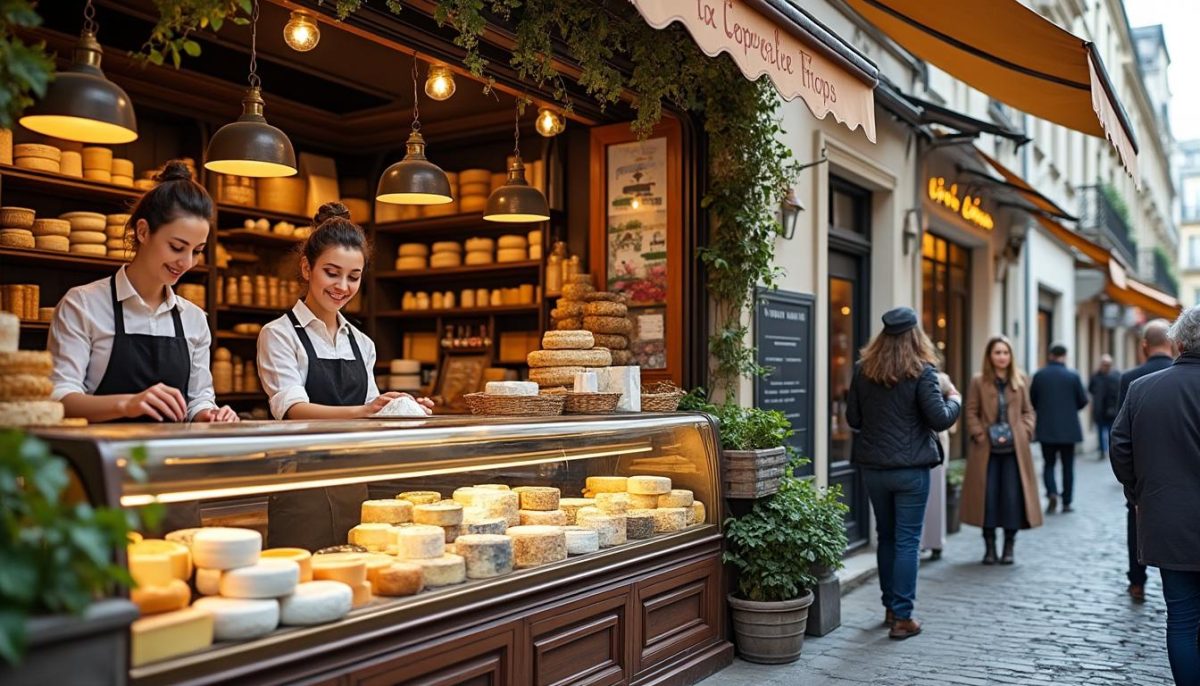
When wandering through the charming streets of Paris, you may find yourself drawn to the brightly lit fromageries that seem to showcase an entire universe of flavors and textures. Each shop is a treasure trove, boasting an array of cheeses that can spark curiosity and perhaps a bit of trepidation if you’re unfamiliar with the art of cheese selection. From delicate brie to robust Roquefort, the world of cheese can seem daunting. Yet, fear not! Diving into this culinary adventure can be a delightful experience. With the right guidance, you can easily navigate through this dairy wonderland, discovering how to pair and taste the rich offerings of French cheese culture like a true aficionado.
In the heart of the bustling fromageries, a cheesemonger—often a trove of wisdom—stands ready to assist you. However, many people feel overwhelmed in these small, intimate spaces, unsure of what to ask or how to appreciate the cheeses before them. That’s where educational experiences, like those offered by Le Cheese Geek, come into play. From what to look for in flavor and smell, to understanding the ideal pairing with wine or bread, a cheese tasting session can transform your perspective and enhance your culinary appreciation. As you get ready for your journey into the nuances of French cheese, remember, knowledge and confidence are your best companions.
Understanding the Types of French Cheese
The dazzling variety of French cheese is reflected in its classification, with over 1,600 different kinds to choose from. Each cheese embodies the unique terroir of its region, emphasizing the art of cheesemaking. French cheese is generally categorized into eight distinct types based on texture and milk type. These categories include fresh cheeses, soft cheeses, semi-soft cheeses, hard cheeses, blue cheeses, and more.
Fresh Cheeses
Fresh cheeses, such as *chèvre* and *ricotta*, offer a mild and creamy flavor, making them perfect for salads or light dishes. They are typically made from unaged curds, often containing high moisture content. Pairing these fresh delights with a drizzle of honey or fresh fruits elevates their flavor profile.
Soft Cheeses
Examples like *brie* and *camembert* fall within this category. Their rich, buttery texture and creamy rind are delightful companions to a crusty baguette or a glass of sparkling wine. These cheeses embody the essence of refined French dairy craftsmanship.
Semi-Hard and Hard Cheeses
Taking a step into cheeses such as *comté* and *emmental*, this category captivates the palate with its firmer density and complex flavors resulting from longer aging processes. They are often used in cooking or paired with hearty meals, enhancing the dishes with their more pronounced taste.
Blue Cheeses
*Roquefort* and *bleu d’Auvergne* are iconic representatives of blue cheeses, recognized for their bold, tangy flavors and distinctive mold patterns. Ideal for dressings or simply served on a cheese platter, these cheeses wow enthusiasts with their strong characters.
| Type of Cheese | Examples | Pairings |
|---|---|---|
| Fresh | Chèvre, Ricotta | Honey, Fruits |
| Soft | Brie, Camembert | Baguette, Sparkling Wine |
| Semi-Hard | Comté, Emmental | Hearty Meals |
| Hard | Parmigiano-Reggiano | Grated over Pasta |
| Blue | Roquefort, Bleu d’Auvergne | Dressings, Platter |
This classification system not only showcases the diversity of French cheese but also assists cheese enthusiasts in making informed selections when visiting a fromagerie. Engaging in the various textures and flavors can offer a deeper appreciation of artisanal cheesemaking. Once you grasp these classifications, the once-daunting journey through a cheese shop becomes invigorating and enlightening.
The Journey of Cheesemaking and Aging
Cheesemaking is both an art and a science, blending tradition with innovation. The process begins with the careful selection of milk—whether cow, goat, or sheep—which ultimately affects the final product. The intricate steps of fermentation and curdling transform basic ingredients into a rich tapestry of flavors and textures. Each region in France presents its own variations of this age-old practice, often passed down through generations, resulting in the unique characteristics of every cheese.
Fermentation: The Catalyst for Flavor
Fermentation is arguably the most critical phase in cheese production. During this process, bacteria and molds interact with lactose to create lactic acid, which enhances flavors and contributes to the cheese’s texture. Knowledge about which cultures to use is essential to producing a desired flavor profile, and local cheesemakers often take immense pride in their specific strains. This unique diversity leads to regional specialties, helping to create an enchanting tapestry of French cheese offerings.
Being Aged: A Hospital for Flavor Development
Aging, or affinage, is where the magic truly happens. Depending on several factors such as humidity and temperature, cheese can age anywhere from weeks to years. The aging process allows flavors to develop, intensifying the complexity while altering textures, yielding everything from creamy to crumbly. Some artisan cheesemakers utilize specific aging caves, preserving the ideal environment for particular cheeses, cultivating a sanctuary where divine flavors evolve.
The Art of Tasting and Pairing French Cheese
Understanding how to enjoy cheese extends beyond simple consumption; it involves a sensory experience combining taste, smell, and texture. A tasting session at places like Le Cheese Geek can enhance your appreciation for this culinary wonder.
Sensory Experience
When tasting cheese, consider engaging all your senses. Observe the color and texture, smelling the rich aroma before finally savoring the flavor. This multi-sensory engagement provides a holistic experience that can reveal the subtle nuances in each cheese. Getting to know how the paste—soft, firm, or crumbly—affects the mouthfeel contributes to a richer understanding of what you are tasting.
Pairing Cheese with Wine and More
Pairing is both an art form and a culinary dance. White wines often complement lighter cheeses like chèvre, while full-bodied reds shine with age-old flavors of hard cheeses. Additionally, cheeses can be paired with fruits, charcuterie, or even local breads to enhance flavors and create delectable combinations. A good rule of thumb is to match the cheese’s intensity with the accompanying flavors, balancing the taste experience.
With newfound confidence from cheese tastings, embarking on a cheese shopping spree in Paris will feel less intimidating and more exciting. You’ll find that each cheese visit offers a unique narrative, woven through tradition, craftsmanship, and flavor. Getting to know the intricacies of French cheese can turn you into a true connoisseur, armed with the knowledge and experience to craft the perfect cheese platter.