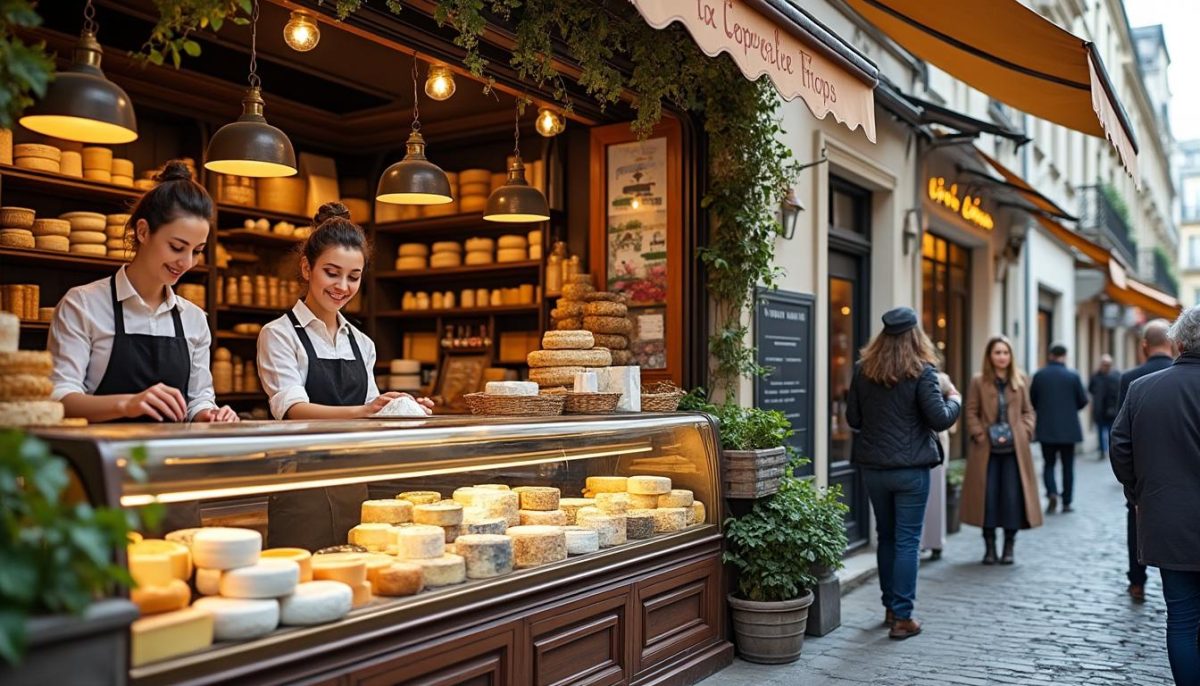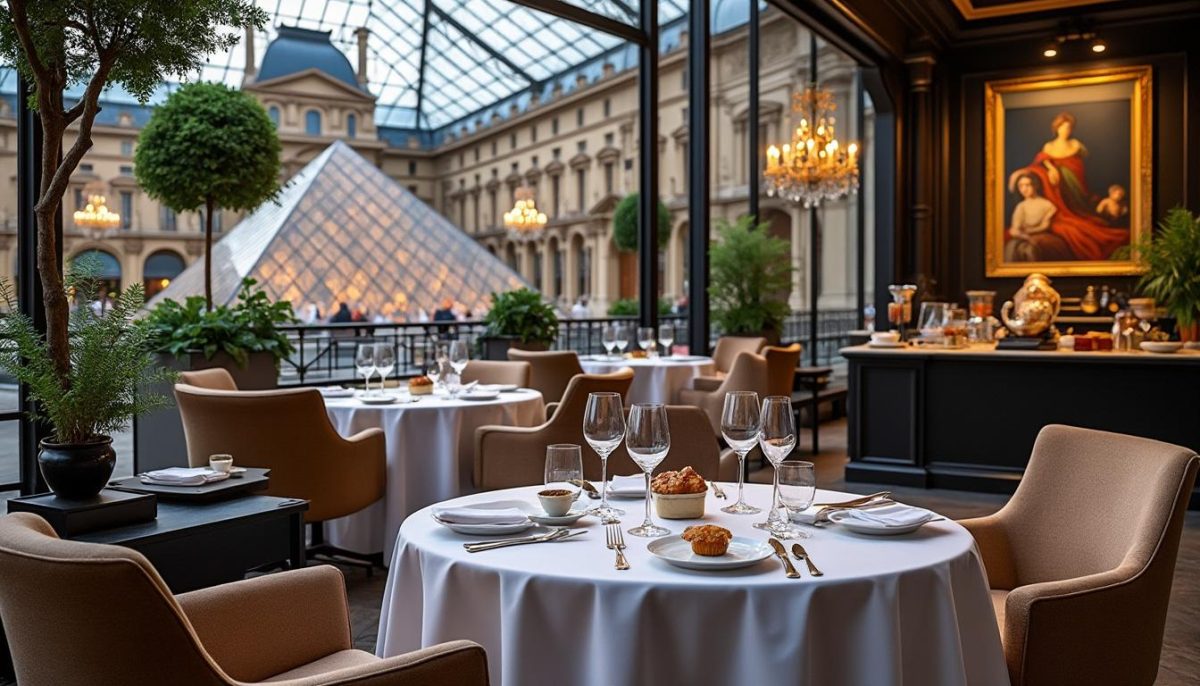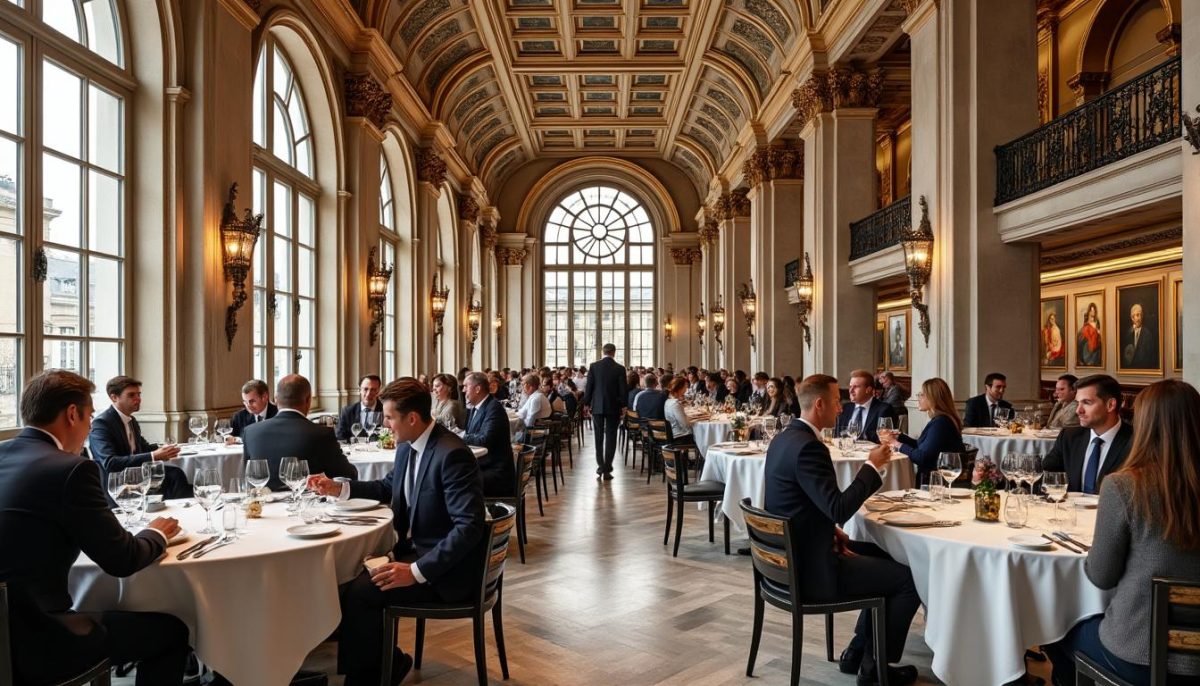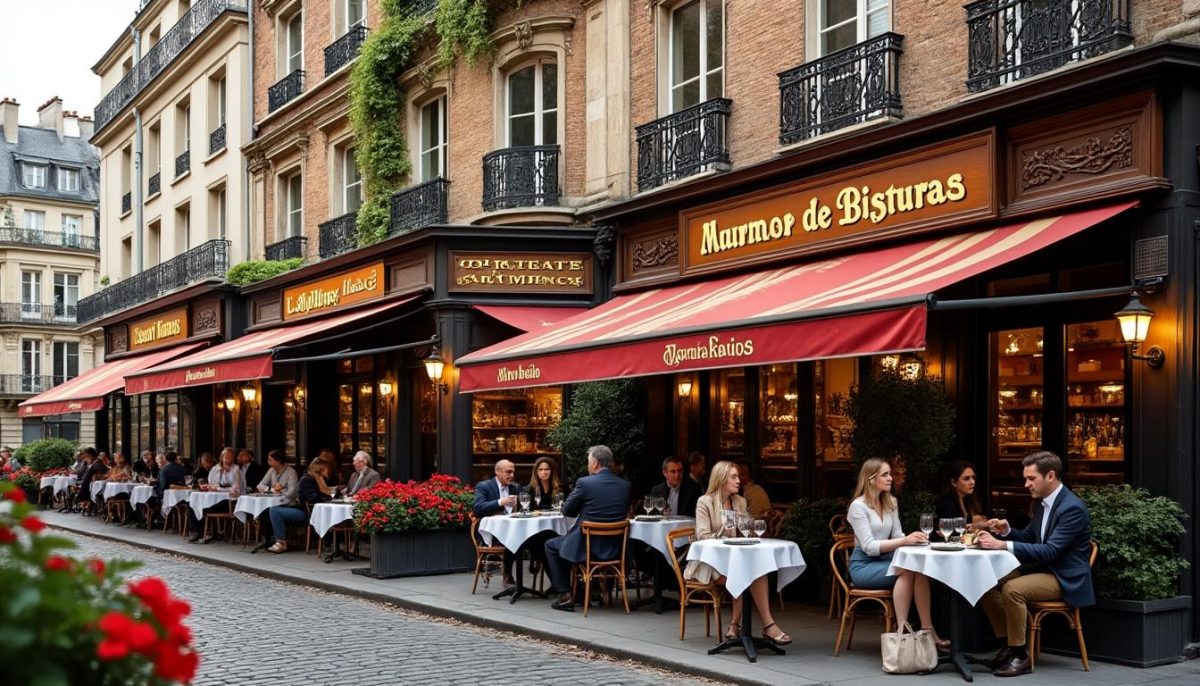
Paris, with its enchanting streets and hidden gems, boasts a culinary scene that reflects its rich culture and history. The 7th Arrondissement stands out as a vibrant locale filled with iconic landmarks such as the Eiffel Tower, Musée d’Orsay, and Les Invalides. However, beyond these magnificent sights lies a delightful world of classic bistros where the essence of French cuisine truly comes alive. As you wander through this arrondissement, you begin to feel that the charm of Paris is not solely in its views and monuments, but also within the cozy embrace of its traditional eateries. Here, diners find themselves not just enjoying meals, but partaking in a genuine culinary experience that has stood the test of time.
One can argue that the bistro culture in Paris encompasses more than just food; it captures a way of life that treasures the art of savoring every moment. Each bistro tells a story, drawing locals and tourists alike into its narrative woven with history, gastronomy, and community. From the casual modulations of conversation over a meal to the serene experience of people-watching from a terrace, dining in the 7th Arrondissement embodies this essence. You might come for the renowned classics like duck confit and escargots, but you stay for the ambiance and the unpretentious charm that brings Parisian dining to life. Together, this masterpiece of culture and cuisine invites you to discover its treasures one bistro at a time.
The Heart of the 7th: A Culinary Overview
In the heart of Paris, the 7th Arrondissement is not merely a collection of streets; it is a lively canvas painted with flavors of traditional French cuisine. This area is a testament to the enduring legacy of bistros, cherished by both locals and travelers. These venues serve as cultural hubs where stories are exchanged alongside dishes that have been perfected over generations. Each bistro offers a reflection of its owner’s passion and culinary philosophy, making every meal an experience that is unique yet profoundly Parisian.
Visitors will find that the culinary landscape in the 7th is peppered with both well-established bistros and hidden gems, each with its own character. For example, Au Pied de Fouet has gained a loyal following thanks to its simple yet exquisite offerings. Signature dishes such as lentil salad and rillette d’oie invite guests to indulge in the authenticity of traditional French fare. The setting of this bistro, adorned with red-and-white checked tablecloths and nostalgic knickknacks, provides an affectionate nod to the Parisian spirit, enhancing the dining experience.
Moreover, this arrondissement is known for its strategic location, making it an ideal stop after a day of visiting museums or sauntering near the Seine River. Visitors can seamlessly transition from savoring world-class art to indulging in classic gastronomic delights, all while absorbing the essence of bistro culture. The cozy atmosphere of establishments like Au Babylone, with its lovingly prepared home-style meals, makes it a favorite among shoppers from nearby boutiques, embodying the blend of daily life and culinary art. Truly, the 7th Arrondissement champions a way of dining that transcends mere sustenance; it celebrates a lifestyle deeply rooted in tradition.
Exploring Timeless Classics: Eight Essential Bistros
As you delve deeper into this gastronomic journey, you’ll uncover eight bistros that epitomize the timeless charm of the 7th Arrondissement. Each establishment not only serves delicious dishes but also exudes a warmth that captivates the hearts of many. These bistros are more than just eateries; they are steeped in history and reflect the essence of authentic Parisian life.
| Bistro Name | Address | Menu Highlights |
|---|---|---|
| Au Pied de Fouet | 45 Rue de Babylone | Lentil salad, rillette d’oie, chocolate fondant |
| Au Babylone | 13 Rue de Babylone | Leg of lamb, veal blanquette, seasonal fruit crumbles |
| Le Bistrot de Paris | 33 rue de Lille | Escargots, endive salad, buttery herring |
| Le Café du Marché | 38 Rue Cler | Duck confit, crispy roast chicken, moelleux au chocolat |
| Le Petite Chaise | 36-38 Rue de Grenelle | French onion soup, pot au feu |
| Fontaine de Mars | 129 Rue Saint-Dominique | Duck confit, tourtière, gratin dauphinois |
| Le Petit Cler | 29 Rue Cler | Stuffed tomatoes, tartines, roast chicken |
| Au Bon Accueil | 14 Rue de Monttessuy | Sole meunière, homemade desserts |
The allure of bistros like Le Bistrot de Paris, with its stunning Art Nouveau features, not only brings culture to the plate but also decorates the dining area with rich history. For instance, this venue’s classic dishes, such as escargots and warm herring, evoke the nostalgia of days gone by while remaining incredibly relevant in today’s dining scene. Each visit to these timeless bistros reveals stories of culinary traditions that have been lovingly preserved, offering guests a glimpse into the very soul of French gastronomy.
More Than Just Meals: The Experience of Dining
Dining in the 7th Arrondissement extends beyond simply enjoying a meal. It is about engaging with the Parisian lifestyle and immersing oneself in the vibrant culture that surrounds these bistros. At venues like Le Café du Marché, where you may find locals sharing laughter over a hearty duck confit, the atmosphere is alive with joy. The blend of good food and companionship makes every visit memorable.
In this district, the culinary experience is intertwined with the architecture and ambiance. Imagine savoring a dish of creamy fondant au chocolat at Au Pied de Fouet, seated amidst a casually charming decor that transports you back in time. Here, every ingredient and every setting is a reminder of Paris’s rich history and the culinary innovations that have taken place in these intimate spaces.
Moreover, the art of people-watching is never as delightful as it is while seated in one of the many terraces lining Rue Cler. Unlike more formal dining settings, bistros invite interactions, engaging conversations, and fortifying connections with fellow diners. It is not uncommon to strike up a conversation with adjacent tables, learning of their journeys and explorations in the city. The shared experience of indulging in classic dishes only amplifies the warmth that is a hallmark of dining in Paris.
Unearthing Hidden Gems
While the well-known bistros attract sizable crowds, there lay hidden gems waiting to be uncovered throughout the 7th Arrondissement. Le Petit Cler serves as an excellent example, known for its simple yet delightful dishes highlighting the freshness of ingredients. With a menu featuring classic tartines and stuffed tomatoes, this bistro emphasizes the pleasure of comfort food without the fuss.
The journey through the bistros also leads to less celebrated venues like Au Bon Accueil, which underwent a resurgence in reputation due to its exquisite sole meunière. The transformation of such places underscores the adaptability and resilience of Parisian dining. While some bistros stay traditional, others embrace modern culinary trends without losing their roots.
As one explores these culinary landscapes, the idea that food serves as a bridge becomes apparent. Each bistro tells its own story, contributing to the larger narrative of the 7th Arrondissement. Exploring these culinary landscapes allows visitors to witness first-hand the passion and creativity that every chef pours into their dishes. The experience is a journey through history, family recipes, and shared laughter, reminding us that in Paris, dining is as much about connection as it is about flavor.
The Legacy of Bistro Culture in Paris
The lasting legacy of bistro culture in Paris cannot be overstated. It persists not only through the food served but also through the connection it fosters among people. Each meal becomes a shared experience, encapsulating the essence of the city. Gastronomy in the 7th Arrondissement symbolizes harmony among tradition, creativity, and the ever-evolving food landscape that is Paris. Travelers to this area witness a culinary journey infused with artistry and heart.
Additionally, experiencing bistro dining in this historic district is a nod to the past. It allows individuals to appreciate a form of dining that has played a significant role in Paris’s cultural fabric for centuries. The choices made by local chefs to uphold traditional practices while experimenting with modern techniques breathe new life into established classics. Every meal, from the humble pot au feu to the elegant chocolate fondant, tells a story of heritage and evolution.
As we look forward to the future, the emphasis on sustainability and local sourcing continues to play a significant role among these establishments. This is part of a larger movement aimed at respecting traditional practices while embracing innovation. The future of dining in the 7th Arrondissement appears bright, as bistros adapt to changing trends while maintaining their cherished charm.