At the heart of French art, Claude Monet remains a embodiment of the Impressionist movement, captivating audiences with his vivid depictions of nature, light, and color. His masterpieces, particularly those housed in the renowned Musée d’Orsay, are not merely paintings; they are portals into the vibrant world of the late 19th century. The museum, which once served as a railway station, now stands as a sanctuary for his artistry, showcasing a collection that tells the story of his life, struggles, and artistic evolution. Among the works displayed, Monet’s Water Lilies series is perhaps the most beloved, representing tranquility and the fleeting beauty of nature. As we explore the layers of his art, we discover not just the visuals, but the emotions and experiences that birthed masterpieces that are nothing short of revolutionary.
Understanding Impressionism Through Claude Monet’s Lens
To truly appreciate Claude Monet, one must first grasp the essence of Impressionism. This art movement emerged in the late 19th century as a direct response to traditional methods that emphasized realism. Instead of creating detailed and polished artworks, Impressionists aimed to capture the momentary effects of light and color on subjects, often painting en plein air, or outdoors, to make their art a reflection of the living world. Monet was not only a founding figure of this movement but also its most active promoter.
Monet’s development of this innovative painting style can be traced back to his early years. Born in 1840, he grew up in a Paris that was rapidly modernizing. His encounters with the artistic environment, especially at the Le Havre Secondary School of the Arts and later in Paris, shaped his vision. Here, he met fellow artists like Édouard Manet and Pierre-Auguste Renoir, creating a community that championed this new approach to art. Together, they distanced themselves from the traditional art exhibitions and faced harsh critiques for their experimental styles.
Monet’s iconic style is characterized by his loose brushwork and an extraordinary ability to manipulate color. His masterpieces showcase how light interacts with various subjects, from gardens to cityscapes. One notable example is the painting ‘Impression, Sunrise’, which served as the namesake for the entire movement. This work encapsulates the movement’s philosophy: the pursuit of perception and moment rather than conventional realism. Through Monet, viewers not only witness vibrant landscapes but also experience the emotion behind capturing nature in its transient beauty.
Key Masterpieces of Monet at the Musée d’Orsay
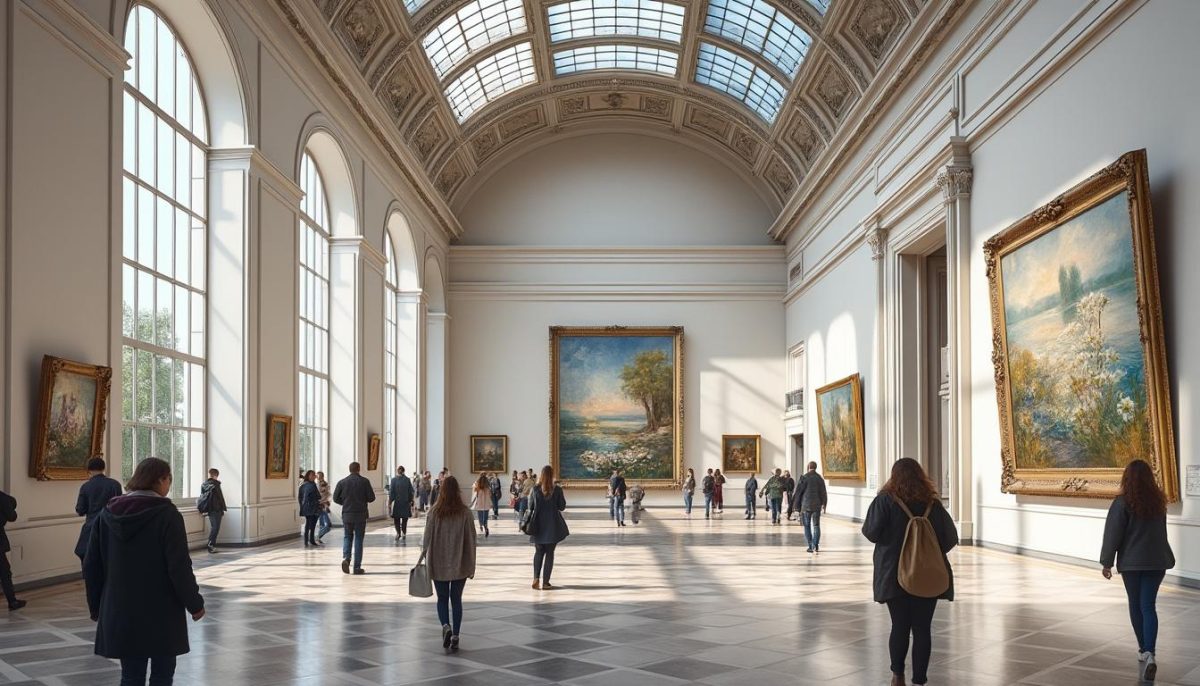
As visitors step into the Musée d’Orsay, they are greeted by a treasure trove of Monet’s artwork. This museum is often regarded as the most important venue to explore his legacy, housing multiple pivotal pieces that span various phases of his career. From the tranquility of his garden scenes to the vibrancy of urban landscapes, each painting tells a unique story.
One of the highlights, ‘Nymphéas Bleus’ (Water Lilies), painted between 1916 and 1919, reflects Monet’s evolving style. Far from merely representing a pond, this piece immerses viewers in an ethereal space without a visible horizon, portraying the fluidity of water and light. Located in room 34, it beckons contemplation, inviting the audience to lose oneself in its depths.
Another standout is ‘Londres, Le Parlement’ (1900). In this work, the silhouettes of the Parliament buildings emerge through a hazy, orange-tinted fog, capturing the atmospheric effects of light at different times of day. The painting reveals the transitional nature of the cityscape, demonstrating Monet’s ability to evoke emotion through color and form. Gifted to France from Isaac de Camondo’s estate, this masterpiece is a quintessential piece that highlights Monet’s fascination with urban landscapes.
| Painting Title | Year | Location in Musée d’Orsay |
|---|---|---|
| Nymphéas Bleus | 1916-1919 | Room 34 |
| Londres, Le Parlement | 1900 | Room 34 |
| Camille sur Son Lit de Mort | 1879 | Room 32 |
| Gare Saint-Lazare | 1877 | Room 31 |
| Coquelicots | 1873 | Room 29 |
A less known yet poignant piece is ‘Camille sur Son Lit de Mort’ (1879). This deeply personal work marked a turning point in Monet’s life following the death of his wife, Camille. Here, he channels his grief into his art, portraying her in a vulnerable yet serene state. This emotional depth intrigues viewers, encouraging them to explore the personal stories often hidden behind beautiful landscapes. It resides in room 32, reminding visitors of the vulnerabilities that artists face.
The Influence of Nature in Monet’s Work
Nature served as Monet’s primary muse, providing the inspiration for countless masterpieces. His gardens at Giverny, which he cultivated meticulously, became a subject of obsessive dedication and artistic exploration for decades. The serene water lilies in his garden served as the focal point for many works over a span of nearly thirty years. In Monet’s world, every bloom, every light change rendered a unique masterpiece.
What sets Monet apart is his willingness to embrace change and experimentation. For instance, ‘Les Nymphéas’ series not only showcases the beauty of his gardens but also demonstrates his evolving perception of light and color over different times of the day and seasons. This led to an abstract style that perhaps echoed the fluidity of water itself, revealing Monet’s visionary approach.
Moreover, Monet’s relation with nature goes beyond mere representation; it embodies an intrinsic philosophy he considered essential. In a sentiment he expressed, “My greatest masterpiece is my garden.” This connection highlights the artist’s belief that art should mirror the beauty found in the natural world. An exploration of his landscapes unveils this philosophy, enduringly capturing the delicate balance between nature and artistic expression.
Monet’s Legacy in Modern Art
The legacy of Claude Monet extends far beyond his own lifetime. His works laid the foundation for modern art movements, influencing artists who would follow in his footsteps. The freedom with which he experimented with form and color paved the way for future generations to explore abstraction and expressionism. Artists such as Vincent van Gogh, Henri Matisse, and even the contemporary abstract artists owe a significant debt to Monet’s groundbreaking techniques.
Moreover, Monet’s emphasis on personal experience and emotional expression resonates strongly even in today’s art scene. The idea that art does not always have to conform to traditional standards encourages modern artists to explore their own realities and emotions, thus fostering innovation and creativity. Galleries worldwide now recognize the influence of Impressionism, with Monet at its helm, shaping artistic conversations and exhibitions.
The ongoing interest in Impressionism continues to attract scholars and enthusiasts alike, resulting in a deeper understanding of the movement’s impact on the evolution of art. With exhibitions such as ‘Impressionist Masterpieces from the Musée d’Orsay’, emerging artists find both inspiration and a sense of belonging in this storied history. As we reflect on Monet’s profound contributions, we unearth lessons about vision, vulnerability, and the transformative power of nature through art.