In the heart of Paris, on the banks of the Seine, stands a majestic yet somber building that tells the tale of a city steeped in history—the Conciergerie. Once a royal residence and later designated as the most notorious prison in France, its spiked conical towers loom over visitors and evoke a sense of intrigue and awe. This fascinating transformation from a seat of power to a grim symbol of the French Revolution reflects the turbulent evolution of Paris. The Conciergerie is not just a testament to Gothic architecture; it also serves as a portal into the lives of those who once walked its centuries-old halls, including figures like Marie Antoinette and Charlotte Corday, whose stories are interwoven with the fabric of French history.
The architectural elegance of the Conciergerie offers a striking contrast to its dark past. As part of the Palais de la Cité, it showcases hybrid features of medieval history, making it a must-visit tourist attraction for anyone interested in the complexities of Parisian heritage. The intermingling of the royal and the revolutionary in this space invites a deeper exploration of how power dynamics shifted through the ages. Amidst modernity, the historic essence of the Conciergerie continues to capture the imaginations of contemporary visitors, prompting them to reflect on the legacies of those who shaped France’s path to democracy.
The Origins of the Conciergerie: A Royal Residence
The Conciergerie began its journey as a royal residence in the 6th century, initially established by Clovis, the first king of the Franks. This marked the beginning of a significant evolution in the governing structures of France. Clovis chose the Île de la Cité as the locus of early medieval power, which signified not just a physical but also a political centralization in what would become the heart of France. The site remained significant throughout the centuries, particularly as it was used by successive monarchs until the reign of Charles V in the 14th century, when the royal residence was transferred to the Louvre.
What contributed to the naming of the Conciergerie was its custodian—the Concierge, the official responsible for the royal household. When Charles V relocated the power center to the Louvre, the Conciergerie was repurposed into a prison under the supervision of the same official, evidencing a dramatic shift in its usage. This transformation set the stage for the Conciergerie to evolve from a symbol of royalty to one associated with confinement and punishment.
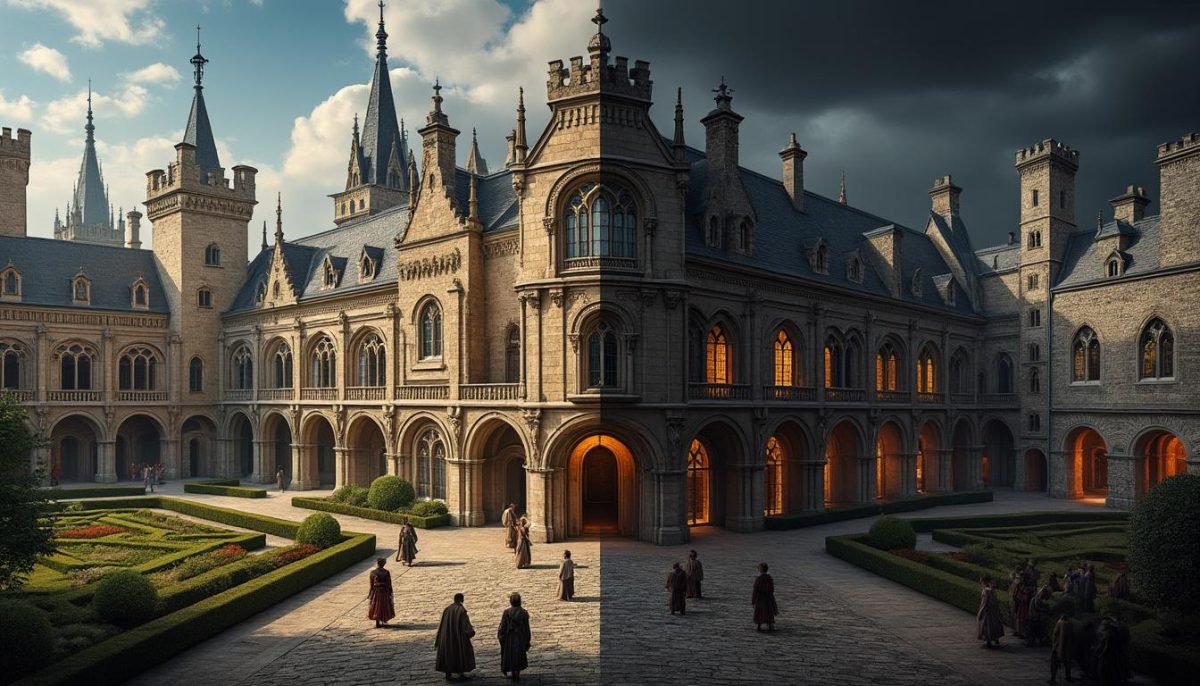
In architectural terms, the Conciergerie’s elements embody a blend of functionality and style typical of Gothic architecture. Its imposing structure reflects the seriousness of its past roles and influences the overall look of the Île de la Cité. Notably, the massive stone walls and vaulted ceilings give a sense of unyielding strength. Gothic features such as pointed arches and ribbed vaults not only add aesthetic appeal but also play practical roles in providing structural integrity to the building.
The Role of the Conciergerie During the French Revolution
The turbulent years of the French Revolution witnessed the Conciergerie take on a new identity, one forever rooted in infamy. By 1789, the building evolved into a central hub for the Revolutionary Tribunal, housing countless “enemies of the revolution.” This period galvanized its reputation as a place of dread and despair; more than 2,500 prisoners ultimately met their end via the guillotine. Icons of this tumultuous time spent their final days within its walls, including the ill-fated queen Marie Antoinette, whose life and death continue to resonate even into modern narratives.
Inside the prison cells, now silent, history lingers. Stories of imprisonment and fleeting hopes for freedom are etched in the very stones, making every corner of the Conciergerie resonate with echoes from a *past riddled with tension*. Visitors today can engage with this haunting history by exploring the preserved cells that housed prominent figures during the revolution. These once-dreaded rooms now act as unwilling storytellers, giving insight into the lives of those who fought, and often fell, during the tumultuous times of political upheaval.
Understanding the Conciergerie’s rise to infamy also requires examining the societal dynamics at play during the revolution. The building mirrored a sweeping societal transformation, where the common populace sought to dismantle the structures of absolute monarchy. It served not merely as a prison but as a powerful symbol of the lengths to which society would go to achieve freedom, making it an essential landmark for those exploring Paris’s revolutionary history.
The Architectural Splendor of the Conciergerie
The Conciergerie is not just noteworthy for its historical significance; its architectural marvel holds its own place in the canon of Gothic architecture. As one of the oldest surviving structures in the Palais de la Cité, it carries a rich tapestry woven from various periods of architectural styles, most prominently the Gothic elements that gained popularity during the 12th to the 16th centuries. The building’s high ceilings, delicate flying buttresses, and intricately designed stained glass windows represent a pinnacle of medieval craftsmanship.
A centerpiece of its design is the Hall of the Guards, a cavernous space often likened to a cathedral due to its expansive expanse and striking ribbed vaults. This hall serves as a dramatic contrast to its later usage as a prison, highlighting the ornate glory of the medieval past before it became a site of confinement and dread. The atmospheric tension between elegance and oppression is palpable, creating an emotional experience for visitors who wander through its storied halls.
Significantly, this hall hosted gatherings of royalty and dignitaries long before it was relegated to housing the condemned. Today, guided tours allow visitors to appreciate the intricacies of Gothic architecture while learning about the duality of the Conciergerie’s purpose. Professionals skilled in French history enhance the experience, offering enriching narratives that provide context to the beauty surrounding visitors.
Visiting the Conciergerie Today
Today, the Conciergerie stands as a national historic monument that enchants locals and tourists alike. Open to the public, it offers a mix of educational experiences wrapped in the allure of its turbulent past. Visitors can roam free and explore its corridors filled with history, including numerous exhibits detailing its evolutionary journey from a royal residence to an infamous prison. Guided journeys also highlight lesser-known facts that might escape the untrained eye, like the hidden messages found in the castle’s architecture.
Interestingly, the Conciergerie is also well-integrated into the life of the Île de la Cité. Positioned near other historical landmarks like the iconic Notre Dame and the stunning La Sainte Chapelle, it allows visitors the opportunity to explore a wealth of history in one place. The synergy between historical landmarks adds layers to the visitor experience, enriching their understanding of Parisian history.
For those inclined, it makes sense to accompany a visit to the Conciergerie with a walking tour that encapsulates the extensive historical context of the French Revolution, enabling a broader understanding of the factors contributing to this monumental time in France’s history. Such tours complement the visit, providing cultural insights into how events unfolded around the Conciergerie and across Paris.
| Historical Period | Function | Key Events |
|---|---|---|
| 6th Century | Royal Residence | Established by Clovis |
| 14th Century | Prison | Conversion under Charles V |
| French Revolution | Notorious Prison | Imprisonment of leaders and commoners |
Conclusion of the Evolution of the Conciergerie
The Conciergerie stands as a powerful emblem of Paris’s storied past, representing an intersection of royal legacy and revolutionary fervor. From its origins as a royal residence to its descent into a site of horror during the French Revolution, its walls whisper forgotten tales embedded in history. As a tourist attraction, it invites visitors to engage with these narratives, not only to appreciate its architectural beauty but also to confront the complexities of human experiences that took place within its halls. Thus, it serves not just as a relic of history but as an invitation to reflect upon the past while engaging in present explorations of one of the world’s most captivating cities.