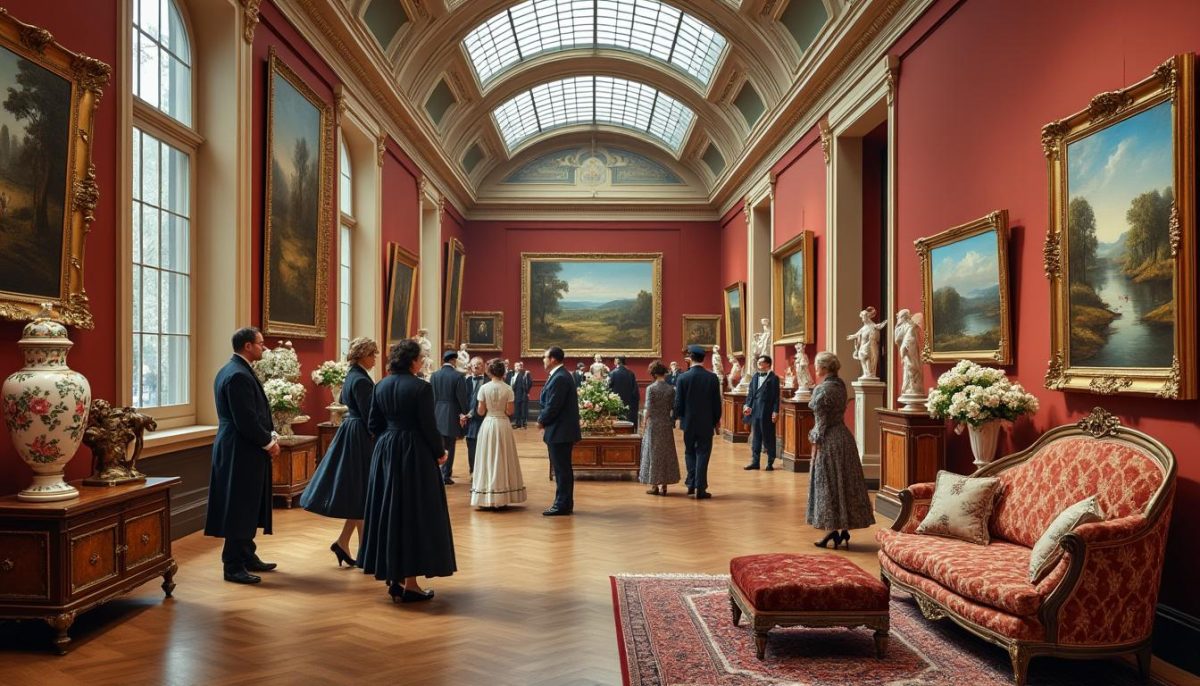
The Musée d’Orsay stands as a beacon of 19th and early 20th-century art, captivating visitors with its extensive collection. While it is widely celebrated for its remarkable Impressionist paintings—showcasing masters like Monet and van Gogh—it is equally renowned for its comprehensive Decorative Arts collection. This collection not only reveals the evolution of craftsmanship during this transformative era but also highlights the intricate relationship between design and daily life in France. Housed in a stunning repurposed railway station, the museum presents a unique environment where art and history intertwine seamlessly. From sculptures to ceramics, every piece tells a story of innovation, aesthetics, and cultural significance. These treasures, many of which were once hidden in storerooms, are now accessible for all to appreciate, thus elevating the understanding of French Art and design.
The Decorative Arts at the Musée d’Orsay offer a visual feast that transports viewers into the lavish world of the 19th century. This period marked the zenith of various art movements, including Art Nouveau, which emphasized organic forms and craftsmanship. The museum’s collection exemplifies how these artistic ideals were manifested in furniture, ceramics, and decorative objects. By engaging with these works, visitors can not only enjoy the aesthetic beauty of the pieces but also gain insight into the historic design principles that guided their creation. As the museum continues to expand its collection, each visit becomes a new exploration of the themes that underpin the Decorative Arts.
A Deep Dive into the Decorative Arts Collection
The Decorative Arts collection at the Musée d’Orsay is not merely a compilation of beautiful items; it encapsulates a rich narrative of cultural heritage and artistic ambition. Established in the late 20th century, this collection aims to illustrate a comprehensive overview of art and design from the mid-19th to early 20th century. The collection encompasses furniture, textiles, glass, and ceramics, with pieces sourced from numerous prestigious collections. This wealth of materials allows visitors to witness the shifts in style and purpose that characterized this dynamic period.
The evolution of the Decorative Arts can be traced through prominent movements such as the Second Empire, which was marked by elaborate adornments and opulent designs. The eclecticism of this era combined influences from classical antiquity to the Renaissance, resulting in a distinct aesthetic that flourished in the luxurious homes of the Parisian elite. Iconic pieces, like the gilded dressing table made for the Duchess of Parma, exemplify the craftsmanship and artistic excellence of the time. Such objects not only serve as exquisite visual experiences but also function as historical documents, revealing the societal values and aspirations of their creators.
The Second Empire Influence on Decorative Arts
The Second Empire period, extending from 1852 to 1870, marked a significant chapter in the history of Decorative Arts in France. Under Napoleon III, the nation experienced a wave of economic optimism that was reflected in art and design. Wealthy aristocrats and the burgeoning bourgeoisie filled their homes with lavish furnishings and intricate decorations. This trend was fueled by the grand transformations of Paris, overseen by Baron Haussmann, who redesigned the city’s landscape. Decorative elements from this period are characterized by their overall opulence and attention to detail, setting a standard that would influence generations to come.
At the heart of this artistic movement was a commitment to innovative design that welcomed eclectic influences. Notable examples from the Museo d’Orsay’s collection include a luxurious crystal holy water font gifted to Empress Eugénie, which gleams under carefully arranged lighting to highlight its intricate craftsmanship. Visitors to the museum can immerse themselves in the opulence of this era, engaging with a treasure trove of decorative works that captivated the elite of the time. The art objects from this period not only serve as reminders of the past but also invite viewers to contemplate the changing perceptions of beauty and utility.
Art Nouveau: A Celebration of Organic Forms
The transition to the Art Nouveau movement at the turn of the 20th century marked another crucial evolution within the Decorative Arts. This style, characterized by its emphasis on organic forms and flowing lines, transcended traditional design boundaries and was pivotal in redefining aesthetics in various disciplines, including architecture, furniture, and graphic design. The Musée d’Orsay holds an exceptional collection of Art Nouveau pieces, providing insight into the ingenuity of artists and craftsmen who sought to harmonize artistic and functional elements.
At the heart of the Art Nouveau collection are works that embody the spirit of innovation and the desire to integrate art into everyday life. One of the standout pieces is a meticulously crafted chiffonnier by sculptor Jean Dampt, featuring whimsical carved mice climbing its facade. This playful integration of natural motifs showcases the era’s philosophical movement, which aimed to elevate everyday objects into meaningful art forms. The museum also features a diverse range of materials, including stunning stained glass, ceramics, and textiles that continue to inspire contemporary designers.
The Art Nouveau movement was not confined to French artists alone, as it inspired and attracted international contributions. Renowned designers from Scotland, Germany, and Belgium, including the likes of Charles Rennie Mackintosh and Hector Guimard, have their works represented within the museum’s walls. This international influence highlights the fluid exchange of ideas that characterized this period, culminating in a shared vision of artistic expression that still resonates today.
The Enduring Legacy of Decorative Arts
The Decorative Arts at the Musée d’Orsay represent a rich tapestry that chronicles over a century of innovation, craftsmanship, and design excellence. As the museum continues to expand its collection, encompassing works from various international artists, it offers visitors a comprehensive look into the evolution of styles and techniques that have shaped our conception of art. In 2026, future exhibitions promise to delve even deeper into specialized themes, showcasing the lasting relevance of these historical pieces in today’s context.
Moreover, the museum’s commitment to education ensures that the narrative of the Decorative Arts remains accessible and engaging to future generations. Interactive displays and guided tours that highlight specific artists and movements allow visitors to experience the collection in unique ways. This ongoing dialogue between the past and present emphasizes the importance of these artistic movements in understanding our cultural landscape.
| Art Movement | Key Features | Notable Artists | Iconic Works |
|---|---|---|---|
| Second Empire | Opulent and eclectic designs | Froment-Meurice, Emile Gallé | Gilded dressing table for Duchess of Parma |
| Art Nouveau | Organic forms, natural motifs | Hector Guimard, Charles Rennie Mackintosh | Chiffonnier by Jean Dampt |
| Modern Decorative Arts | Functional yet artistic pieces | Alfons Mucha, Pierre Bonnard | Furniture designs from the Nabis group |
As you immerse yourself in the world of Decorative Arts at the Musée d’Orsay, consider exploring the connections between these artifacts and everyday life during their respective eras. Each piece serves not only as a work of art but as a cultural relic, hinting at the societal values, technological advancements, and aesthetic aspirations of the time. Whether relishing in the grandeur of Second Empire creations or marveling at the whimsy of Art Nouveau designs, a visit to the museum unfolds a narrative that transcends mere visual appreciation, inviting deep reflection and appreciation.
In addition to the expansive Decorative Arts collection, the museum’s offerings are further enriched by special exhibitions that draw upon themes related to historic design. These exhibitions showcase the diverse influences and evolving narratives that continue to shape the world of art. The convergence of craftsmanship and artistic innovation is being explored in exciting new ways, making it essential for anyone interested in the arts to partake in these journeys through time, art, and culture.
Fostering a greater understanding and appreciation for these diverse art forms ensures that the legacy of 19th-century craftsmanship remains vibrant. From exquisite ceramics to stunning sculptures, the collection at the Musée d’Orsay encapsulates a seminal moment in history when design flourished, leaving behind a treasure trove of artifacts for future generations to admire. Consider visiting other must-see Paris museums to deepen your exploration of the rich art scene by checking some of the city’s more hidden gems, as linked in earlier sections.