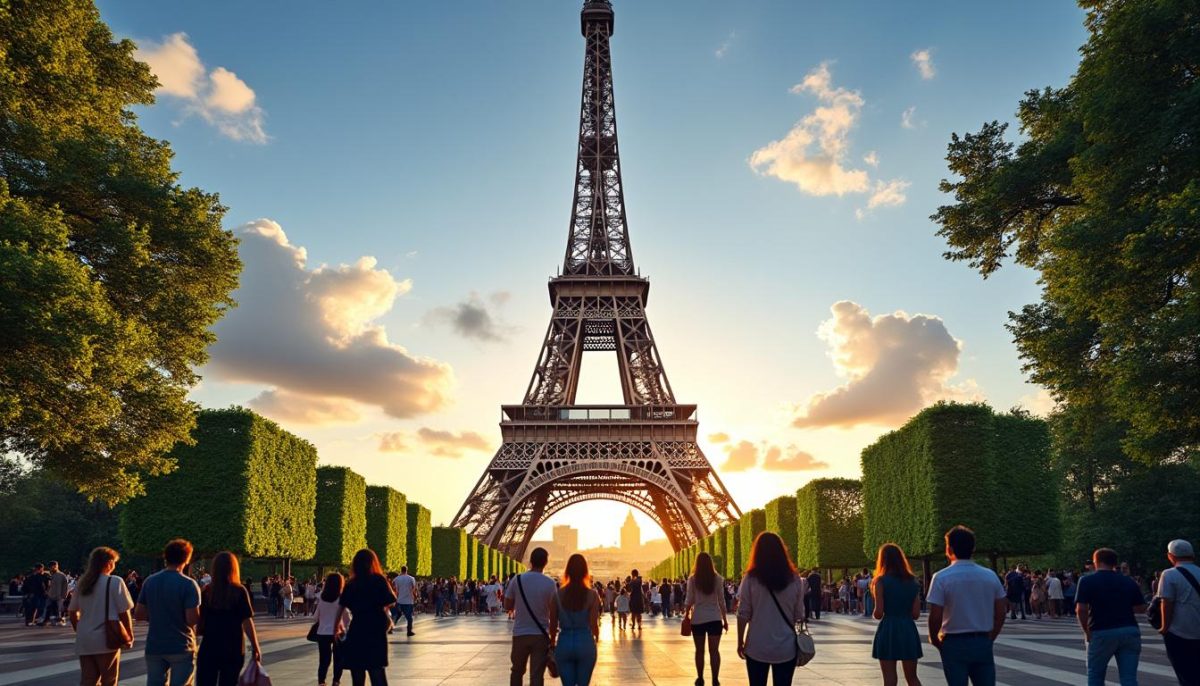
The Eiffel Tower, a symbol of French culture and engineering marvel, stands as a testimony to the creativity and ambition of its era. Completed in 1889, this iconic landmark was designed to honor the centennial of the French Revolution. As visitors flock to its base, they find themselves immersed in a rich tapestry of history, artistry, and engineering prowess. This Parisian masterpiece not only redefined architecture but also transformed how engineering works could be perceived by the public. The following sections delve into the captivating facts about this grand structure, blending its storied past with fascinating insights.
The Inspiration Behind the Tower: A Bridge Design Fantasy
One remarkable aspect of the Eiffel Tower‘s creation lies in its origins. The initial concept was born out of the imaginations of engineers Maurice Koechlin and Émile Nouguier, who worked at Gustave Eiffel’s firm. They considered the idea of stacking two sections of a bridge upright, creating an unparalleled height that would astonish the world. Their vision was ambitious: they aimed to construct the tallest building ever, measuring an impressive 300 meters. In doing so, they laid down the groundwork for an architectural revolution.
As luck would have it, the French government was seeking designs for a monument to celebrate the 100th anniversary of the French Revolution. The timing was perfect. The proposal, initially seen as a mere engineering exercise, soon transformed into a fierce competition that intensified with each passing day. This challenge attracted numerous architects and designers, but it was Eiffel’s unique vision and the feasibility of Koechlin and Nouguier’s design that ultimately triumphed. Their bridge inspiration became the heart of what is now revered as the Iron Lady.
Yet, the story of the tower’s design did not end there. Throughout its construction, the engineers faced considerable challenges that tested their ingenuity. From the intricacies of wind resistance to the availability of materials, every aspect required meticulous planning and innovative solutions. The design, which initially met skepticism from the public, eventually won admiration as construction progressed. Curious onlookers marveled as the towering structure took shape, realizing they were witnessing history in the making.
Construction Timeline: A Marvel of Engineering
The construction of the Eiffel Tower took an astonishing two years, two months, and five days. From the moment the first hammer struck the ground in January 1887 to the final touches made in March 1889, every day was a feat of engineering excellence. This time frame is even more impressive considering the size and scale of the project, which utilized more than 18,000 iron parts and 2.5 million rivets.
Initially, the structure was engineered with a complex framework that allowed it to sway gracefully in the wind. This wasn’t merely an artistic choice; it was crucial for structural stability. In fact, Eiffel’s team incorporated principles drawn from bridge construction, recognizing that flexibility was vital for steel structures. This was radical thinking for the time, as most constructions adhered strictly to traditional static designs.
In its completion, the tower didn’t just stand tall; it became a beacon of progress, showcasing what was possible through collaboration and innovation. The Eiffel Tower’s completion marked a significant achievement in the world of architecture, paving the way for future skyscrapers and vertical constructions.
Height and Weight: A Monumental Presence
Upon its completion, the Eiffel Tower soared to a height of 300 meters, rendering it the tallest man-made structure in the world for an astounding 41 years. To put this into perspective, the Washington Monument, which held the previous record, stood at a mere 172 meters. Its height was so groundbreaking that it wasn’t just a feat of engineering; it became a global icon of what human endeavor could achieve.
Today, including the antennas atop, the tower reaches 324 meters — that’s about the height of an 81-story building. The weight of this magnificent structure is equally staggering, tipping the scales at around 10,000,000 kilograms (approximately 22 million pounds). Such heft is a result of the meticulous craftsmanship and the choice of materials which emphasized both durability and aesthetics.
Interestingly, maintaining the tower’s appearance involves significant effort. It requires approximately 50,000 kilograms of paint to cover the structure properly, applied regularly to preserve its façade. The use of three distinct shades, meticulously chosen, creates the optical illusion of uniformity at different viewing angles, providing a visually balanced experience from both the ground and the viewing platforms.
Visitor Experience: A Gateway to the Parisian Sky
Visitors to the Eiffel Tower are often met with an exhilarating experience. The route to the summit offers a harmonious blend of history and breathtaking views. The tower’s three levels each provide distinct vantage points, allowing visitors to absorb the beauty of Paris from varying heights. The first level sits at 57 meters above the ground, while the second level provides an elevated perspective at 115 meters. The third level, or the summit, reaches an impressive 274 meters, rewarding climbers with panoramic views that captivate the heart.
The original elevator design required passengers to change cars halfway up, located on an exposed catwalk. This engineering choice could have easily deterred many, yet it became a quirky aspect of the Eiffel Tower experience. Today, with modern elevators, visitors can ascend seamlessly, indulging in a swift journey skyward. This upgraded feature increases the tower’s accessibility, inviting millions to experience its grandeur.
Having welcomed over 250 million visitors since its inception, the Eiffel Tower remains unmatched as one of the most frequented monuments in the world. Each year, around 9 million people come to marvel at its elegance, and the experience leaves them with lasting memories. Not only does the tower attract tourists, but it also serves as a backdrop for romantic moments, cultural events, and artistic expressions, reinforcing its status as an enduring icon of French culture.
Historical Significance: A Military and Cultural Landmark
The Eiffel Tower’s importance extends beyond its architectural and aesthetic appeal; it has served critical roles in various historical contexts. For instance, during World War I, the tower was utilized for military communications, guiding French troops to victory during the Battle of the Marne in 1914. This pivotal moment highlights how a structure, often seen as merely decorative, can play significant roles in times of crisis.
Over the decades, the Eiffel Tower has also witnessed numerous cultural events and changes, evolving from a public artwork into a symbol of national pride. The historical backdrop surrounding the tower elevates it beyond typical tourist attractions. Its enduring presence tells stories of triumph, resilience, and innovation through the ages.
In the modern era, the Eiffel Tower stands as a canvas for cultural expressions. Its illumination can shift based on seasons, holidays, or significant events. For example, the installation of the hourly sparkling light display in 1999, using 20,000 bulbs, marked a memorable homage to the new millennium. These celebrations unite those who visit and pass by, showcasing collective love for this iron giant.
A Continuous Journey Through Time
Even as we move deeper into the 21st century, the Eiffel Tower continues to reinvent itself while preserving its rich legacy. Each year, it undergoes maintenance and preservation efforts, with repainting occurring every six to seven years. This commitment ensures the tower remains a cherished icon for future generations.
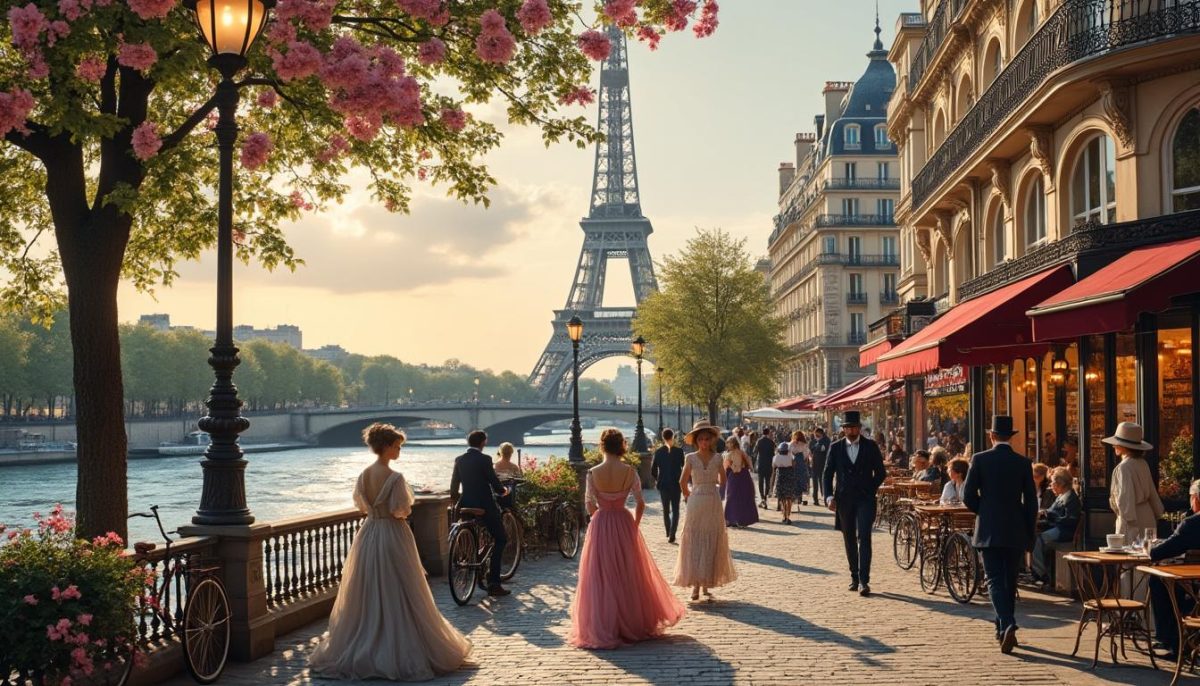
As we approach 2026, the Eiffel Tower stands as more than a tourist attraction; it embodies the evolution of engineering and architecture. With its blend of artistic design, structural ingenuity, and historical significance, it captures the enduring spirit of Paris. Visitors and locals alike continue to find joy and inspiration in exploring this magnificent landmark. Those who stroll along the Seine, with the Eiffel Tower as a majestic backdrop, are reminded of the dreams and aspirations that it represents.