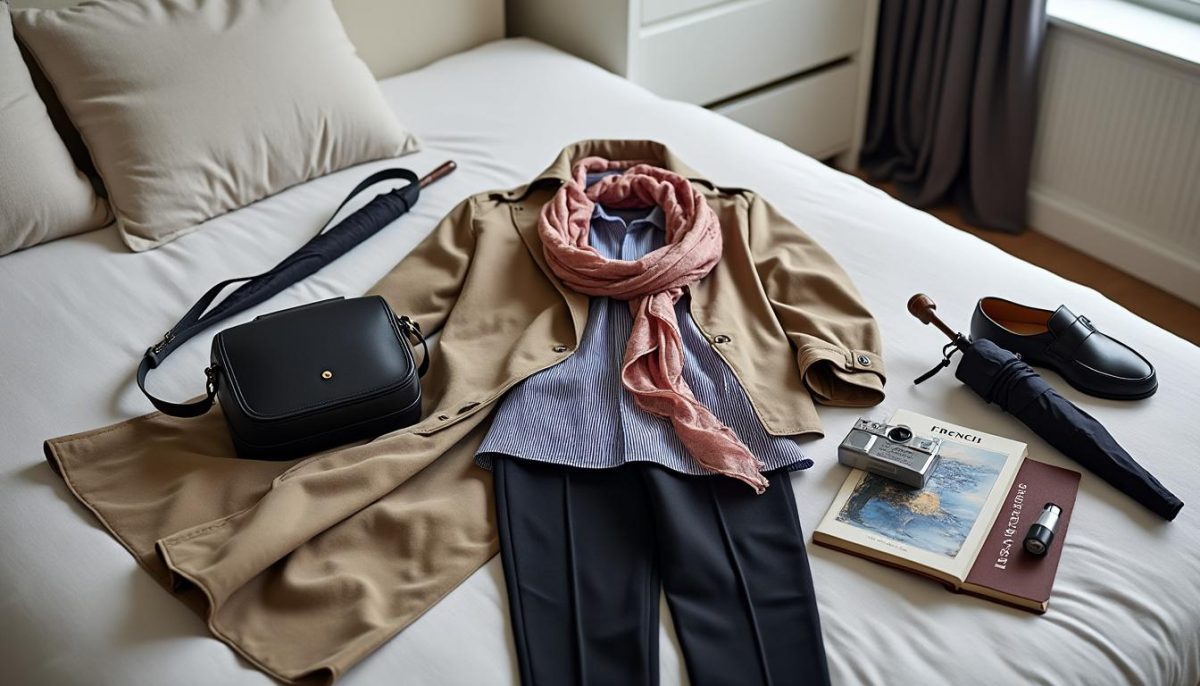
Traveling to France can be an exhilarating experience, especially when armed with the right tools to communicate. Learning some essential French words and phrases can significantly enhance your interactions with locals. The beauty of the French language lies not just in its romantic sounds, but also in the way it enriches your travel experience. Being polite and able to express your needs confidently translates to a more enjoyable journey. Whether ordering food in a quaint café or asking for directions, knowing a few key phrases can open doors and create connections.
Understanding this language can help you navigate through Paris and other French-speaking locations. From the iconic bistros to bustling markets, mastering the basics will allow you to savor every moment. Not only does it foster goodwill, but it also often earns you respect from natives who appreciate your effort. Mistakes may happen, but a smile and willingness to try can bridge any gap between cultures.
Essential French Phrases for Dining in France
When it comes to dining, knowing how to order food correctly can make a huge difference. The French take their cuisine seriously, and understanding how to communicate your culinary desires will enrich your experience. A few essential phrases can pave the way for delightful meals in Paris.
Start with the simplest and most universally appreciated terms like “s’il vous plaît” (please) and “merci” (thank you). These form the foundation of polite communication. Adding “bonjour” (hello) when entering establishments can set a friendly tone. When it comes time to place your order, knowing specific terms can help you navigate the menu with ease.
For instance, if you want steak and prefer it medium-rare, you would say, “Je voudrais un steak, à point, s’il vous plaît” (I would like a steak, medium rare, please). It helps to familiarize yourself with how cooking preferences are expressed in French. Here’s a quick overview:
| Cooking Preference | French Phrase | English Translation |
|---|---|---|
| Rare | À saignant | Rare |
| Medium Rare | À point | Medium Rare |
| Well Done | Bien cuit | Well Done |
Beyond steak, embracing the unique offerings such as wild game is also a culinary adventure worth undertaking. Dishes made from sanglier (wild boar) or cerf (venison) showcase the French appreciation for rich flavors. During certain seasons, these dishes become popular and are often prepared slow-cooked in wine, enhancing their tenderness and taste.
Getting Around: Essential Words for Transportation
Besides dining, mastering the lingo related to transportation can significantly enhance your travel experience in Paris. While navigating the metro or bus system may seem daunting, understanding a few key terms can simplify the process.
A core aspect of commuting in Paris involves recognizing some fundamental vocabulary. Phrases such as “où est la station de métro?” (where is the metro station?) or “un ticket, s’il vous plaît” (a ticket, please) can come in handy. Additionally, engaging with fellow travelers or locals about your route can yield helpful tips and insights.
Familiarize yourself with commonly used terms related to public transport:
| Word | French | English Translation |
|---|---|---|
| Metro | Métro | Metro |
| Bus | Autobus | Bus |
| Train | Train | Train |
Moreover, when using public transportation, it’s beneficial to know how to ask about tickets, schedules, and routes. Questions like “À quelle heure part le prochain train?” (what time does the next train leave?) can draw valuable insights from locals and fellow passengers.
Essential Vocabulary for Hotel Stays
Finding suitable accommodation is a crucial aspect of any travel endeavor. Paris boasts a range of options from chic boutiques to luxurious five-star hotels. However, being equipped with essential words related to hotels can make your check-in process smoother.
When interacting with hotel staff, knowing how to inquire about your room can greatly enhance the experience. For instance, “Bonjour, j’ai une réservation” (hello, I have a reservation) is a courteous way to start. Terms like “la clé” (the key) and “la salle de bain” (the bathroom) will also be valuable throughout your stay.
Here’s some key vocabulary to keep in mind during your hotel stay:
| Word | French | English Translation |
|---|---|---|
| Key | Clé | Key |
| Room | Chambre | Room |
| Reservation | Réservation | Reservation |
Understanding these words not only simplifies communication but also contributes to a sense of comfort while navigating through your stay. When addressing requests or issues, incorporating politeness with phrases like “Excusez-moi” (Excuse me) can elevate your interactions.
Essential Phrases for Shopping and Daily Interactions
Shopping in Paris can be an adventure filled with unique finds, but knowing a few basic phrases can enhance your experience significantly. French boutiques and markets abound, and understanding how to engage with shopkeepers can lead to delightful discoveries.
Politeness goes a long way in French culture. Simple greetings, such as “Bonjour” (Hello) and “Merci” (Thank you), can enhance your interaction and often lead to friendlier responses from shopkeepers. If you’re interested in making a purchase, you might say, “Combien ça coûte?” (How much does it cost?) This shows that you are eager to communicate, paving the way for a satisfying shopping experience.
Understanding key terms related to shopping can also enhance your interactions. Here’s a useful table detailing relevant words:
| Word | French | English Translation |
|---|---|---|
| Market | Marché | Market |
| Purchase | Achat | Purchase |
| Sale | Vente | Sale |
As shopping is an essential part of the travel experience, don’t hesitate to ask for recommendations. Questions like “Pouvez-vous me recommander quelque chose?” (Can you recommend something?) can lead to discovering hidden gems.
Handling Emergencies: Communication during a Crisis
Despite the best-laid plans, emergencies can arise while traveling. Knowing how to communicate effectively in these situations is crucial. Familiarizing yourself with phrases related to health or safety will empower you to seek help when necessary.
Should you find yourself in need of medical attention, knowing how to express your issue can significantly aid in receiving swift assistance. Phrases like “J’ai mal à la tête” (I have a headache) or “J’ai une allergie” (I have an allergy) are vital for explaining your condition.
Moreover, preparing a list of essential emergency phrases can provide a safety net. Here’s a brief table of terms you may find useful:
| Phrase | French | English Translation |
|---|---|---|
| Help | Aide | Help |
| Call a doctor | Appellez un médecin | Call a doctor |
| Emergency | Urgence | Emergency |
Being armed with this knowledge allows for clearer communication, fostering a sense of security even in stressful situations. It’s advisable to keep this information easily accessible during your travels.