For decades, the bustling Place de la Madeleine has hosted an iconic gem in Parisian culture: Fauchon, the renowned gourmet food emporium. Originally founded in 1886, it became synonymous with luxury, offering a vibrant selection of eclairs, jams, and an array of pastries that defined French culinary indulgence. Tragically, in 2026, we witness the closure of this historic establishment, a decision influenced by numerous social and economic factors. This departure marks not only the end of a significant chapter in the life of the square but also a larger narrative about the changing face of gourmet food retail. As we bid farewell to Fauchon, one can’t help but reflect on its legacy—one that shaped the food culture of Paris and influenced countless lovers of fine cuisine.
Fauchon: A Legacy of Culinary Excellence
The history of Fauchon is inextricably linked to the evolution of the culinary landscape in Paris. Established just three years before the Eiffel Tower began its ascent to the Parisian skyline, Fauchon quickly became the go-to destination for the bourgeoisie seeking fine delicacies. What started with a simple cart of apples has blossomed into a global brand recognized for its artistry in gastronomy. Celebrated for their vibrant displays and artisanal products, Fauchon not only sold food but also created experiences that lingered in the minds of patrons.
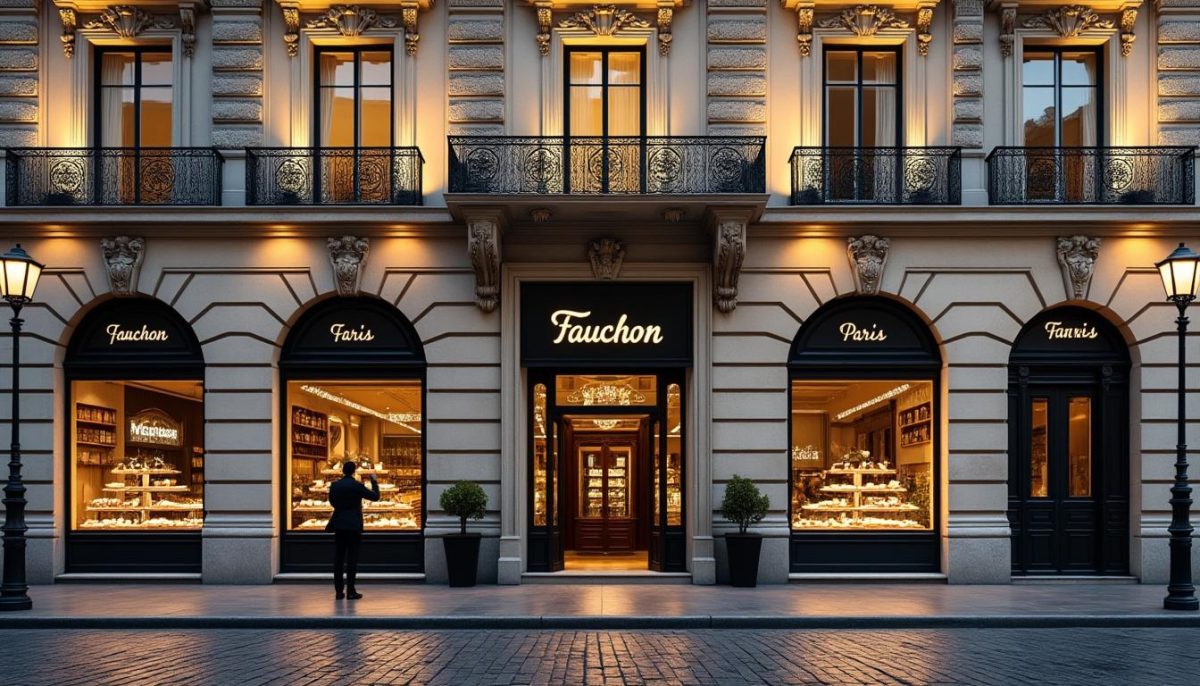
Through the years, Fauchon was known not just for its eclairs, which boasted unmatched quality and innovation, but also for its grand displays filled with an array of culinary delights. The shop became a beloved haunt for locals and tourists alike, drawing countless visitors eager to savor the best of French pastry-making. A striking landmark in itself, Fauchon’s façade on Place de la Madeleine was an invitation to indulge in flavors of France. As patrons walked through its doors, they were met with a sensory overload—a tribute to the beauty of artisan food.
The ambiance enhanced the experience further; the proximity to neighboring establishments like Prunier and Mariage Frères created a vibrant epicurean hub, reinforcing Fauchon’s position at the heart of Parisian culinary culture. For many, a visit to Fauchon symbolized the essence of being in Paris, immersing oneself in its storied gastronomic heritage. However, this rich legacy cannot be overlooked as we reflect on its impending closure; it prompts an exploration of how modern challenges in urban retail and an evolving consumer base led to this pivotal moment.
The Impact of Changing Retail Landscapes
The dramatic shifts in retail, exacerbated by the global pandemic and social movements in recent years, have fundamentally transformed how gourmet food is bought and sold. The years leading up to 2026 saw Fauchon adapting, with an emphasis on online sales and a strategic expansion of their international presence. Paradoxically, while they faced significant challenges at home, Fauchon prospered in markets like Japan, where the demand for luxury French products remained robust. This transition, though necessary, underscored the stark reality of the industry: urban retail today is fraught with competition and evolving consumer behaviors.
The closure of Fauchon’s flagship store is emblematic of this transformation—historic brands must now navigate an uncertain future. The pandemic forced many gourmet shops, including Fauchon, to rethink their business models. The necessity of digital adaptation was paramount, yet the essence of what made Fauchon special—its intricate handcrafted offerings—was harder to translate to an online format. For devoted customers, flourishing online accessibility could not replicate the experience of browsing through Fauchon’s exquisite products, which positively brimmed with flavor and heritage.
Furthermore, persistent social unrest, including yellow vest protests in France, impacted foot traffic in prime areas like Place de la Madeleine. Major retailers are now faced with the dual challenge of attracting customers back to physical stores while maintaining a lucrative online presence, leading to difficult decisions regarding the viability of traditional operations. The closure of Fauchon sends ripples through the broader gourmet landscape, raising questions about the future of such artisan establishments. The brand continues to survive internationally, yet the vibrancy associated with its original location is lost amidst this challenging environment.
Remembering the Unique Offerings of Fauchon
One cannot commemorate Fauchon without reminiscing about the unforgettable flavors that defined the brand’s offerings. Remember the well-curated displays of éclairs, each meticulously crafted, with seasonal inspirations and unique fillings? Fauchon played a pivotal role in elevating this classic French pastry, often drawing crowds during special promotions like their renowned Week-End Éclairs, which celebrated the beginning of the academic year in September. Such events were more than just marketing—they became community gatherings where patrons celebrated France’s culinary art.
Even now, nostalgia for creations like the foie gras éclair, elegantly glazed with hazelnut cream, persists. Such dishes challenged traditional culinary boundaries while affirming Fauchon’s bold approach to flavor innovation. The heartfelt association of Fauchon with gourmet experiences created memorable moments for those who visited, fostering a sense of connection to French culinary culture.
The legacy of such culinary milestones reverberates through the fabric of Paris itself. Fauchon’s contributions helped elevate the standards and expectations of gourmet food, pushing forward an entire industry that thrives on creativity and quality. As Fauchon bids adieu to its Place de la Madeleine location, the impact of its offerings lingers even as its physical presence diminishes. Patrons will continue to remember the delightful experiences that Fauchon provided over its storied history.
A Legacy that Keeps On Giving
While Fauchon may have closed its historic location, its spirit endures through other avenues. The brand continues to operate globally, however, with an increasing focus on international markets. The continued expansion means that while Fauchon may no longer be central to Paris, it remains a symbol of French culinary excellence worldwide. From gourmet shops to luxury cafes, Fauchon continues to innovate and capture the essence of what it means to indulge in fine dining experiences.
Moreover, the new Fauchon L’Hôtel Paris, located conveniently on Place de la Madeleine, stands as a testament to the brand’s enduring legacy. This boutique hotel intertwines the style that Fauchon embodies with luxurious hospitality, offering guests an immersive experience filled with art, culture, and, of course, gastronomic flair. For those who wish to indulge in the Fauchon experience, this hotel provides a unique opportunity to remain connected to the brand without the original flagship store. Such adaptations highlight the resilience of the Fauchon brand in the face of adversity.
A look back at Fauchon’s influence reminds us of the importance of preserving such legacies. Gourmet food is deeply intertwined with cultural identity. A city thrives alongside its culinary staples, and as we say farewell to a landmark, we must also celebrate the innovation and artistry that Fauchon brought to Paris. The iconic landmark may be closing its doors, but its heart remains intertwined with the Parisian gastronomic landscape, a reminder of what it means to savor life.
| Year | Significant Event |
|---|---|
| 1886 | Fauchon opens its first shop in Place de la Madeleine. |
| 2026 | Closure of the iconic flagship store due to economic pressures. |
| 2022 | Expansion of Fauchon into international markets, notably Japan. |