The Fondation Cartier in Paris serves as a vibrant sanctuary for both established and emerging artists. Nestled in the 14th Arrondissement along Boulevard Raspail, this museum is emblematic of contemporary art, where innovation meets tradition. Since its inception in 1984 by the luxury brand Cartier, it has aimed to amplify the voices of young creators, providing them a platform to showcase their work in a supportive environment. Today, it remains a dynamic cultural venue that frequently hosts cutting-edge art exhibitions across various mediums, from visual arts to performing arts, making it an unmissable destination for lovers of modern art.
Architecture and Design of Fondation Cartier
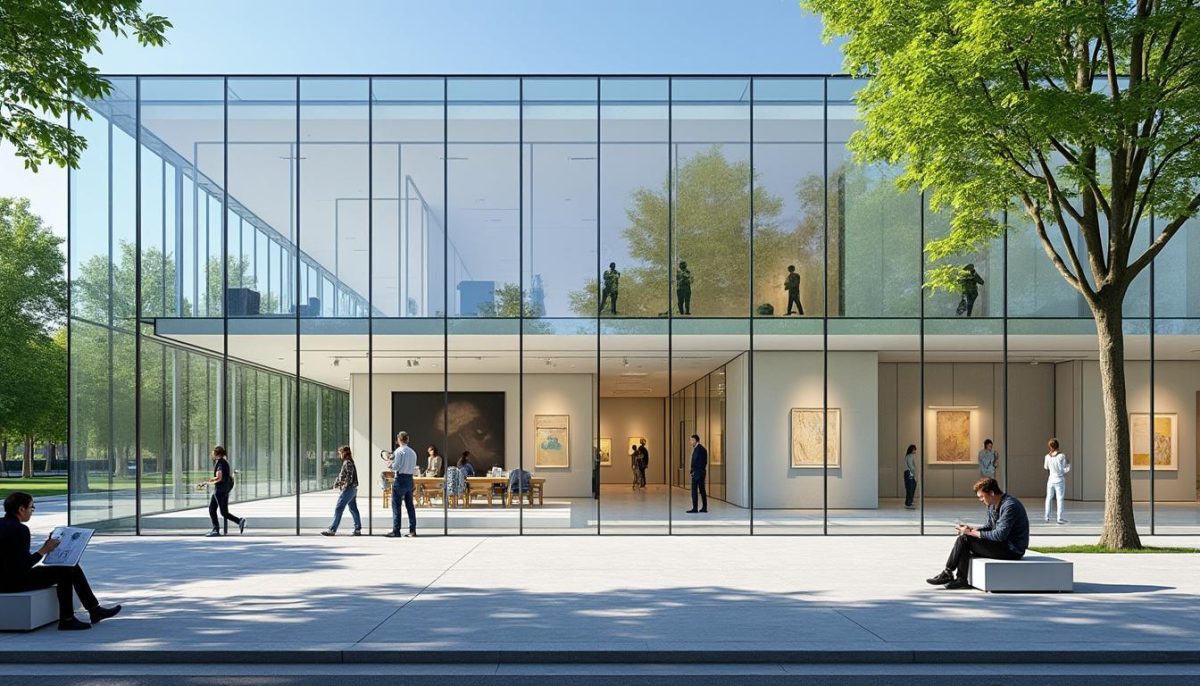
One cannot discuss the Fondation Cartier without acknowledging the radical architectural vision bestowed upon it by the renowned architect Jean Nouvel. The building is a masterpiece in its own right, characterized by its striking glass and steel façade that harmoniously integrates with the lush greenery surrounding it. This special relationship between architecture and nature was not merely a design choice; it was a philosophy that Nouvel embraced when he was commissioned for the project. The transparent walls create an inviting atmosphere, allowing visitors to feel as though they are part of both the indoor and outdoor spaces.
A walk around the Fondation reveals the main entrance flanked by an open courtyard, complemented by sliding eight-meter-high panels that enhance the sense of openness. These large glass surfaces allow natural light to flood the lobby, creating an inviting ambiance. Nature becomes a central element here, exemplifying the vision that Nouvel had to create a space that challenges the traditional definitions of art galleries. It becomes clear that the architecture serves as a statement piece, rather than simply a backdrop for exhibitions.
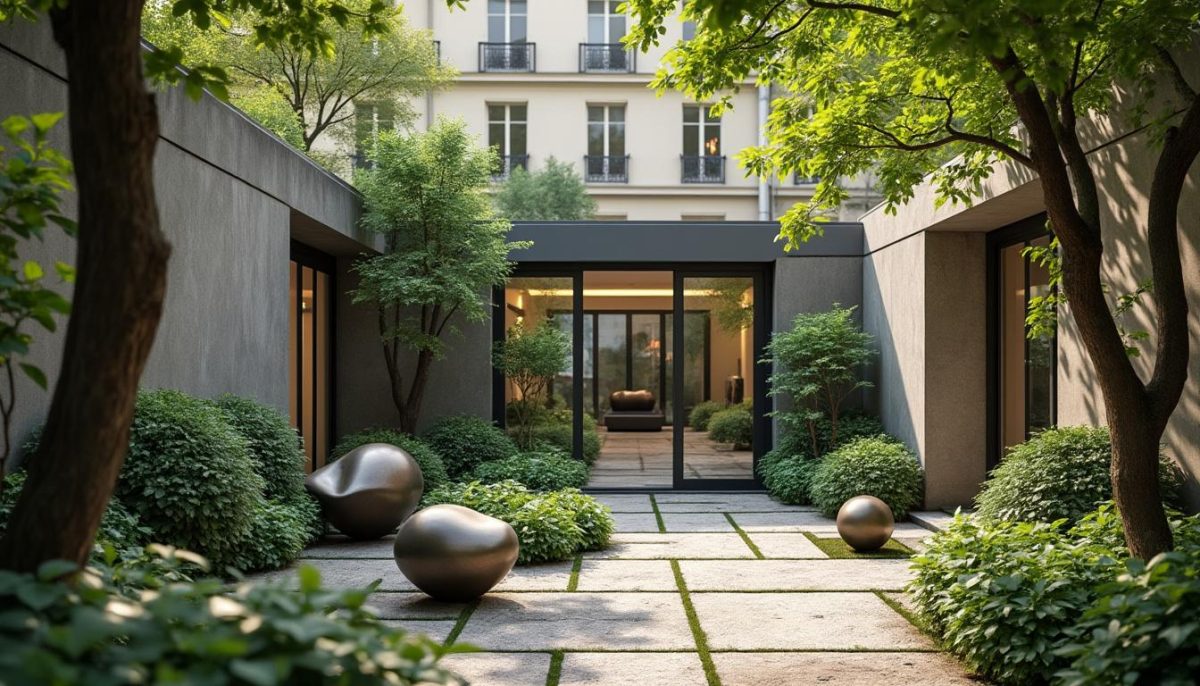
The careful design extends beyond the building itself; the surrounding garden, known as Theatrum Botanicum, was created by the German conceptual artist Lothar Baumgarten. It represents a modern woodland, teeming with wildflowers reminiscent of ancient botanical gardens where medicinal and aromatic plants were cultivated. This initiative aligns with the museum’s mission to blend cultural experiences with nature, offering an educational layer to the visits. The garden is open to the public, allowing for spontaneous interaction between art and the environment, a strategy that encourages visitors to immerse themselves fully in the experience.
Exhibitions and Cultural Initiatives
At the heart of Fondation Cartier’s offerings are its varied and exhilarating art exhibitions. Each year, the museum hosts numerous temporary exhibitions that showcase a span of contemporary artistic practices. This includes visual arts, performance, and multimedia projects. The institution believes in the power of art innovation, and through its exhibitions, it successfully introduces viewers to a diverse array of artistic narratives and techniques.
One of the hallmark events at the Fondation is the Nomadic Nights, which have been organized since 1994. These evenings transform the museum into a stage where various artists can present their works, fostering an engaging dialogue between the performers and the audience. Events like these not only elevate the presence of emerging artists but also encourage collaboration between disciplines. The vibe during Nomadic Nights transcends the traditional parameters of art consumption, allowing for a dynamic exchange that is both enlightening and entertaining.
Furthermore, the foundation’s permanent collection is expansive, comprising around 1,500 works by over 350 artists from various corners of the world. This collection reflects the museum’s commitment to global artistic representation and provides a strong foundation from which temporary exhibitions can draw inspiration. The diversity of the collection enhances the viewer’s experience, challenging preconceived notions of what contemporary art should look like.
For those interested in understanding the art exhibitions within a broader context, Fondation Cartier offers guided architectural tours that delve into Mr. Nouvel’s unique design. These tours provide an intriguing commentary on how the architecture and the artworks interact, enriching the visitor’s comprehension and appreciation for both the space and the art it houses.
Community Engagement and Educational Programs
Fondation Cartier is not merely an art gallery; it is also a vital hub for community engagement and education. Through programming designed to involve the local and international community, the museum fosters accessibility to contemporary art. Workshops, artist talks, and themed educational programs are integral parts of their outreach initiatives. These programs emphasize the importance of hands-on experiences in fostering a connection with art and serve to demystify contemporary artistic practices.
Understanding that art should be enjoyed by all, the museum often hosts second-language programs and activities aimed specifically at children, families, and youths. These not only enrich cultural understanding but also aim to inspire the next generation of artists, ensuring that the legacy of art continues to flourish. By providing these opportunities, Fondation Cartier aligns with its mission to encourage creativity and artistic exploration along all spectrums of society.
Additionally, the museum’s proximity to a range of Parisian cultural landmarks allows for collaborative programs that extend beyond its walls. This network of partnerships creates a robust cultural environment, where exhibitions and events can draw on the strengths of other institutions. Such collaborations showcase the value of integration in the arts community and contribute to the vibrant cultural fabric of Paris.
Accessibility and Visitor Experience
The Fondation Cartier strives to provide an inclusive atmosphere, ensuring that all visitors can easily access its facilities. Open from Tuesday to Sunday, with late hours on Tuesdays, the museum facilitates flexible visitation. Upon entering, guests are greeted by a staff dedicated to making each visit enjoyable and informative. Guided tours are available, and informational resources are plentiful, ensuring a comprehensive experience of the exhibitions and the space itself.
As part of the foundation’s commitment to accessibility, digital tools have also been introduced. With the advent of modern technology, Fondation Cartier leverages online platforms to reach an even broader audience. Virtual tours and online exhibition previews allow those unable to visit in person to interact with contemporary art in meaningful ways. This initiative serves as a vital lifeline, particularly during times when physical attendance may be challenged due to unforeseen circumstances, furthering their mission of making art available to all.
For visitors seeking to continue their cultural journey throughout Paris, the neighborhood surrounding the Fondation offers a wealth of attractions, including bookstores and charming bistros. Each of these venues contributes to the overall Parisian experience, enriching the cultural landscape intended for both locals and travelers. To explore more about where to dine or enjoy other cultural activities, one might consider visiting Paris Hotels & Tours for more insights into the area.
| Aspect | Details |
|---|---|
| Location | Boulevard Raspail, 14th Arrondissement, Paris |
| Architecture | Designed by Jean Nouvel |
| Opening Years | 1984 |
| Exhibitions | Annual contemporary art exhibitions |
| Visitor Accessibility | Guided tours, workshops, digital resources |
The Legacy of Cartier and the Foundation’s Future
The Fondation Cartier stands as a reflection of the Cartier brand’s long-standing commitment to art and innovation. Founded in 1847, Cartier has a rich history that transcends generations, having earned a reputation as “the jeweler of kings.” This legacy naturally extends into the world of contemporary art through the foundation’s endeavors. The museum is a testament to both the luxury and accessibility of art, aiming to bridge the gap between traditional and modern practices.
Looking forward, the foundation continues to adapt and innovate, exploring new ways to engage audiences. As art evolves, so does the Fondation Cartier, constantly seeking out new emerging artists while providing a platform for established figures. The dynamic programming coupled with its commitment to community initiatives ensures the foundation remains relevant and continues to play a crucial role in the contemporary art scene.
In essence, the Fondation Cartier is not just a cultural venue; it is a thriving ecosystem where contemporary art is celebrated daily. By empowering artists and enchanting audiences, it fosters a lasting dialogue between tradition and modernity, paving the way for the future of art in Paris and beyond.