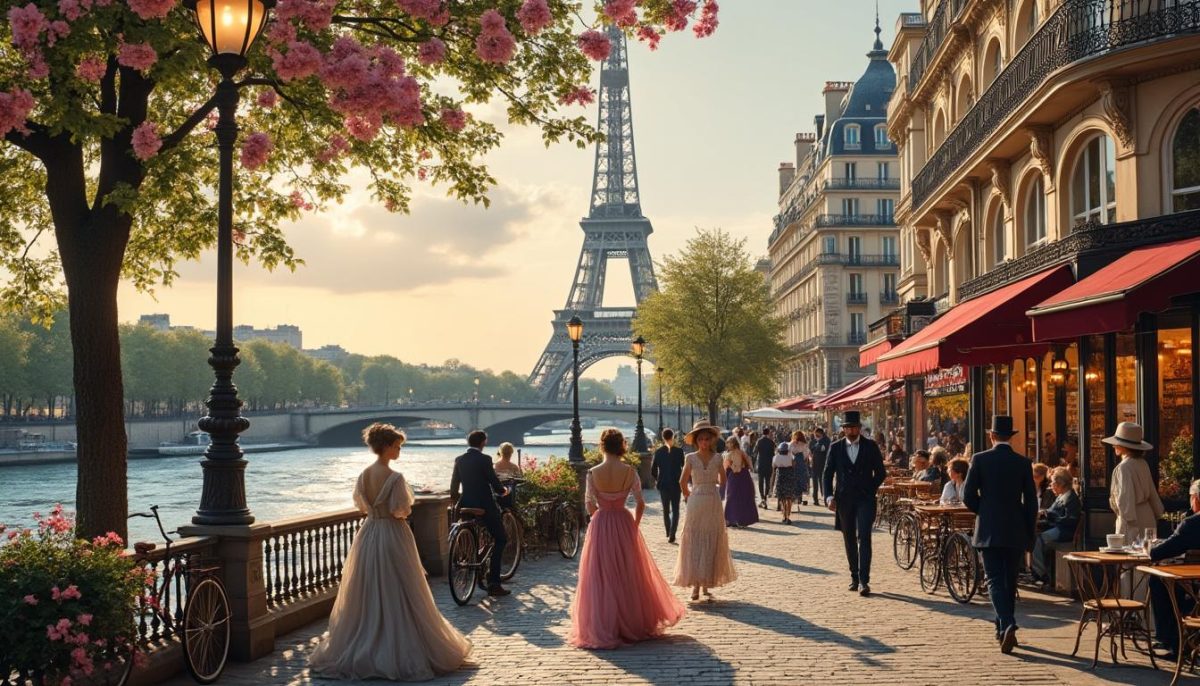
In the heart of Paris, just a stone’s throw from the majestic Eiffel Tower, the National Marine Museum stands as a living testament to France’s rich naval heritage. This captivating institution has reopened its doors after an elaborate renovation that has redefined the visitor experience, merging history with cutting-edge technology. A place where the past meets the present, the museum offers a dazzling array of exhibits that celebrate the nation’s storied maritime journey. From ancient navigation tools to intricate ship models, each artifact tells a story that resonates through the ages. Visitors are greeted by the refreshing scent of the sea as they step into a world where the glories of the French Navy come alive with unparalleled enthusiasm.
The ambiance of the museum is as inviting as it is educational. Each exhibit has been carefully curated to spark curiosity and encourage exploration. As patrons walk through the halls, they can almost hear the echoes of past seafarers’ adventures. The displays not only showcase the artistry of maritime construction but also underline the significance of maritime exploration in shaping the world we know today. It isn’t merely a museum; it is a portal to another time, filled with stories that captivate both young and old alike.
History of the National Marine Museum in Paris
The history of the National Marine Museum dates back over two centuries and is indelibly intertwined with the maritime legacy of France. It first took shape in 1748, thanks to the efforts of Henri-Louis Duhamel du Monceau, a naval engineer tasked by King Louis XV to assemble a collection of ship models. This initial endeavor aimed not only to educate aspiring naval officers but also to exhibit France’s maritime prowess. The collection eventually found its home within the Louvre, where it flourished until the tumult of the French Revolution sent it scrambling for stability.
Following the Revolution, the collection changed hands numerous times, reflecting both the nation’s political upheaval and its enduring fascination with the sea. Napoleon himself contributed to the museum’s evolution by adding his personal collection of naval artifacts. In 1937, the museum found a permanent residence in the Palais de Chaillot, where it enjoys a prime location overlooking the Seine. This striking building, characterized by its grand architecture, perfectly complements the museum’s mission to honor French maritime history. As of today, it operates alongside several other national naval museums throughout France, located in places like Brest and Toulon, creating a network dedicated to preserving maritime history.
This historical journey mirrors the broader narrative of France’s relationships with the sea, emphasizing the importance of naval power in both warfare and commerce. As visitors delve deeper into the museum, they encounter not just artifacts, but a profound understanding that the relationship between France and its waters has shaped its identity for centuries. Each ship model, painted canvas, and navigational tool ties back to the narrative of exploration, discovery, and the conflicts that marked different eras.
Exquisite Collections: Ship Models and Marine Artifacts
One of the most captivating features of the National Marine Museum is its extensive collection of ship models. This collection ranks as one of the most comprehensive in Europe and offers a fascinating glimpse into the artistry and engineering prowess of naval architects through the ages. Among the standout pieces are meticulous models of galleons and warships that speak volumes about the evolution of shipbuilding techniques. Each model is a visual spectacle in its own right, reflecting the craftsmanship that defined maritime history.
Curious visitors can marvel at the grandeur of hallowed vessels like Napoleon III’s Imperial Boat or the intricately detailed stern of King Louis XIV’s galley. These artifacts are not merely historical relics; they served as vital training tools for generations of naval engineers. The models are intricately designed and functional, designed to educate future officers about the complexities of maritime construction.
Beyond just models, the museum houses an array of maritime artifacts that captures the essence of life at sea. Items such as ancient navigational instruments, cannons, and figureheads are scattered throughout the exhibits. Each artifact offers a tangible connection to the past, allowing visitors to appreciate the challenges and triumphs experienced by those who braved the oceans. The museum brings to life the thrill of maritime exploration and the adventures of sailors, offering insights into their daily lives and the gear that kept them afloat.
The Experience: Interactive and Immersive Exhibitions
In an age of digital engagement, the National Marine Museum is making waves with its commitment to modernizing the visitor experience. The extensive renovations incorporated state-of-the-art technology, transforming how guests interact with history. Notable among these advancements is a visually stunning 360-degree immersive battle room that transports visitors into the heart of historical naval confrontations. This experience is engineered to be more than mere observation; it draws guests into the action, complete with the sounds of cannons and crashing waves, serving as a striking reminder of the realities of naval warfare.
Moreover, the museum has installed a virtual shipbuilding station, providing an interactive platform for visitors to experiment with designing their own vessels using historical blueprints. This engaging experience allows guests to step into the role of an 18th-century shipwright, fostering an appreciation for the complexities of ship design. Children and adults alike find the combination of entertainment and education unbeatable, making a visit to the museum a memorable outing.
Accessibility also remains a priority for the museum. With tactile exhibits, multilingual audio guides, and thoughtful installations, it ensures that every visitor can engage with the material. The structured discovery area for children fosters an early curiosity about the sea, creating a space where young minds can grasp maritime history in a fun and relatable manner. The museum transforms learning into an adventure, inviting people of all ages to dive deep into the realms of France’s naval history.
Exploring the Surroundings: The Palais de Chaillot and Beyond
The National Marine Museum enjoys a prime location within the Palais de Chaillot, making it the perfect starting point for exploring some of Paris’ other iconic landmarks. Once visitors finish immersing themselves in maritime history, the vibrant surroundings promise a wealth of additional experiences. Just across the Seine lies the unmistakable silhouette of the Eiffel Tower, ready for those classic photo ops. In a short walk, visitors can find themselves marveling at the exquisite architecture and collections at the Cité de l’Architecture et du Patrimoine, or even tracing the narratives of humankind at the nearby Musée de l’Homme.
For those seeking a leisurely escape, the Trocadéro Gardens offer a picturesque view of the Eiffel Tower and provide an excellent spot for a mid-day picnic. Here, visitors can bask in the beauty of its manicured lawns while enjoying delicious treats from nearby boulangeries. Alternatively, indulging in the classic experience of a Seine dinner cruise allows guests to explore the romantic ambiance of Paris at twilight, complete with a delightful French dinner.
Whether it’s making a stop at the historic must-visit museums in the area or dining at scenic cafés, the National Marine Museum seamlessly connects to a broader tapestry of experiences that enrich any trip to Paris. The magic of the city extends far beyond one museum, making every journey an opportunity to uncover new stories and hidden gems.
| Exhibit Type | Key Highlights | Date of Establishment |
|---|---|---|
| Ship Models | Largest collection in Europe, including Napoleon’s vessels | 1748 |
| Maritime Art | Paintings by Joseph Vernet, depicting naval battles | Established 18th century |
| Artifacts | Dynamic navigational tools and personal belongings of sailors | 19th century |