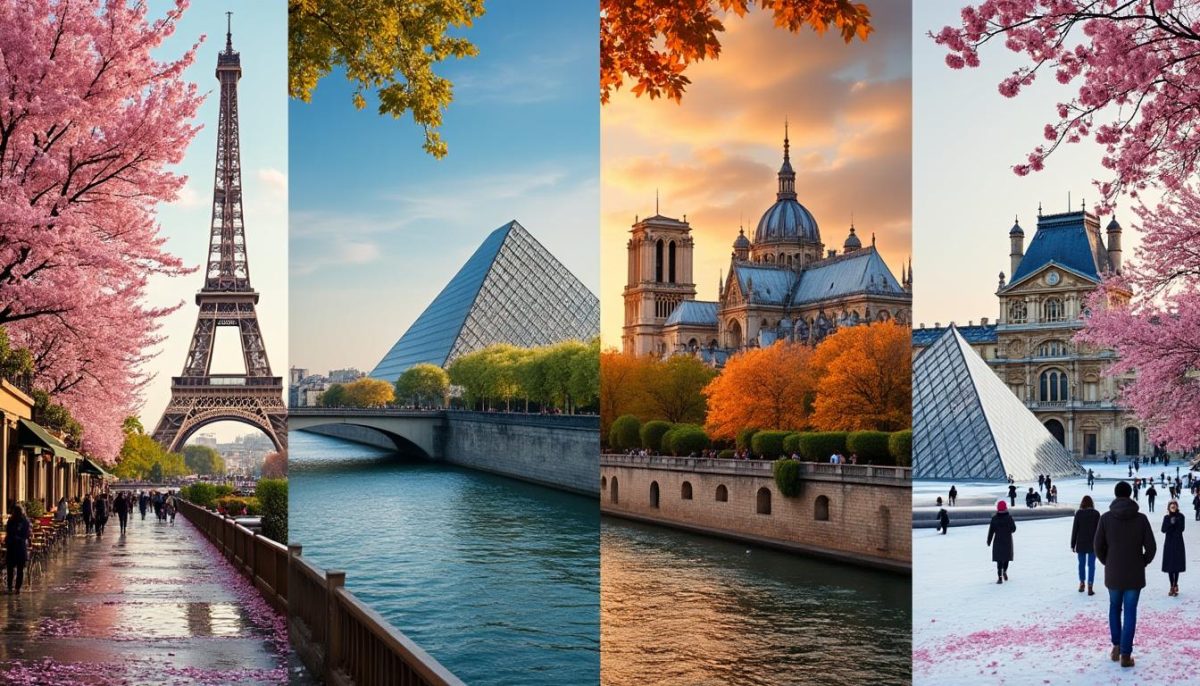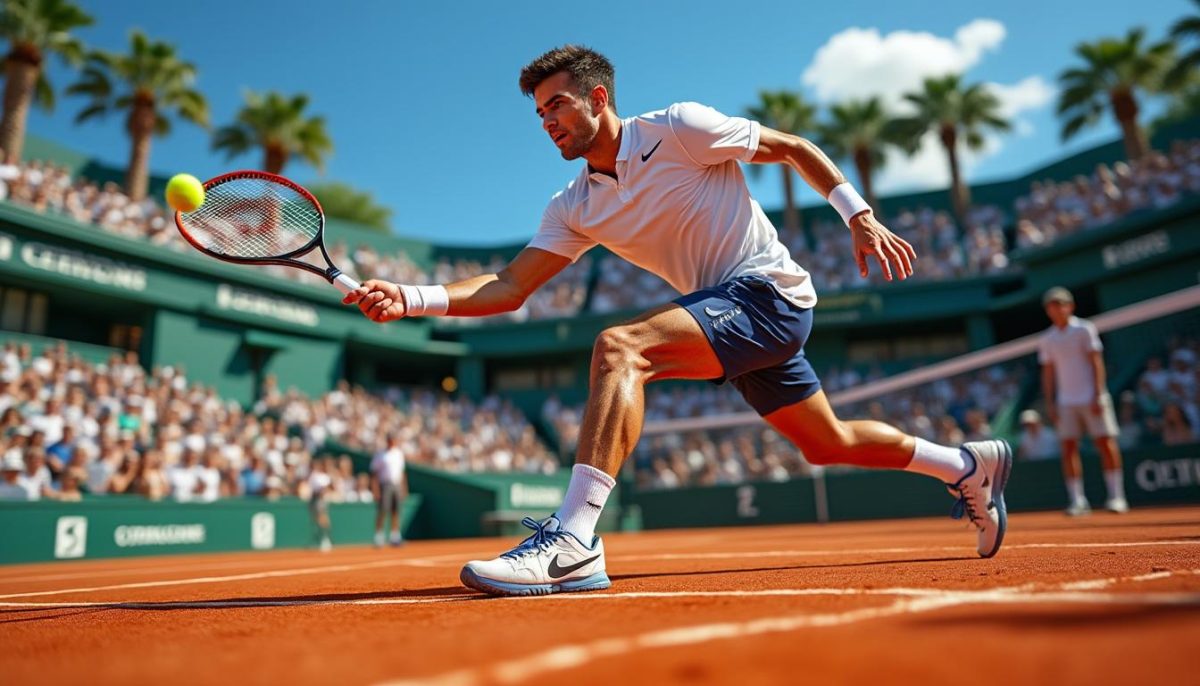
Every May, the world of tennis turns its gaze to Paris, where the French Open, known as Roland Garros, captivates audiences with its rich traditions and unique challenges. This prestigious tournament is not just another event on the Grand Slam calendar; it represents the pinnacle of clay court tennis, drawing thousands of fans eager to witness the sport’s finest athletes compete in an atmosphere filled with passion and history. Amidst the vibrant red clay and the iconic stadiums, the players showcase extraordinary skill while navigating the complexities of one of the most demanding surfaces in professional sports. As they slide and glide across the courts, creating clouds of dust and excitement, both players and spectators bask in the unique ambiance of this remarkable championship.
Roland Garros has evolved dramatically since its inception in 1891, beginning as a national championship open only to players from French clubs. Over the years, it transformed into the first Grand Slam tournament to allow both amateurs and professionals. This historic pivot in 1968 paved the way for a new era in tennis, enhancing the competitive spirit that makes the French Open a hallmark of the sport. Unlike other major tournaments, the clay courts play a central role, influencing not just the game’s pace, but also the strategies employed by the world’s greatest players. Buckle up, as we delve deeper into the legendary facets of the French Open.
The Unique Charm of Clay Courts at Roland Garros
The red clay courts of Roland Garros are emblematic of the French Open, evoking a sense of history and tradition that resonates deeply with fans and players alike. Clay has unique characteristics compared to grass or hard courts; it slows down the ball, leading to higher bounces and longer rallies. This dynamic creates an environment where athletic endurance, patience, and strategy become critical elements for success. Players must adjust their playing styles, employing tactics that emphasize consistency and placement over raw power.
For instance, Rafael Nadal, regarded as the ‘King of Clay,’ has thrived on this surface, accumulating an astounding record of victories at Roland Garros. His tenacious playing style and ability to construct points over extended rallies have made him a formidable opponent on this surface, showcasing the intense physical demands placed on players. In contrast, players like Roger Federer, known for his aggressive approach, have had to adapt their strategies, highlighting the versatility required to succeed on clay.
This unique playing surface not only alters strategies but also affects the players’ physical conditioning. Due to the slower nature of clay, matches often extend over multiple sets, particularly in the Men’s Singles, where the absence of a tiebreak in the final set can lead to grueling battles. This aspect adds layers of mental and physical endurance tests that go beyond mere skill, amplifying the emotional stakes of each match.
The Historical Evolution of Roland Garros
Tracing the roots of the French Open reveals a rich tapestry intertwined with the culture of tennis in France. The tournament evolved from modest beginnings in 1891 to a grand spectacle that celebrates international talent. Initially exclusive to French club members, the tournament opened its gates to the world, marking a significant shift in its evolution.
The transformation in 1968 into an open championship changed the landscape of professional tennis forever. This pivotal moment allowed the best players globally to compete, capturing the essence of competition that the French Open embodies today. Over the decades, Roland Garros has provided a platform for legendary matches that echo through time, such as the epic final between Björn Borg and John McEnroe in 1980. These iconic moments contribute to the tournament’s storied legacy, attracting passionate spectators to Paris each year.
Championships and Iconic Players
In examining the history of the French Open, it’s impossible not to highlight the illustrious champions that have graced its courts. From past legends to today’s superstars, each player contributes to the vibrant narrative of Roland Garros. Stars like Chris Evert and Martina Navratilova stand as titans of women’s tennis, showcasing incredible skill and resilience that have influenced generations. Their triumphant runs—marked by relentless determination—remain etched in the annals of tennis history.
However, it’s the current era, featuring players like Ashleigh Barty and Novak Djokovic, who continue to elevate the tournament’s prestige. The competition remains fierce, with Djokovic pursuing history to solidify his place amongst the greatest players in the sport. Each match brings forth the unique stories of tenacity and ambition, as these athletes battle not just for victory, but for their place in the evolving lore of the French Open.
| Player | Victories | Significant Contributions |
|---|---|---|
| Rafael Nadal | 14 | Record holder, dominant on clay |
| Chris Evert | 7 | Titan of women’s tennis, pioneered interest |
| Novak Djokovic | 2 | Contender for greatest of all time |
| Ashleigh Barty | 1 | Revolutionized women’s game, modern gameplay |
The Culture and Atmosphere of Roland Garros
One cannot discuss the French Open without acknowledging the vibrant atmosphere that envelops Roland Garros. The combination of elegant Parisian culture and the excitement of top-tier tennis makes this event a unique spectacle. Spectators dressed in their finest attire fill the stands, creating a colorful ambiance that amplifies the event’s prestige.
Amidst the matches, fans indulge in culinary delights, from classic French cuisine to pastries that tantalize the taste buds. Food stalls offering regional wines and cheeses add a gastronomic layer to the experience, turning simple viewing into a celebration of French culture. The energy of the crowd escalates as players perform, their every move dissected by knowledgeable spectators eager to witness tennis excellence.
Accessing the French Open: Tickets and Logistics
If one aspires to experience the thrill of live matches at Roland Garros, advance planning is essential. Well in advance, tickets typically go on sale around mid-February, and they often sell out quickly. Fans eager to catch the action should be prepared, as purchasing tickets for the coveted later stages of play or prime seating can be highly competitive. To facilitate this process, the official Roland Garros ticketing site provides a streamlined experience for securing coveted entry to the event.
Choosing accommodation is another critical facet of the experience. Staying near Roland Garros not only saves precious time but allows visitors to soak in the Parisian atmosphere during their stay. Various hotels cater to diverse preferences, ranging from luxury to budget-friendly options, ensuring that every attendee’s needs are met. Proximity to public transport can simplify commutes and enhance the experience of exploring Paris between matches.