Traveling to France is an exciting adventure, offering a myriad of cultural experiences, tantalizing cuisines, and picturesque landscapes. However, one of the key aspects of ensuring a smooth journey through Paris and beyond is effective communication. Although many Parisians understand English, grasping some essential French phrases can significantly enhance your experience. When you make the effort to speak even a little French, it builds a bridge of goodwill, helping you connect with locals in a more authentic way. This article will explore an array of useful French expressions that will facilitate interactions, making your stay in France more enjoyable.
Essential French Phrases: Starting with the Basics
Communication begins with the most fundamental questions. Understanding how to ask, “Parlez-vous anglais?” (Do you speak English?) can set a positive tone for your interactions. While many in French tourist areas speak English, politely inquiring shows respect for the local language and culture. This simple phrase can often lead to helpful assistance, even if the response is just a simple nod or shake of the head.
When using phrases, context is everything. For instance, when approaching someone, a friendly “Bonjour” (Hello) initiates a warm interaction. If they respond to your French with excitement or gratitude, you may find that your willingness to use their language opens doors to richer conversations. Following up with “Je ne comprends pas” (I don’t understand) can help clarify communication without feeling lost. The value of basic French phrases in such scenarios cannot be overstated, as they provide a framework for further dialogue.
Integrating these expressions into everyday conversations can be a game-changer. Whether you are ordering food, asking for directions, or seeking assistance, a simple phrase like “Je voudrais” (I would like) can replace the more forceful “Je veux” (I want). It’s not only more polite but also is aligned with the French ethos of courtesy. If you are at a bakery, you might say, “Je voudrais deux croissants” (I would like two croissants), which not only conveys your order but does so in a way that is respectful of their service.
Politeness: The Key to Communication
Politeness forms the bedrock of French culture. Words like “s’il vous plaît” (please) and “merci” (thank you) are pivotal and should be included in every interaction. Using these phrases can create a welcoming atmosphere and often lead to friendlier responses. For example, when dining at a café, saying “Un café, s’il vous plaît” is not only courteous but expected.
In moments of uncertainty or when needing assistance, phrases such as “Pouvez-vous m’aider?” (Could you help me?) and “Je suis désolé” (I’m sorry) can greatly enhance the likelihood of receiving helpful responses. The French appreciate when their language is genuinely used. Engaging with locals using their treasured expressions can result in deeper connections and authentic experiences.
Additionally, recognizing that learning a few expressions can be challenging for non-native speakers, locals usually respond with patience. Phrases such as “Repétez, s’il vous plaît” (Repeat, please) can not only aid understanding but also show your eagerness to grasp their language. This proactive attitude can evoke positive responses from the French, who generally value good manners over linguistic expertise.
Travel Language Essentials: Getting Around in France
When navigating through various facets of travel, certain phrases become indispensable. Understanding how to ask, “Combien ça coûte?” (How much does it cost?) is particularly critical in markets, shops, and restaurants. This phrase will come in handy whether you are buying souvenirs or enjoying a gourmet meal. You could use it as follows: “Pardon, mademoiselle, combien ça coûte?” to ensure you are getting the assistance you need.
Moreover, when trying a local dish at a restaurant, using “Je prends” (I’ll have) allows you to confidently place your order. For example, to order a classic roasted duck, you might say, “Je prends le canard rôti.” Not only does this clarify your choice, but it also reflects your commitment to embracing the French dining experience.
To manage your expectations while waiting at establishments, employing the phrase “Pas encore” (Not yet) can provide a useful pause. If you’re still deciding on what to order, this polite expression gives you time without feeling rushed. Such nuanced phrases contribute to a more enjoyable dining experience, allowing you to savor the moment rather than feel pressure.
Dining and Shopping: Essential French for Travelers
Dining in France is an art in itself, with its own set of unwritten rules and etiquette. Mastering phrases like “Je voudrais une tasse de thé” (I would like a cup of tea) or “Je voudrais le menu” (I would like the menu) can help you seamlessly navigate your orders. When dining, it’s also essential to express appreciation after the meal. Saying “Merci” or “De rien” (You’re welcome) after receiving service reinforces respectful interaction.
Shopping is another revealing avenue through which phrases come into play. For instance, asking “Où sont les toilettes?” (Where are the restrooms?) is crucial during a day of exploration. Likewise, knowing how to seek assistance by saying “Pourriez-vous m’aider?” compounds your abilities when interacting with shopkeepers and sales personnel. This willingness can make a significant difference in how they perceive and assist you.
Furthermore, using phrases to negotiate or inquire about items can be enriching. When browsing through a local market, the phrase “Je veux savoir plus sur ce produit” (I want to know more about this product) might encourage sellers to share information you’re seeking. Engaging in this colloquial environment allows for a more immersive experience in French culture.
Creating Cultural Connections with Language
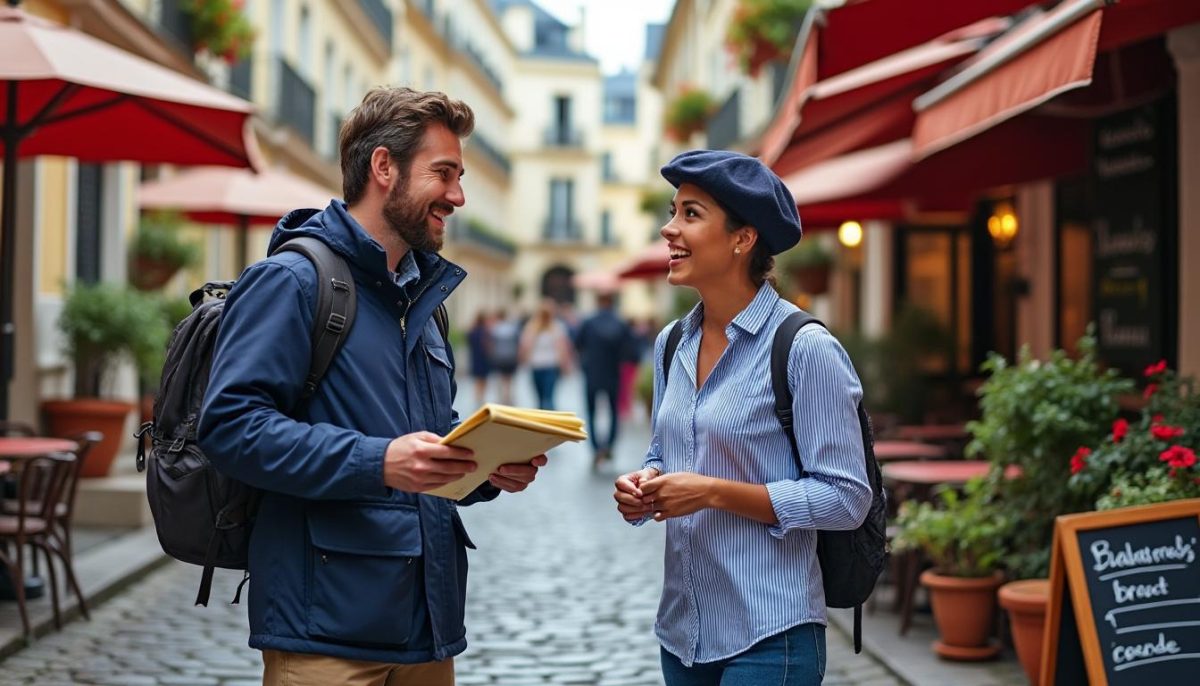
Instead of seeing the language barrier as a hurdle, viewing it as an opportunity for connection can empower you. Utilizing phrases like “Je viens de…” (I am from…) introduces local context into conversations. Sharing where you are from not only initiates dialogue but also encourages locals to share their experiences and insights. People often appreciate such exchanges, and this interaction cultivates a richer travel experience.
Making your journey more personal through language might also inspire others to engage further, showing genuine interest in your story and experiences. It is often said that a kind smile and a few words can detour doubts in unfamiliar environments. The use of local phrases goes hand in hand with a smile, creating an atmosphere of camaraderie. Each time you ask for help or share your background, ask which local spots they recommend, you might just discover hidden gems loved by the locals.
Furthermore, utilizing local phrases while enjoying attractions can create an inviting atmosphere. By simply saying “Bonjour” upon entering a gallery or shop, you set a friendly tone for your visit. Your effort in using their language often results in a friendlier demeanor from shopkeepers and waitstaff alike, enhancing your overall experience. At eateries, sharing enthusiasm about their city can elicit engaging conversations about culture and history, often leading to recommendations of places to visit or dine.
| French Phrase | Translation | Context of Use |
|---|---|---|
| Parlez-vous anglais? | Do you speak English? | Initiating a conversation |
| Je ne comprends pas | I don’t understand | When clarity is needed |
| Combien ça coûte? | How much does it cost? | Shopping inquiries |
| Je voudrais… | I would like… | Placing orders |
| Pouvez-vous m’aider? | Could you help me? | Asking for assistance |
Through the lens of language, travel becomes an enriching experience, fostering connections that are deeply personal and culturally significant. By embracing the local language, travelers carve out a place in the vibrant tapestry of French culture. Whether navigating the bustling streets of Paris or enjoying a meal in a quaint bistro, these essential phrases allow you to absorb the true essence of France.