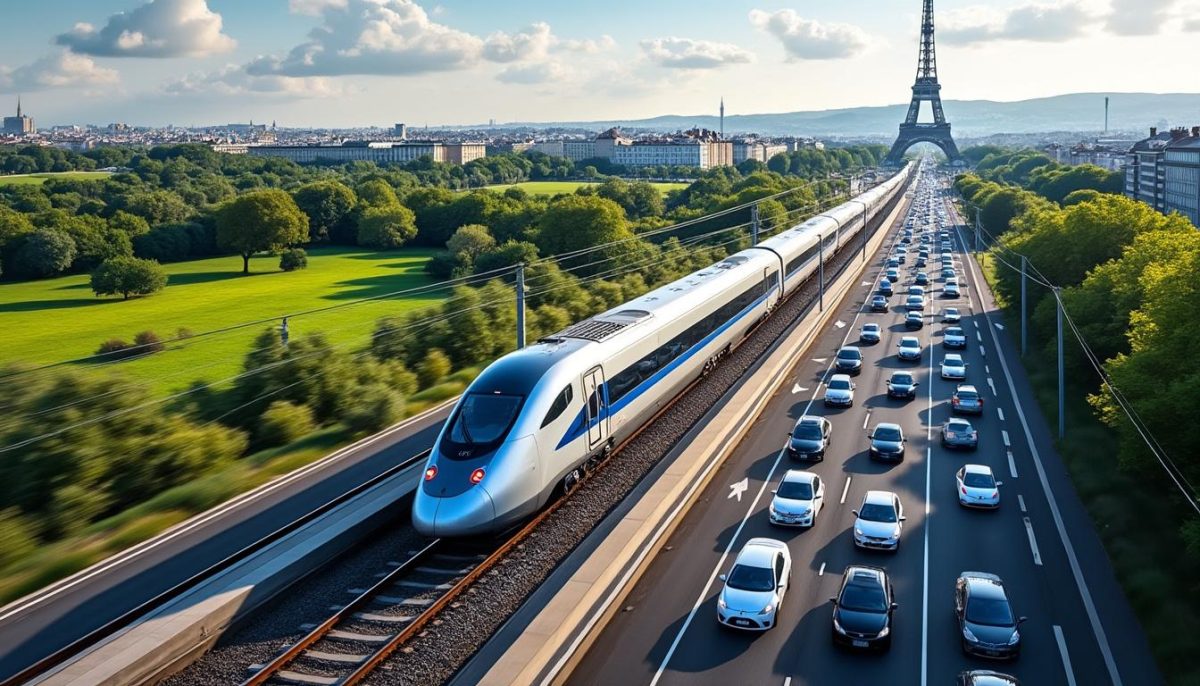
Traveling through France offers an incredible opportunity to witness the diversity of its landscapes, culture, and history. The debate between driving and using French trains to navigate from Paris to various destinations is a topic that brings passionate responses from travelers. While driving may seem appealing to those desiring freedom and flexibility, the benefits of train travel often outweigh those associated with the open road. With its extensive railway network, remarkable speed, and comfort, taking the train becomes a compelling choice for anyone looking to explore France without the stress that driving can entail.
As the year 2026 approaches, the advancements in French railways promise even greater efficiency and comfort. The French culture deeply values social engagement, and what better way to connect with the richness of it than traveling by train? The hustle and bustle at the train stations can serve as an enriching experience in itself. These stations come alive with a mix of locals and tourists, each with a story to tell. The ease of access to public transit allows one to enjoy extraordinary sights in relaxation, without the hassle of navigating unfamiliar roads.
The Advantages of Train Travel in France
One of the most significant advantages of choosing trains over cars for travel in France is the speed they offer. The TGV, or Train à Grande Vitesse, has revolutionized travel across the country by providing high-speed rail service that connects Paris to other major cities like Lyon, Marseille, and Bordeaux in a matter of hours. For example, a trip from Paris to Marseille can take a mere three hours compared to the average six to eight-hour drive, depending on traffic conditions.
Comfort is another essential factor. French trains offer spacious seating and the opportunity to move around during the journey. Passengers can stroll to the dining car for a meal or grab a drink without the constraints of seatbelts or traffic laws. Additionally, the onboard amenities provide a level of comfort that is often incomparable to long hours spent in a vehicle. There is also the opportunity to use travel time productively — reading, working, or simply enjoying the beautiful landscapes of the French countryside without distractions.
Moreover, the environmental impact of trains is considerably lower than driving. By choosing train travel, one contributes to a more sustainable form of transportation that reduces carbon footprints. According to recent studies, train travel emits up to 70% less CO2 per passenger compared to cars, making it a more ecological way of traveling.
Convenience and Accessibility
For many travelers, the convenience of accessing train routes is a game-changer. France’s SNCF train network connects remote destinations as well as major urban centers, allowing for flexibility in travel options. For instance, a visitor can easily hop on a train from Paris and be whisked away to places like Dijon or Avignon, famous for their cultural landmarks and culinary delights.
This accessibility is enhanced by the ability to book tickets online, allowing travelers to plan their journeys well in advance. Moreover, most train stations are conveniently located in city centers, providing easier access to accommodations and attractions. Picking up a rental car after arriving by train can be a much less stressful process compared to navigating out of Paris and dealing with traffic. Picking up a car from a railway station facilitates exploring local vineyards, picturesque towns, and hidden gems without the worry of a long car ride to reach them.
Let’s consider a destination like Burgundy, a region famed for its gastronomy. With a short train ride to Dijon, one can easily pick up a rental from the station. From there, the lush vineyards await exploration. Websites like Exploring Burgundy Itineraries provide users with detailed guidance for discovering everything this region offers, from delightful bistros to scenic landscapes, making the journey even more rewarding.
Driving Versus Train: What to Consider
While driving affords a specific sense of freedom, the downsides cannot be ignored. Paris, known for its vibrant atmosphere, can also present driving challenges. Traffic congestion often turns even the simplest journeys into crossword puzzles of frustration. Moreover, parking in urban settings can be expensive and time-consuming, with many areas requiring advanced reservations.
In contrast, traveling via French trains means avoiding the responsibility of navigating these complexities. Trains also run on strict schedules, allowing travelers to plan with confidence. Anyone who has experienced the unpredictability of road traffic can appreciate the reliability trains offer. The journey becomes less about the stress of navigation and more about enjoying the beautiful scenery unfolding out of the window.
Unique Experiences on the Railway
Beyond mere convenience and speed, train travel offers unique cultural experiences hard to achieve when driving. Onboard, you may encounter diverse fellow passengers, from travelers sharing stories to locals offering insights into their homeland.
A memory worth sharing is a dining car experience, where one can relish authentic French cuisine while cruising past idyllic countryside. It feels markedly different from fast food stops along the highway. Classic meals spotlight the rich culinary heritage of regions you may pass through. The gastronomy of regions like Provence or Normandy becomes part of the travel experience, enhancing one’s appreciation of the sights and sounds outside the window.
This integration of culinary and cultural experiences isn’t only for the gourmet enthusiasts. Families can benefit, too. Traveling by train allows families to engage with one another, making the journey as enjoyable as the destination itself. My recommendation for families is to explore train routes that arrive near children-friendly attractions, like Disneyland Paris, while enjoying the camaraderie of a shared experience.
Final Thoughts on France’s Elegant Railway System
As one embarks on this journey to explore the grandeur of France, the choice between train travel and driving ultimately pivots on what experience one seeks. Many who prefer the stress-free option seamlessly blend train travel with local experiences like visiting a museum or vineyard. The benefits of French trains, from speed and convenience to cultural immersion, clearly showcase why so many travelers opt for this refined mode of transportation.
The allure of France deserves to be experienced not just as a destination but as a journey. Embracing the captivating view of rolling hills, ancient châteaux, and expansive vineyards from the comfort of a train seat is an invitation too alluring to resist. If your journey begins in Paris, consider choosing the train to unlock the full essence of traveling through this remarkable country.
| Destination | Train Duration from Paris | Driving Duration from Paris | Unique Attractions |
|---|---|---|---|
| Marseille | 3 hours | 7 hours | Old Port, Calanques National Park |
| Dijon | 1.5 hours | 3 hours | Mustard Museum, Wine Tasting |
| Avignon | 2 hours 40 minutes | 7 hours | Pope’s Palace, The Bridge of Avignon |
| Strasbourg | 1 hour 45 minutes | 5 hours | European Parliament, La Petite France |