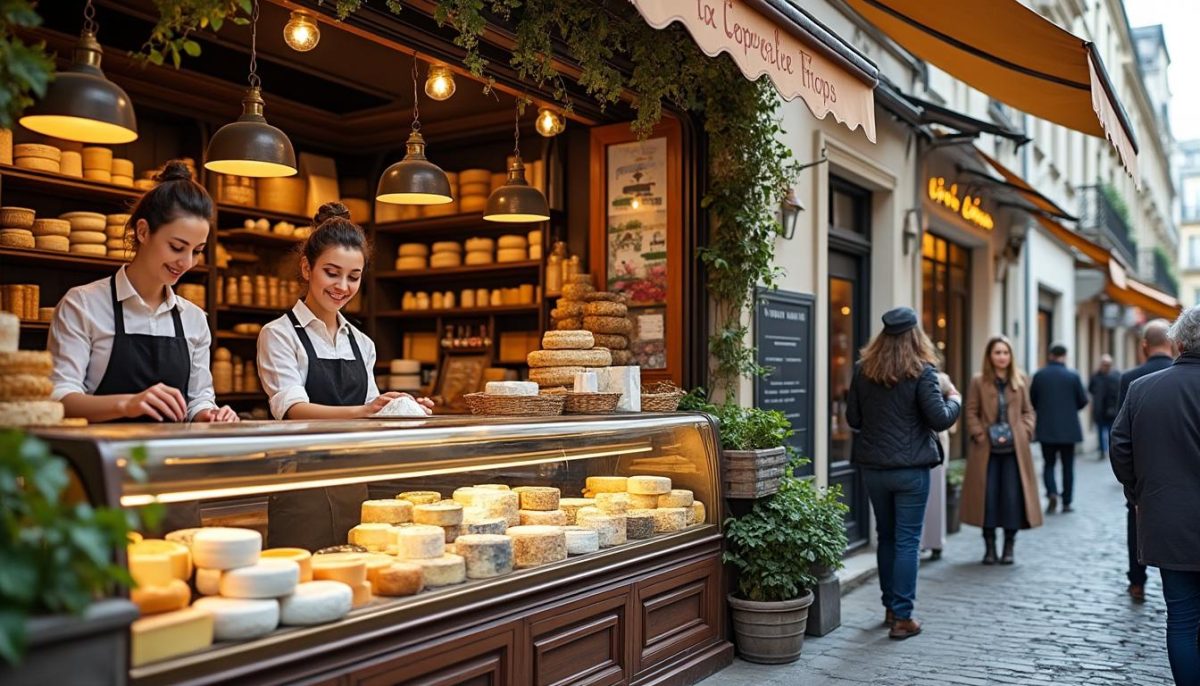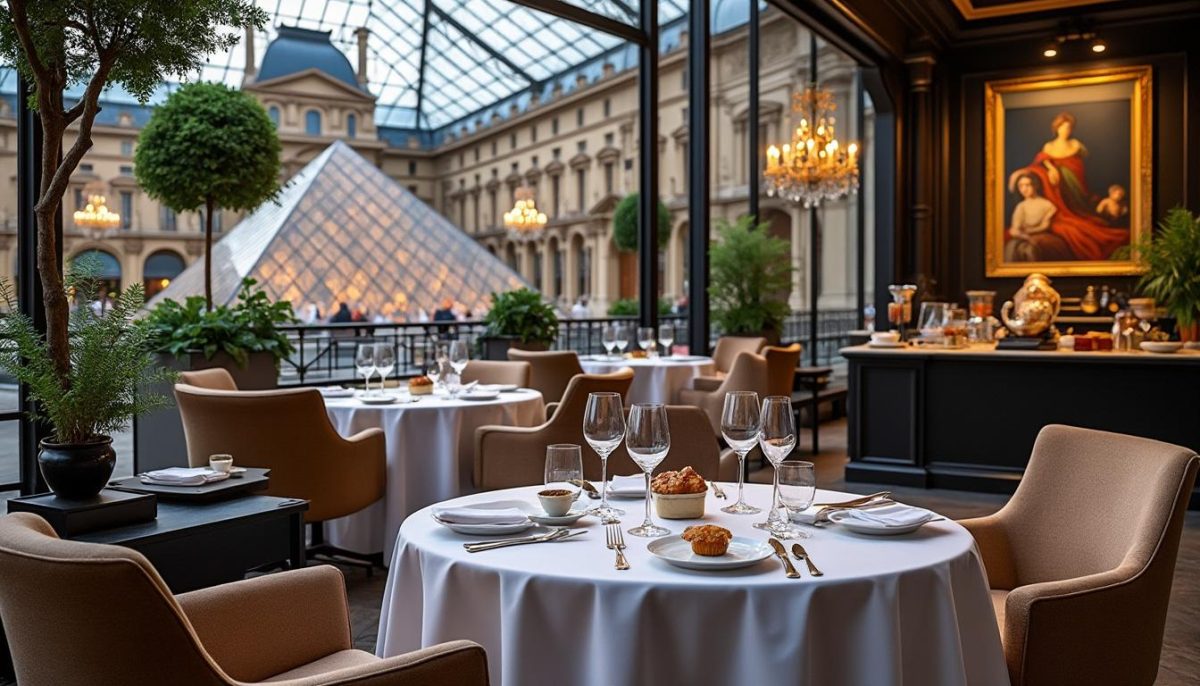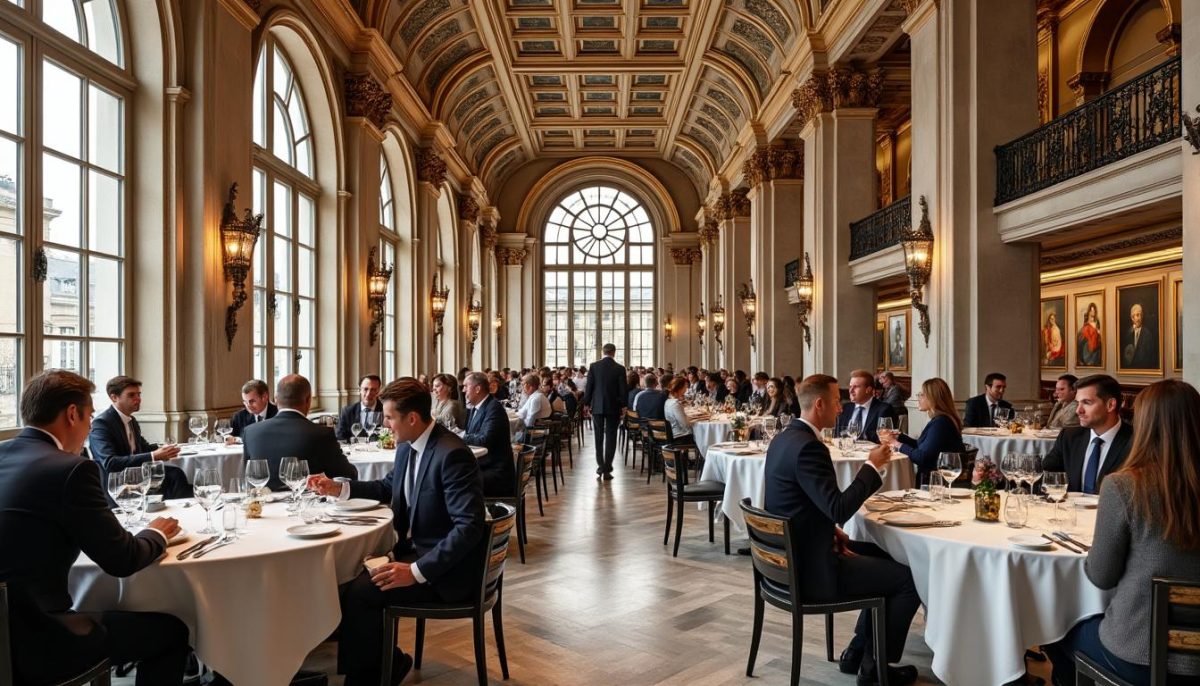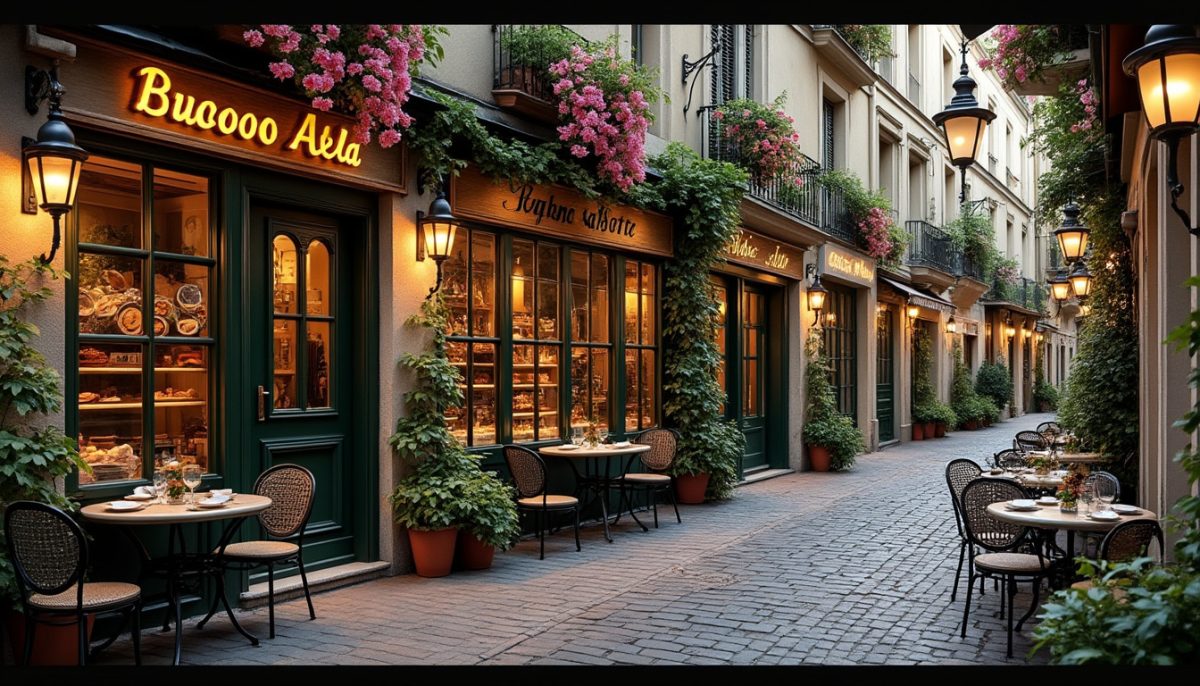
In the vibrant tapestry of Paris, where history meets modernity, there exists a realm of culinary treasures awaiting discovery. While tourists flock to iconic landmarks and well-trodden cafes, many hidden gems lie tucked away, whispering the secrets of authentic Parisian dining. These bistros, often missed by the average visitor, offer more than just a meal; they provide an intimate connection to the city’s rich gastronomic heritage. From cozy corners in the Marais to secret retreats in Le 15ème, these establishments promise not just food, but a taste of Parisian life as the locals know it. Unearthing these hidden bistros is akin to peeling back layers of the city, revealing flavors and stories unknown to the mere tourist’s eye.
Understanding the Legacy of Parisian Bistros
To appreciate the allure of hidden Parisian bistros, it is essential to understand their history. The roots of the bistro can be traced back to the early 19th century when they served as modest eateries for the working class. Unlike the opulent restaurants that showcased elaborate dishes, bistros offered hearty, home-style meals that were both comforting and affordable. As Paris evolved, so did the bistro, transforming into a space where innovative chefs began to redefine French cuisine using traditional ingredients.
In the early 1990s, a culinary revolution took hold, led primarily by young chefs who migrated to less-trafficked arrondissements to establish bistros that delivered gourmet meals at reasonable prices. These visionary chefs, including the likes of Thierry Breton and Yves Camdeborde, broke free from the constraints of haute cuisine, shifting the focus to authenticity and simplicity. They revitalized the concept of the bistro, embedding a culture of creativity while honoring the culinary traditions that define French food.
Today, bistros reflect a balance between heritage and innovation. They proudly serve dishes that are deeply rooted in French culture but with a modern twist. Dining in these hidden spots is not just about; it is an experience and a connection to the city’s evolving gastronomic narrative. To many Parisians, these bistros symbolize community and a lifestyle that celebrates quality, camaraderie, and creativity.
The Magical Ambiance of Hidden Bistros
When stepping into a hidden bistro, diners often find themselves enveloped in a unique ambiance that starkly contrasts with bustling tourist traps. The decor is often a blend of rustic charm and personal touches, with dim lighting, vintage posters, and mismatched furniture that exudes character. Such environments invite guests to linger, savoring their meals while conversing animatedly with friends or family.
Take, for example, L’Os à Moelle, located in the 15th Arrondissement. The restaurant not only offers delicious dishes like the famed cream of mushroom soup but also a warm atmosphere where familiarity reigns. Guests are welcomed into an intimate dining room where Chef Thierry Faucher often mingles with patrons, enhancing the sense of community that defines the Parisian experience. In a world where dining can often feel transactional, these bistros remind us of the joy found in meals shared and stories exchanged.
Moreover, many hidden bistros craft seasonal and locally inspired menus that change frequently, amplifying the excitement for both locals and adventurous tourists. These bistros engage with nearby markets and utilize fresh produce, showcasing the best of what Paris has to offer during different times of the year. The importance of this connection to the local community cannot be overstated; it creates an authentic dining experience that extends beyond just food.
A Gastronomic Journey: Signature Dishes in Hidden Bistros
The culinary offerings in these hidden bistros are a testament to the devotion of their chefs, who pour their hearts into every dish. From classic French recipes to avant-garde creations, the menus tastefully reflect the essence of French cuisine. At Chez Michel, for instance, one can savor the aroma-laden fish soup, an homage to the chef’s Breton roots. The use of high-quality ingredients bodes well for each dish, ensuring diners experience the true flavors of France.
At La Régalade, Chef Bruno Doucet maintains a commitment to traditional techniques while allowing his past influences to shine. Signature creations, such as the roasted caramelized pork, deliver flavors that evoke deep-rooted connections to the land and its bounty. Here, meals transport diners to the heart of French culture, where traditional dishes are cherished and celebrated.
| Bistro Name | Signature Dish | Location |
|---|---|---|
| Chez Michel | Fish Soup | 10th Arrondissement |
| La Régalade | Roasted Caramelized Pork | 1st Arrondissement |
| L’Os à Moelle | Cream of Mushroom Soup | 15th Arrondissement |
| Frenchie | Modern Bistro Dishes | 2nd Arrondissement |
| Jacques Faussat | Regional Specialties | 17th Arrondissement |
The artistry of the chefs often extends beyond the kitchen. The presentation of dishes is a crucial aspect of the dining experience, ensuring that each meal is not only delicious but also visually striking. Such dedication captures the imagination of diners, further enhancing their overall experience. The chefs’ artistic flair brings an additional layer of enjoyment to hidden bistros, elevating them from mere eating establishments to destinations worth exploring.
Exploring the Neighborhoods: A Map to Hidden Gems
To truly experience the beauty of these hidden gems, one must be willing to wander through the lesser-known neighborhoods of Paris. Each arrondissement holds its unique character, and often, the most delightful surprises lie on quiet streets, away from the tourist crowds. Exploring areas like the 13th Arrondissement or the charming side streets of Montmartre reveals not just restaurants but an authentic glimpse into daily Parisian life.
In the 2nd Arrondissement, a visit to Frenchie—a bistro with strong ties to its local community—allows diners to indulge in inventive modern cuisine. Chefs here embrace experimentation while still honoring traditional French dishes. The energy of this neighborhood, coupled with the innovative spirit of Frenchie, makes it a must-visit for food enthusiasts.
Moreover, the Marais district showcases numerous undiscovered eateries that blend the old with the new. Cafes and bistros are often located within historic buildings, creating an atmospheric space where diners can savor traditional recipes alongside contemporary interpretations. Such places reveal the ongoing narrative of Parisian gastronomy, allowing visitors to appreciate its vibrant evolution.
The Allure of Hidden Bistros: Why They Matter
Hidden bistros represent more than just dining establishments; they embody the essence of Parisian culture. In a fast-paced world, these eateries provide a reprieve, inviting patrons to slow down and truly appreciate the nuances of French cuisine. Their charm and authenticity make them a vital component of the Parisian experience, ensuring that both locals and curious travelers can enjoy meals steeped in tradition and heart.
For anyone lucky enough to stumble upon these hidden gems, the experience becomes a cherished memory, often shared eagerly amongst friends and family. Dining in these bistros creates connections that transcend the plate, fostering a deep appreciation for the art of food that Paris holds dear. As the culinary landscape in Paris continues to evolve, it is the hidden bistros that will forever remain a beloved secret to those who seek to explore the city’s hidden culinary treasures.