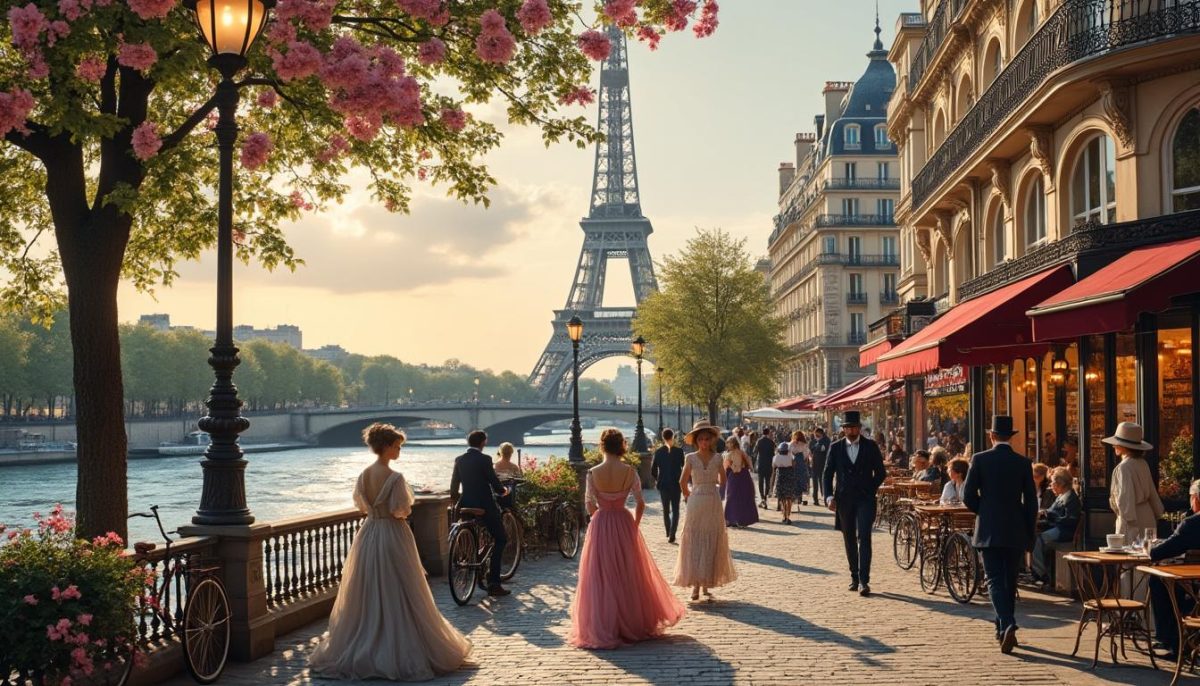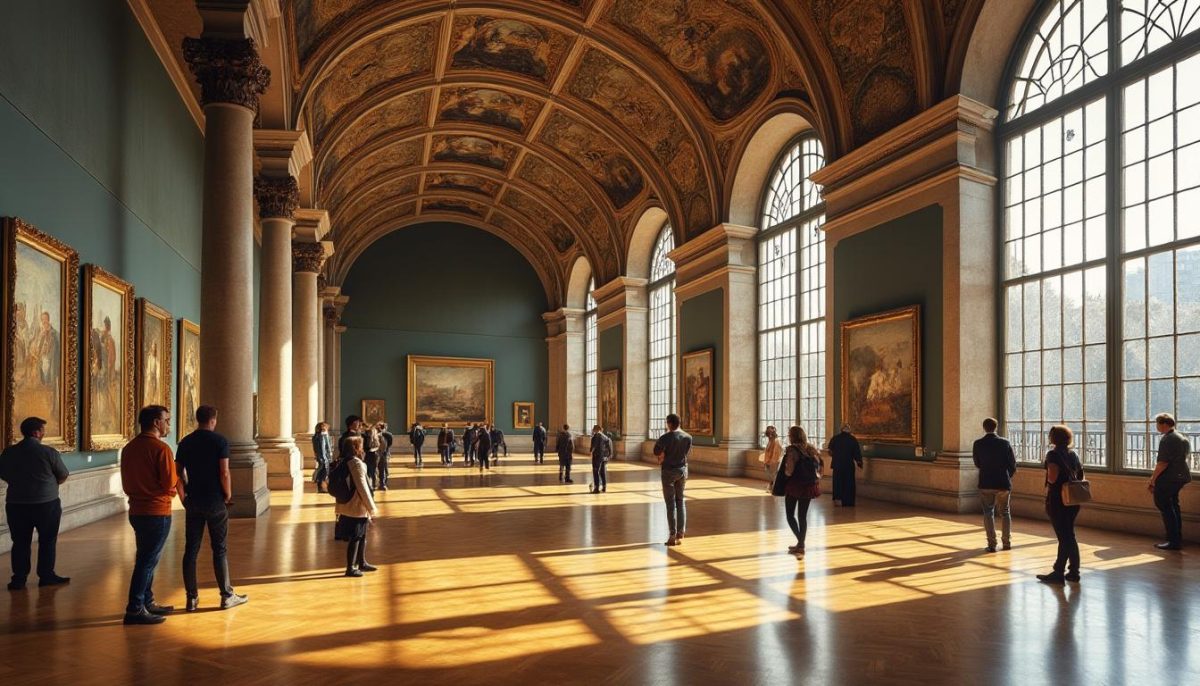
Paris is a city steeped in history, art, and culture, where every corner tells a story. Among its treasures, the Musée d’Orsay stands tall as a beacon of Impressionism, housing a remarkable collection that captures the spirit of French art from the late 19th century. The museum, set in a stunning former railway station, is not just a place to view art; it’s an immersive experience that transports visitors into the world of renowned artists like Claude Monet, Edgar Degas, and Pierre-Auguste Renoir. As we stand on the cusp of a new era in 2026, this guide explores the eight pivotal exhibitions that shaped Impressionism, drawing audiences with their revolutionary approach and vivid expressions, and how these events have influenced modern art history.
From their defiant beginnings to their eventual acceptance in the art establishment, the story of these exhibitions unfolds like a captivating novel. Each show is a chapter filled with the rebellion of artists who dared to break away from the rigidity of academic norms. These exhibitions not only introduced innovative techniques and themes but also allowed artists to showcase their works outside the traditional salon setting. This article bites into the essence of art history as we navigate through time, revisiting the milestones of the Impressionist movement and their lasting impact on contemporary art.
The Birth of a Movement: The First Impressionist Exhibition (1874)
The inaugural Impressionist exhibition opened its doors on April 15, 1874, at the studio of the photographer Nadar, located at 35 Boulevard des Capucines. This was a pivotal moment that would redefine the landscape of French art. A collective known as the Anonymous Society of Painters, Sculptors, Printmakers displayed 165 works from 30 artists, including trailblazers like Claude Monet, Edgar Degas, and Camille Pissarro. Among the featured artworks was Monet’s groundbreaking piece, *Impression, Sunrise*, which inadvertently lent its name to the entire movement.
Set against the backdrop of the state’s rigidly controlled Salon exhibitions, this event was a breath of fresh air. Artists frustrated by rejection came together, pooling resources to rent the Nadar studio for a month-long exhibit. The walls were decorated with a vibrant red, reflecting the energy and passion of the movement. Admission was set at one franc, while the catalogue, edited by Renoir’s brother Edmond, was sold for a mere fifty centimes. By the time it closed on May 15, the exhibition had drawn over 4,000 visitors, marking art history in the making.
This event shattered the norms of the art world. While critics remained divided—some panning the works for their perceived unfinished quality—more progressive voices recognized the importance of this modern approach. The resonance of this exhibition laid the foundation for several more, shaping the trajectory of Impressionism as a legitimate and celebrated genre.
The Evolution of Style: Subsequent Exhibitions (1876-1886)
Following the groundbreaking success of the first exhibition, the subsequent Impressionist exhibitions showcased the evolution of the movement, progressing through a series of unique creative endeavors. The second exhibition, held in 1876 at the Durand-Ruel Gallery, featured 250 pieces by twenty artists, many of whom were venturing further into the realms of everyday life. Gustave Caillebotte’s *Les Raboteurs de Parquet* exemplified this, capturing working-class life through an unconventional lens.
Each of the eight exhibitions revealed the artists’ attempt to explore broader themes and refine their techniques. For instance, the third exhibition in 1877 marked a turning point. Here, the artists embraced their identity as “Impressionists”, with Degas inviting American Mary Cassatt into their fold. Monet, struggling financially, showcased significant pieces like his series from Gare Saint-Lazare, while Renoir dazzled audiences with *Le Bal du Moulin de la Galette*.
The fourth exhibition in 1879 introduced new talents alongside the established names. It attracted about 15,000 visitors, showcasing works from Paul Gauguin and Mary Cassatt, while Monet displayed *Rue Montogrueil*, capturing the bustling life in Paris adorned with French flags. As the movement gained traction, each exhibition took on a life of its own, contributing uniquely to the evolution of French art.
Exploring the Works: A Closer Look at Iconic Art Pieces
The heart of the Musée d’Orsay lies in its vast collection, which includes masterpieces created during these pivotal exhibitions. Visitors can immerse themselves in the artistic brilliance of Monet, Degas, and their contemporaries. For instance, *Petite Danseuse de 14 Ans* by Degas, showcased during the sixth exhibition, epitomizes the sculptor’s fascination with movement and form, while also hinting at the modernist trends that would follow.
Moreover, the seventh exhibition in 1882 displayed *The Luncheon of the Boating Party*, a masterpiece by Renoir that captured a vibrant social scene filled with joy and intimacy. This work exemplifies how the Impressionists intertwined their personal experiences with broader social narratives, transforming the way art interacted with contemporary life.
As we analyze these key pieces, it becomes evident how these artists not only reinforced their distinct styles but also challenged the viewer’s perceptions. Critiques of their earlier works evolved into widespread appreciation, bridging the gap between traditional and modern art. The museum serves as a comprehensive museum guide through this journey, detailing the artists’ intentions and the societal changes they reflected in their artworks.
The Legacy of the Impressionist Exhibitions
The final Impressionist exhibition in 1886 marked a significant milestone, setting the stage for the evolution of art movements that followed. By this time, commercial galleries were becoming the dominant force in the art market, leading many artists to seek opportunities outside the confines of official exhibitions. The emergence of post-Impressionism became apparent, with Georges Seurat’s *Un Dimanche Après-Midi à l’Île de la Grande Jatte* making its debut, signaling a shift in the stylistic approach towards a more structured representation.
This final exhibition combined the talents of returning artists and new faces alike, showcasing a collective history of the movement. Artists like Degas, Cassatt, and Renoir reunited, demonstrating the enduring bonds forged through their shared artistic journey. Even as they diverged into different styles, their collective contributions shaped an entire era, solidifying their legacy in art history.
The impact of these exhibitions continues to resonate today. Modern artists and movements owe much to the groundwork laid by the Impressionists. As we step into 2026, the relevance of their work is palpable, influencing both established and emerging artists around the globe. The Musée d’Orsay proudly carries forward this legacy, ensuring that future generations remain connected to the revolutionary spirit of the Impressionist artists.
| Exhibition Year | Notable Works | Key Artists |
|---|---|---|
| 1874 | Impression, Sunrise | Monet, Degas, Pissarro |
| 1876 | Les Raboteurs de Parquet | Caillebotte |
| 1877 | Le Bal du Moulin de la Galette | Renoir, Degas |
| 1879 | Rue Montogrueil | Monet |
| 1880 | Jeune Femme en Toilette de Bal | Morisot |
| 1881 | Petite Danseuse de 14 Ans | Degas |
| 1882 | The Luncheon of the Boating Party | Renoir |
| 1886 | Un Dimanche Après-Midi à l’Île de la Grande Jatte | Seurat |
Planning Your Visit: Cultural Experience at the Musée d’Orsay
As you prepare for your visit to the Musée d’Orsay, it’s essential to understand what to expect and how to get the most out of this cultural experience. The museum not only houses an impressive collection of Impressionist artworks but also curates special exhibitions throughout the year that celebrate this era. To enhance your visit, consider a guided tour that can provide invaluable context and insight into the masterpieces you encounter.
Additionally, the museum offers a variety of resources for families, ensuring an engaging experience for visitors of all ages. Interactive guides and activities are available to enrich children’s understanding of art and history. Planning your visit in advance can also save you time; check the museum’s current exhibitions and special events, which can often be found on their website.
For those looking to enjoy a meal, the museum features dining options that reflect the Parisian culinary scene. A visit to the dining facilities at the museum makes for a delightful way to round off your day, allowing visitors to savor traditional French cuisine in a historic setting.