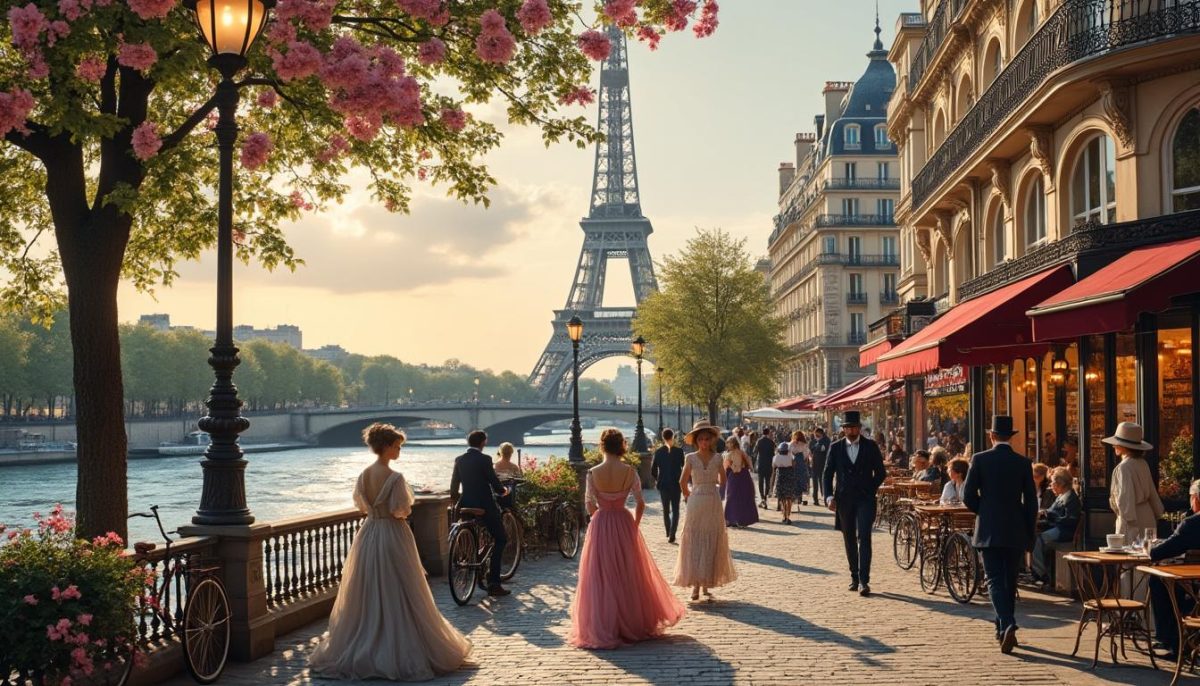
The Jardin des Tuileries, nestled between the grandeur of the Louvre and the historic Place de la Concorde, stands as a testament to Paris’ rich tapestry of culture and history. Since its inception in the 16th century by Catherine de Medici, this legendary garden has evolved into a beloved haven for both locals and tourists. As you wander through its sun-dappled pathways, it’s easy to see why visitors flock here to escape the hustle and bustle of city life. The air is filled with the scent of blooming flowers and the gentle hum of laughter from families enjoying a day out. The garden is not just a place to relax; it is a piece of living history that speaks volumes about the French cultural heritage.
This verdant paradise, spanning 28 hectares, serves as a perfect outdoor promenade, inviting guests to traverse its meticulously designed paths. You might find yourself pausing to admire stunning sculptures, many created by renowned artists, scattered throughout the garden. The Tuileries offers more than just scenic views; it encompasses layers of historical significance and artistic inspiration that reflect the soul of Paris. As you delve deeper into its history, from royal gatherings to Revolutionary fervor, the garden transforms into a narrative of resilience and beauty, capturing the essence of the French spirit.
A Journey Through History: From Marshland to Majestic Garden
The origins of the Jardin des Tuileries date back to 1564, when Catherine de Medici decided to establish a garden that would reflect the elegance of her native Italy. Originally a marshy terrain serving as a tile factory, this area was transformed by Catherine into a floral wonderland. With the help of skilled artisans, she commissioned an Italian Renaissance garden that would feature neatly organized flower beds, manicured lawns, and a series of pathways that created an inviting space for relaxation and entertainment.
A Symbol of French Royalty
The garden quickly became a center of social life among the French nobility. Envision lavish banquets and entertaining festivities held under the splendid canopies of trees, with Catherine hosting esteemed guests, including Queen Elizabeth I of England. The Tuileries served as a backdrop for royal celebrations, a place where history was written and re-written time and again.
However, the garden’s significance transcended mere leisure. It became a stage for pivotal events in French history. During the tumultuous times of the French Revolution, the Tuileries Palace, adjacent to the garden, faced fierce attacks as the monarchy was challenged. Royal family members sought refuge within its grounds, only to witness their royal fate entwined with the evolution of their beloved garden.
The Allure of Art and Nature in the Tuileries
As you stroll through the Tuileries, you’ll encounter an impressive array of sculptures that turn the garden into an open-air museum. Notably, works by Aristide Maillol capture the attention of passersby, seamlessly integrating with the beautiful greenery. Here, art and nature converge, creating a sensory delight that resonates with visitors. These installations harmonize the surrounding botanical beauty, thereby accentuating the garden’s charm.
A Never-Ending Art Exhibit
The artistic journey doesn’t end with sculptures; the gardens also house the Musée de l’Orangerie and the Jeu de Paume. These institutions enhance the garden’s appeal by showcasing some of the world’s most revered art pieces. The Orangerie is particularly famous for its display of Monet’s water lilies, a sight that leaves many in awe. This proximity to art elevates the visitor experience, seamlessly blending relaxation with cultural enrichment.
Every season brings a new canvas to the Tuileries, proving that its beauty is not static. In spring, vibrant tulips bloom, attracting local bees and butterflies. Summer offers lush green vistas perfect for picnics and joyful gatherings. Autumn casts a golden hue over the park as leaves fall, inviting visitors to savor the change. Winter transforms the Tuileries into a more serene landscape, giving it a stark beauty that invites quiet reflection.
The Garden as a Leisurely Escape
The Jardin des Tuileries is not merely a visual marvel; it’s a sanctuary for leisure and relaxation amidst the frenzied pace of city life. Its inviting green chairs encircle the tranquil ponds, beckoning visitors to sit back, unwind, and soak in the view. Whether you’re reading a book, sipping a coffee from a nearby café, or simply watching the world go by, the Tuileries offers a unique ambiance that is hard to replicate.
Family-Friendly Attractions
Families also find joy in the Tuileries, which boasts playgrounds and even a seasonal Ferris wheel. The garden becomes a lively space where children let their imaginations run wild. In July and August, temporary fairgrounds spring up, adding a carnival atmosphere to the already festive environment. Parents can relish the picturesque backdrop while children indulge in the pleasure of play.
If you’re feeling peckish, various cafés scattered throughout the garden provide a range of light snacks and delightful pastries. Imagine savoring a buttery croissant or a slice of tart while gazing at the symphony of colors around you; it’s a quintessential Parisian experience.
| Feature | Description |
|---|---|
| Size | 28 hectares, making it one of the largest gardens in Paris. |
| Location | Between the Louvre Museum and Place de la Concorde. |
| Historical Significance | Home to royal events, significant political changes, and cultural gatherings across centuries. |
| Art Installations | Includes works by Aristide Maillol and two museums showcasing renowned art collections. |
The Path Forward: Preserving the Tuileries’ Legacy
As we find ourselves in 2026, the future of the Jardin des Tuileries remains a topic of discussion among city planners and conservationists. Its cultural heritage and botanical beauty require attention and care to ensure it continues to thrive for generations to come. Modern challenges such as climate change and urban development present hurdles that need thoughtful solutions. The garden’s environment must be safeguarded as it remains a cherished space for relaxation amid the ever-evolving cityscape of Paris.
Community Engagement and Sustainable Practices
Efforts are being made to engage the local community in maintaining the Tuileries. Workshops and educational programs aim to foster a sense of ownership among Parisians, encouraging them to participate in preservation activities. Eco-friendly initiatives, such as organic gardening and biodiversity projects, are becoming increasingly important to uphold the garden’s principles.
Visiting the Jardin des Tuileries offers much more than merely strolling through a park; it’s about immersing oneself in the layers of history, art, and community that make Paris vibrant. Nestled alongside iconic landmarks, this garden embodies the spirit of Paris and stands as a reminder of the beauty that nature, when intertwined with culture, can provide.