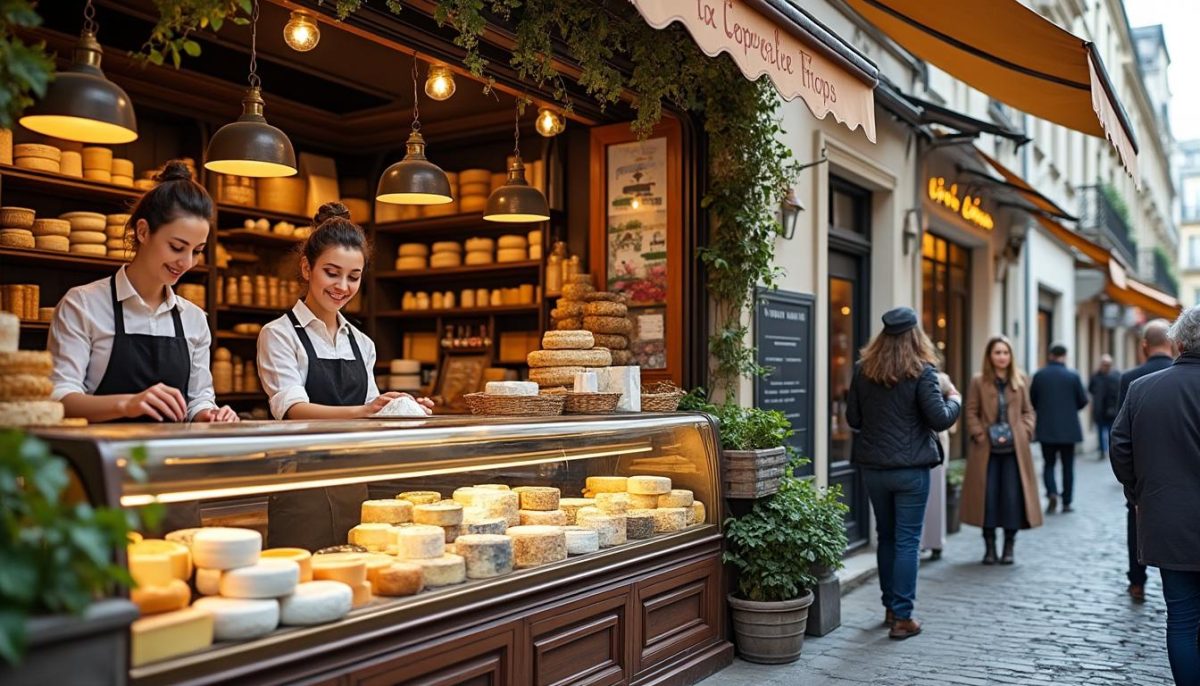
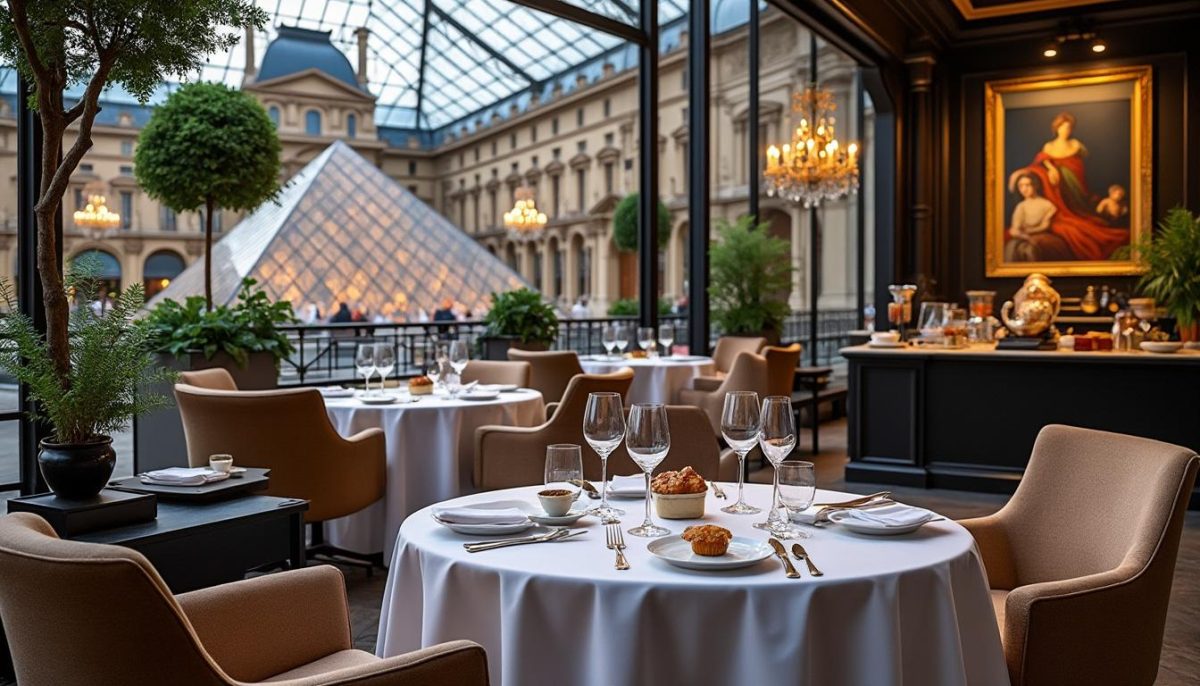
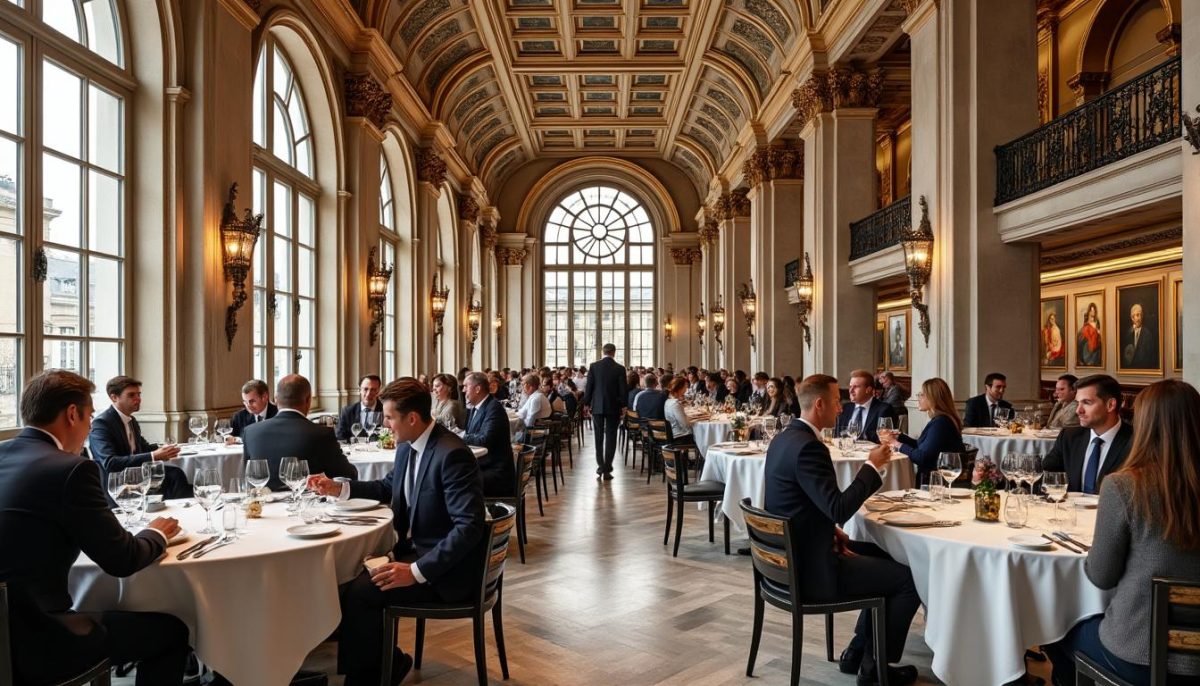
In the heart of Paris, the Left Bank stands as a beacon of culture, history, and culinary delight. This charming region is a mosaic of narrow cobblestone streets, historic cafés, and bistros where time seems to stand still. Each corner of the Left Bank is steeped in stories, echoing the footsteps of literary giants and artists who found inspiration amidst its vibrant atmosphere. As one meanders through neighborhoods like the Latin Quarter and Saint-Germain-des-Prés, tantalizing aromas waft from old-fashioned bistros, inviting all to partake in the rich heritage of French cuisine. The bistros here are not just places to eat; they’re venues that hold centuries of history and culture, offering patrons an authentic taste of Parisian life.
The culinary scene on the Left Bank is a remarkable blend of tradition and innovation. From classic dishes like coq au vin to more modern interpretations, the bistros continue to evolve while maintaining their core essence. Dining in this part of the city is akin to stepping into a time machine, where every meal tells a story, whether it be through the rustic presentation or the lovingly crafted recipes handed down through generations. With numerous options available, food enthusiasts can experience the quintessential essence of Parisian dining, weaving together fine ingredients, expert culinary techniques, and the unmistakable ambiance of the Left Bank.
Unveiling the Charm: Iconic Bistros of the Left Bank
Among the plethora of dining options, several bistros have earned a revered status, each with unique characteristics that reflect the heart of the Left Bank. Chez Marcel, for instance, is a quaint establishment nestled on a side street off Boulevard Raspail. Since 1919, it has been serving traditional Lyonnaise dishes like andouillette and coq au vin in a narrow, cozy space decorated with vintage photographs. The intimate setting encourages conversation, while the nostalgic menu transports diners to a bygone era of gastronomic delight. Reservations are essential, a testament to its enduring popularity and the desire for an authentic Parisian experience.
Le Petit Saint Benoît, another gem, has been serving hearty dishes since 1901. As you step inside, you’re greeted by server’s fast-paced movements and the sight of heavy wooden doors reminiscent of Parisian history. The bistro serves classical favorites like confit de canard and frog legs, offering a humble yet delicious dining experience. The walls decorated with memories of Paris’s past draw patrons into a world where time feels suspended.
The Intimacy of Culinary Experiences
Dining at these bistros is often about more than just food; it’s about the intimacy of the experience. For example, Le Reminet embraces a candlelit ambiance where velvet banquettes create a warm, inviting atmosphere. It’s at this bistro where locals and tourists alike indulge in dishes like slow-cooked beef cheeks served over creamy mashed potatoes. The small space fosters connections among diners, making every visit a shared experience rather than a solitary one. Reservations are recommended, further emphasizing the merit of this intimate culinary haven.
Moving beyond the aforementioned venues, another extraordinary spot is Bouillon Racine, a stunning example of Art Nouveau architecture. Established in the early 20th century, this bistro showcases the elegance of Parisian dining from an era long past. Here, diners can enjoy traditional dishes like frisée salad with smoked bacon and pavé de rumsteack, all while marveling at the intricately designed interiors. Its status as a historical monument highlights its cultural significance, intertwining the arts with the culinary.
The Allure of Dining with a View
Dining experiences on the Left Bank often extend beyond the confines of traditional bistros. For example, taking a classic Seine dinner cruise provides a unique perspective of the city. As one enjoys gourmet French cuisine on an all-glass boat, iconic landmarks glide by, enhancing the dining atmosphere. With careful attention to the culinary details, these cruises offer more than just a meal; they deliver a sensory experience rich with sights, sounds, and flavors emblematic of Paris.
Another notable mention is La Rôtisserie d’Argent, which, despite being a sibling of the illustrious Tour d’Argent, provides a laid-back ambiance. With views overlooking the Seine at Pont de la Tournelle, this bistro attracts a diverse crowd of locals and travelers alike. Here, patrons can relish in the aromatic delights of rotisserie chicken, grilled meats, and classic escargots. Its unpretentious atmosphere captures the essence of what a Parisian bistro should feel like: comfortable, familiar, and delicious.
A Gastronomic Journey Through Culture
Dining at these establishments is not devoid of cultural significance. Each bistro is a reflection of its neighborhood’s history, echoing the creative spirits of artists and writers who frequented these locales. The well-preserved features of Le Select, for instance, still embody the aura of the Jazz Age, with its ochre-colored walls and 1920s charm. It serves as a meeting point for both locals and creatives, offering traditional bistro fare like steak tartare and freshly baked croque monsieur. These dishes not only tantalize the taste buds but also transport diners through a culinary tapestry woven with history.
Challenges of Modern Dining and the Preservation of Tradition
With the evolution of dining in Paris, maintaining tradition amidst modern influences presents challenges. Many bistros on the Left Bank find themselves adapting to contemporary tastes while striving to preserve their unique identity. For instance, classic recipes are sometimes reimagined to incorporate seasonal and local ingredients, keeping menus fresh yet rooted in tradition. Thus, bistros like Le Christine offer tasting menus that highlight modern interpretations, embracing the culinary artistry that defines Paris today. In doing so, they manage to attract a younger clientele fascinated by both innovation and historical significance.
This delicate balance of tradition and innovation exemplifies the culinary landscape of Paris in 2026. As chefs explore new avenues for creativity, they remember the value of timeless recipes and authentic experiences. Bistros like Chez Marcel continue to thrive, showcasing the demand for cooking that bears the mark of generations, reminding diners of the unbroken thread of culture encapsulated within each meal.
The Importance of Historical Preservation
It is crucial to support these establishments, as they serve not only a meal but also a narrative shaped by their surroundings. The historical aspect of the Left Bank bistros highlights the cultural heritage that Paris embodies, demonstrating why they must be preserved. Tourists and locals alike are drawn to the stories these bistros tell, making them an integral part of the city’s charm and appeal.
| Bistro Name | Established Year | Signature Dishes | Location |
|---|---|---|---|
| Chez Marcel | 1919 | Andouillette, Coq au Vin | 7 Rue Stanislas, 6th Arr. |
| Le Petit Saint Benoît | 1901 | Confit de Canard, Frog Legs | 4 Rue Saint Benoît, 6th Arr. |
| Bouillon Racine | 1906 | Pavé de Rumsteak, Frisée Salad | 3 Rue Racine, 6th Arr. |
| Le Select | 1920 | Steak Tartare, Croque Monsieur | 99 Boulevard du Montparnasse, 6th Arr. |
| La Rôtisserie d’Argent | N/A | Rotisserie Duck, Escargots | 19 Quai de la Tournelle, 5th Arr. |
As the sun sets over the Seine, casting a golden hue on the cobblestones, the Left Bank continues to serve as a sanctuary for those seeking both culinary delight and cultural immersion. Whether a traveler or a local, each visit to these bistros offers a taste not only of superb French cuisine but also a connection to the city’s rich tapestry of history and innovation. For more information on dining experiences in Paris, one can explore the breath of options available at Top Paris Bistros and Brasseries that reflect the essence of this charming region.