In the heart of Paris, a remarkable transformation has taken place over the centuries. Les Halles, once known as the “Belly of Paris,” has been at the center of the city’s culinary heartbeat since the 12th century. This ever-evolving space has shaped the very fabric of Parisian culture and tradition. As we explore its multifaceted history, we uncover how a market that has witnessed the ebb and flow of urban life remains relevant in contemporary society. Today, Les Halles serves not only as a commercial hub but as a cultural landmark where the past and present intersect. Its architecture, rich history, and urban ambiance create a vibrant landscape for locals and visitors alike, ensuring that this cherished location continues to thrive amidst the modern world.
Understanding Les Halles: A Historical Overview
Les Halles began its journey in 1135, thanks to a vision from Louis VI, who recognized the need for a central marketplace in Paris. Over the next few centuries, this market expanded significantly, becoming a bustling epicenter of commerce and social interaction. The structures that housed the stalls evolved into a complex of iron-and-glass pavilions designed by architect Victor Baltard in the mid-19th century. These developments allowed the market to flourish, filled with the *scents* of fresh produce and the lively *sounds* of traders calling out their wares.
By the 19th century, Les Halles had reached its zenith, serving as the primary food market for Parisians. On a typical day, farmers transported their goods from surrounding regions to meet the demands of a burgeoning urban population. One can only imagine the vibrant atmosphere, with the aromas of freshly baked bread mingling with the sharp scent of fish and the fragrant offerings of local florists. The market has also found its place in literature, most notably in Émile Zola’s novel “Le Ventre de Paris,” which vividly depicts the market life of the time.
However, as the 20th century dawned, the charm of this historical marketplace began to fade. Increased traffic congestion, sanitation issues, and growing urban populations made operations increasingly difficult. By 1969, the bustling market was relocated to Rungis, just outside of Paris, leaving the iconic pavilions to face demolition, a bittersweet end to an era. Only one pavilion was saved and moved to Nogent-sur-Marne, where it stands as a tribute to the once vibrant market.
The Architectural Renaissance
The original pavilions of Les Halles may no longer exist, but the spirit of the marketplace lives on in its current architectural guise. The Forum des Halles, which arose from the ashes of the old market, exemplifies late 20th-century urban planning with its blend of modern design and functionality. Completed in 2016, La Canopée, a glass-and-steel structure, replaced the dreary concrete of the original shopping center. It has since become an architectural icon, drawing locals and tourists alike.
This innovative design aims to reconnect the bustling environment of today with the historical context of Les Halles. The translucent canopy allows natural light to flood the space, creating an inviting atmosphere. Beneath it, a myriad of shops, restaurants, and cafes await – a testament to the enduring legacy of food culture that once defined the area. Here, visitors can enjoy anything from artisanal bread to gourmet French macarons, connecting them to the timeless culinary offerings that Les Halles has always embraced.
The architectural journey does not end there. The area surrounding Les Halles has also undergone significant changes, transforming into a cultural and leisure hub complete with greenery, public spaces, and social activities. The vibrant urban landscape invites artists, musicians, and performers to share their talents, enriching the communal experience. The entire site, with its modern amenities and historical nods, showcases how architecture can celebrate both history and modernity.
The Cultural Significance of Les Halles
While Les Halles has evolved significantly, its cultural relevance remains undiminished. The area has retained its role as a gathering place, where Parisians and visitors can connect over food, art, and shared experiences. Today, the Forum des Halles offers a diverse range of cuisines, echoing the multicultural spirit of modern Paris. This is not just a place to shop; it’s a destination for culinary adventures and cultural exploration.
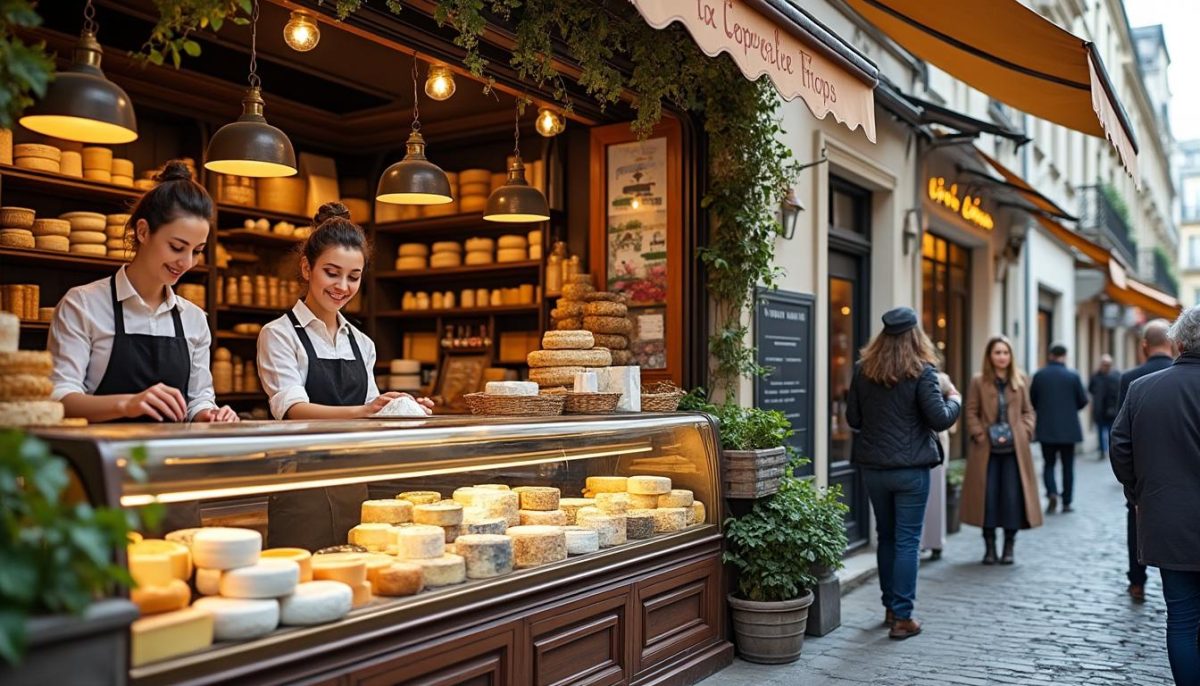
One area that particularly embodies this cultural tapestry is Rue Montorgueil, a street that has seemingly resisted the passage of time. Visitors here will find an array of traditional bakeries, seafood shops, and cafés that celebrate the culinary heritage of the City of Light. For instance, one can sip fresh coffee at a corner café while watching the hustle and bustle of life unfold, just as market-goers did centuries ago.
Moreover, the historical restaurant Au Pied de Cochon continues to serve hearty, traditional dishes, keeping alive the essence of Les Halles as a culinary sanctuary. The restaurant and its surrounding locale exemplify how Les Halles was not just a market but a vibrant ecosystem representing Parisian culture at its best.
Celebrating Tradition and Modernity
Part of what makes Les Halles so unique is its ability to celebrate both tradition and modernity. While traditional markets rely on their roots, Les Halles successfully blends these elements, proving that the evolution of a marketplace can yield incredible results. Though the food market moved on, the vibrancy of Parisian life persists, nourished by generations of culinary traditions. Today, visitors can still experience the lively connections forged through food, culture, and community.
In light of this transformation, it is vital to recognize the historical significance of aspects like the Fontaine des Innocents, a Renaissance fountain located nearby. It serves as a poignant reminder of the area’s deep-rooted past and harmoniously integrates with the modern landscape of Les Halles. Both history and modernity weave a rich tapestry that tells the story of this evolving urban hub.
The Transformative Impact on Today’s Paris
In 2026, Les Halles has undoubtedly become a vital component of Parisian urban life. The convergence of transport lines at the Châtelet-Les Halles station provides seamless connectivity for residents and tourists, enhancing mobility throughout the city. This ease of access encourages tourism in the area, while also inviting locals to engage with their cultural heritage actively.
Moreover, the historical footprint of the old market lingers in the contemporary developments that surround Les Halles, including museums, art galleries, and cultural institutions like the Centre Pompidou. These hubs collectively contribute to the cultural landscape, creating multiple layers of engagement for both locals and visitors. For those interested in art and culture, the proximity of significant sites ensures that Les Halles remains a key waypoint in the cultural exploration of Paris.
As urbanization continues to evolve, the lessons learned from Les Halles serve as a model for other cities worldwide. It illustrates how a balance between preserving history and embracing modernity can lead to prosperous cultural and social activity. The journey of Les Halles Paris exemplifies a timeless marketplace that continues to inspire and captivate, affirming that it is much more than the sum of its parts; it is an *ever-evolving urban symphony*.
Diverse Culinary Experiences at Les Halles
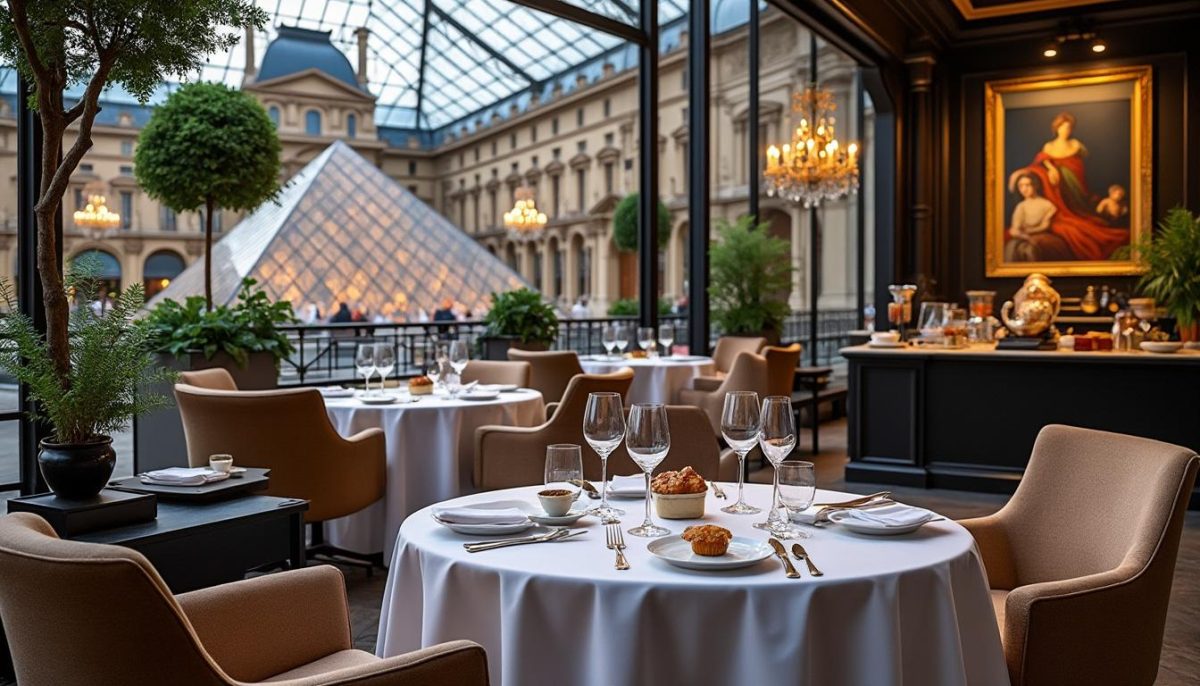
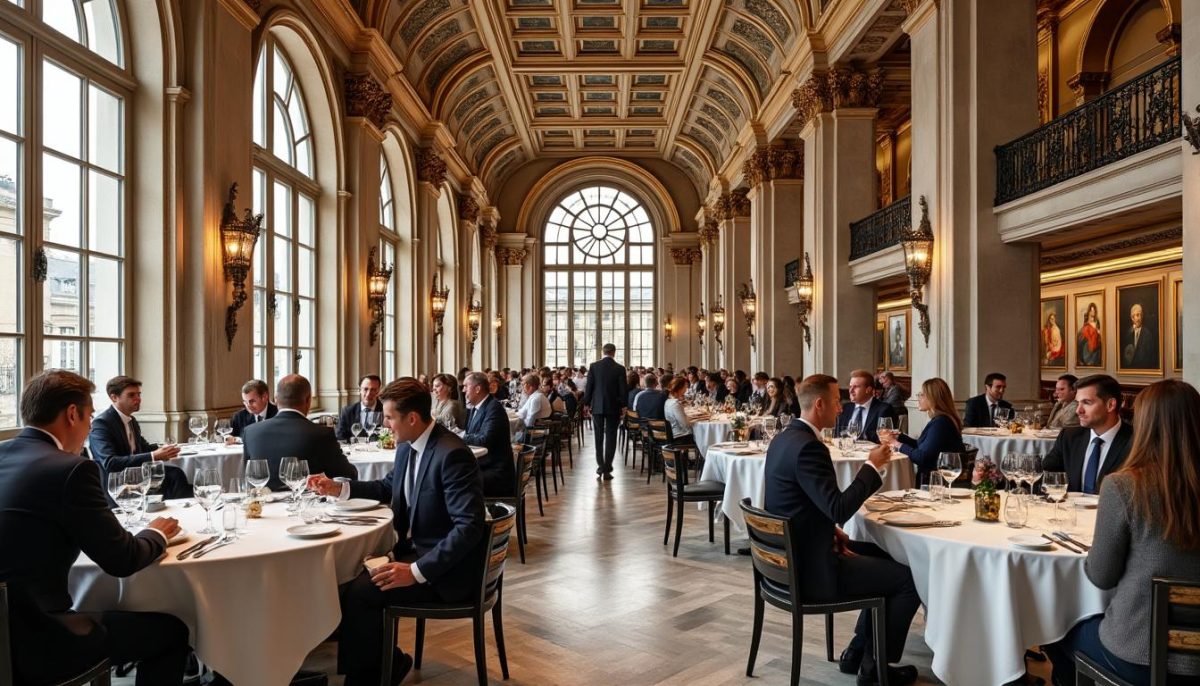
Food lovers will find plenty to explore at Les Halles, with the Forum serving as a vibrant canvas for various culinary experiences. From gourmet food stalls to casual eateries, there’s something for everyone. This area allows visitors to savor traditional French cuisine while embracing culinary influences from around the globe.
Besides the iconic Au Pied de Cochon, visitors can indulge in delicious French pastries at renowned establishments like Stohrer, celebrating its legacy since the 18th century. Each culinary destination tells a story, connecting patrons to the rich traditions that define Parisian gastronomy.
| Type of Cuisine | Recommended Location | Signature Dish |
|---|---|---|
| French | Au Pied de Cochon | Onion Soup |
| Pastry | Stohrer | Baba au Rhum |
| Seafood | L’Escargot Montorgueil | Garlic Snails |
| Asian Fusion | Tésaï | Spicy Tuna Rolls |
This ever-changing culinary landscape reflects the dynamic nature of Les Halles, offering visitors a chance to engage with food history while also exploring the creative innovations shaping the dining experience today. With each dish served, the area fosters connections that link the past to the present and beyond, embodying the true essence of a *timeless marketplace*.