The Jardin du Luxembourg is not just another charming park in Paris; it serves as a regal testament to the powerful women who shaped French history. Nestled amidst the vibrant greens of the garden are twenty stunning white marble statues, collectively known as the Serie des Reines et Femmes Illustres. Each statue represents a queen or woman of significance, standing tall in tribute to their lasting legacy within the narrative of France. As you stroll through this beautiful garden, the presence of these majestic figures invites visitors to reflect on the historical roles these women played in governance, culture, and society.
The majestic aura of the garden is palpable, with its meticulously organized flowerbeds, tree-lined pathways, and grand fountains creating a serene backdrop for the statues. Onlookers can often be seen pausing in awe, appreciating not merely the artistry of the sculptures but also the rich stories they convey. From the patron saint of Paris to influential queens who navigated through turbulent times, each statue offers a glimpse into the diverse heritage of women who have left an indelible mark on French history. As we explore these regal figures further, their tales unfold like the petals of a flower, revealing both triumph and tribulation.
Exploring the Statues: The Majestic Queens of Jardin du Luxembourg
In the heart of the Jardin du Luxembourg lies a series of statues that honor influential women from French history, and the journey begins with the first statue: Sainte Genevieve. Born in Nanterre in the early 5th century, Genevieve is celebrated as the patron saint of Paris. Legend has it that her fervent prayers helped save the city from the invading forces of Attila the Hun. Her statue stands as a beacon of hope, commemorating her deep devotion to the safety of Paris.
Sainte Clotilde and Sainte Bathilde: Transformative Figures
Next, we find Sainte Clotilde, the second wife of Clovis I and a significant factor in the conversion of the Frankish Kingdom to Christianity. Her influence was pivotal, showcasing how personal dedication could shape a nation’s spiritual history. Following her, Sainte Bathilde, famed for her beauty and intelligence, ruled as queen alongside Clovis II. Their stories add layers of complexity to the garden’s narrative, illustrating how the roles of queens extended beyond mere matrimony to include political and spiritual leadership.
The overarching theme of resilience is further echoed in the tales of Berthe Ou Bertrade, the mother of Charlemagne, and Queen Mathilde, who shaped England and Normandy in the 11th century. Their walls of history provide context for understanding the challenges faced by women in authority during their respective eras.
The Legacy of the Statues: Influence on Art and Culture
The majestic queens of Jardin du Luxembourg serve a dual purpose: they not only commemorate significant historical figures but also enrich the garden’s artistic landscape. Each statue is a product of its time, revealing the evolving nature of female representation in art. Commissioned by Louis-Philippe between 1843 and 1846, these sculptures were crafted by renowned sculptors who infused their artistry with a rich narrative tapestry. The project was neither simple nor straightforward; it required extensive planning and collaboration across various artistic disciplines to achieve a cohesive representation of the queens.
Artistic Highlights of the Sculptures
One cannot overlook the sheer artistry involved in producing such majestic works. For instance, the intricate details captured in Marie de Medici‘s statue reflect not only her royal status as the wife of Henry IV but also her role as a patroness of the arts. Under her reign, the Jardin du Luxembourg came into existence, making her statue a fitting tribute within its confines. Similarly, the graceful depiction of Marie Stuart showcases the complex layers of her life, from her reign in France to her tragic fate in Scotland. Observing these sculptures, one can sense the deep emotional undertones that the artists masterfully conveyed.
The artistry of the statues does not merely encapsulate their subjects but also reinforces the intertwining of art, nature, and history that characterizes the garden as a whole. Each sculpture acts as a leash, connecting modern visitors to the rich past of France, reminding them of the powerful women who played an integral role in the tapestry of national identity.
A Walk Through History: The Context of Each Statue
As one meanders through the paths of the Jardin du Luxembourg, it’s essential to appreciate the context surrounding each queen’s life. For instance, alongside Marguerite d’Anjou, the queen embroiled in the Wars of the Roses, lies Anne de Beaujeu, who served as regent for her brother Charles VIII during his minority. Each statue not only represents a name but opens a window into the sociopolitical landscapes of their times. Understanding these contexts helps in appreciating not just the statues but the years of struggle, aspiration, and achievement they symbolize.
A Focus on the Queens’ Contributions
Through history, these queens navigated treacherous waters, leveraging their influence to shape their countries. For instance, Jeanne d’Albret became a pivotal figure in the Huguenot movement, championing Protestantism during a time of religious strife. Her statue stands not just as a reminder of her royal lineage but as a symbol of the more profound struggle for religious liberty. Similarly, Queens like Marguerite d’Angoulême and Marie de Medici played vital roles in the cultural renaissance of France, their contributions echoing through the generations.
The Garden: A Living Tribute to Women in History
Today, the Jardin du Luxembourg thrives as a sprawling paradise where Parisians and tourists alike find solace. However, it also stands as a living tribute to the majestic queens whose legacies are encapsulated in stone. The layout of the garden, complete with geometric flowerbeds and serene pathways, provides an inviting space for contemplation and reflection. Visitors are encouraged to investigate not just the natural beauty surrounding them but the rich tapestry of stories behind each statue.
Gardening as a Form of Celebration
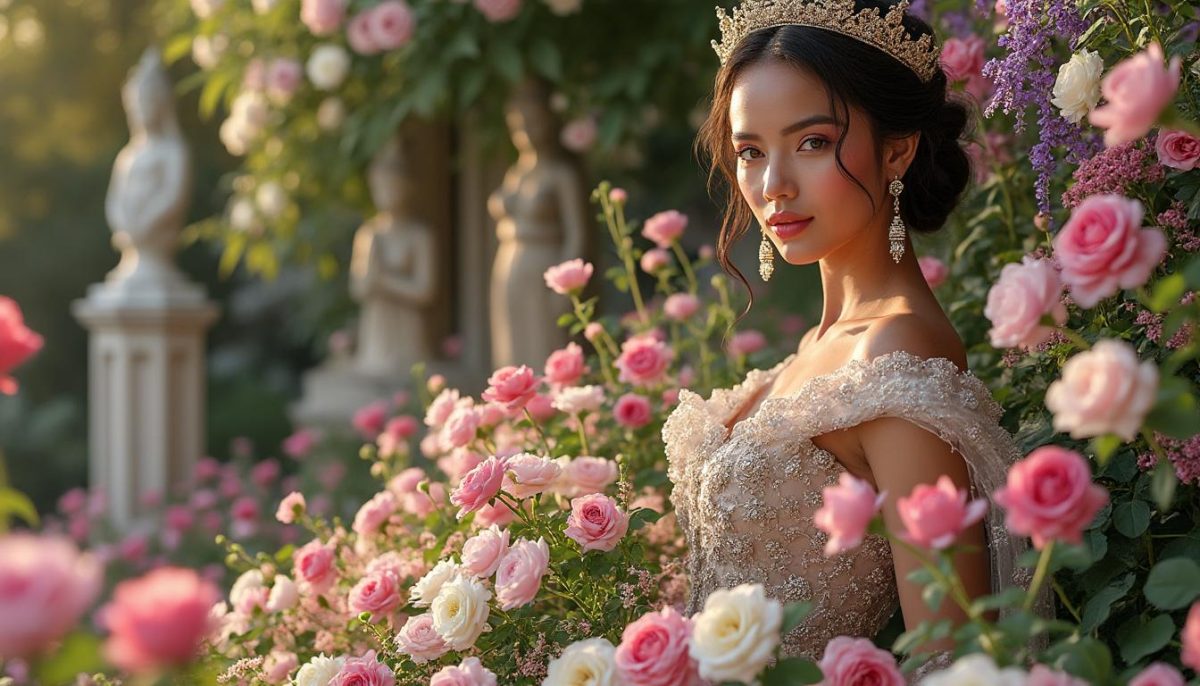
The garden itself is a representation of how nature can flourish alongside history. The bloom of flowers and the gentle rustle of leaves create an atmosphere conducive to introspection about the fierce women represented through art. Each statue, enveloped by vibrant petals and lush greenery, provides the perfect milieu to appreciate their contributions in shaping French society.
In today’s fast-paced world, the opportunity to linger and meditate on the lives of these queens is a poignant reminder of the impact of women throughout history. The statues draw visitors closer to the rich cultural heritage of France, enriching the experience with storytelling and visual artistry.
| Queen | Years Active | Contribution |
|---|---|---|
| Sainte Genevieve | 423 – 512 | Patron Saint of Paris |
| Sainte Clotilde | 475 – 545 | Queen of Clovis I, instrumental in converting France to Christianity |
| Marie de Medici | 1573 – 1642 | Second wife of Henry IV, patron of the arts, founder of Jardin du Luxembourg |
| Jeanne d’Albret | 1528 – 1572 | Leader in Huguenot movement |
| Marguerite d’Angoulême | 1492 – 1549 | Mother of French Renaissance, writer and intellectual |