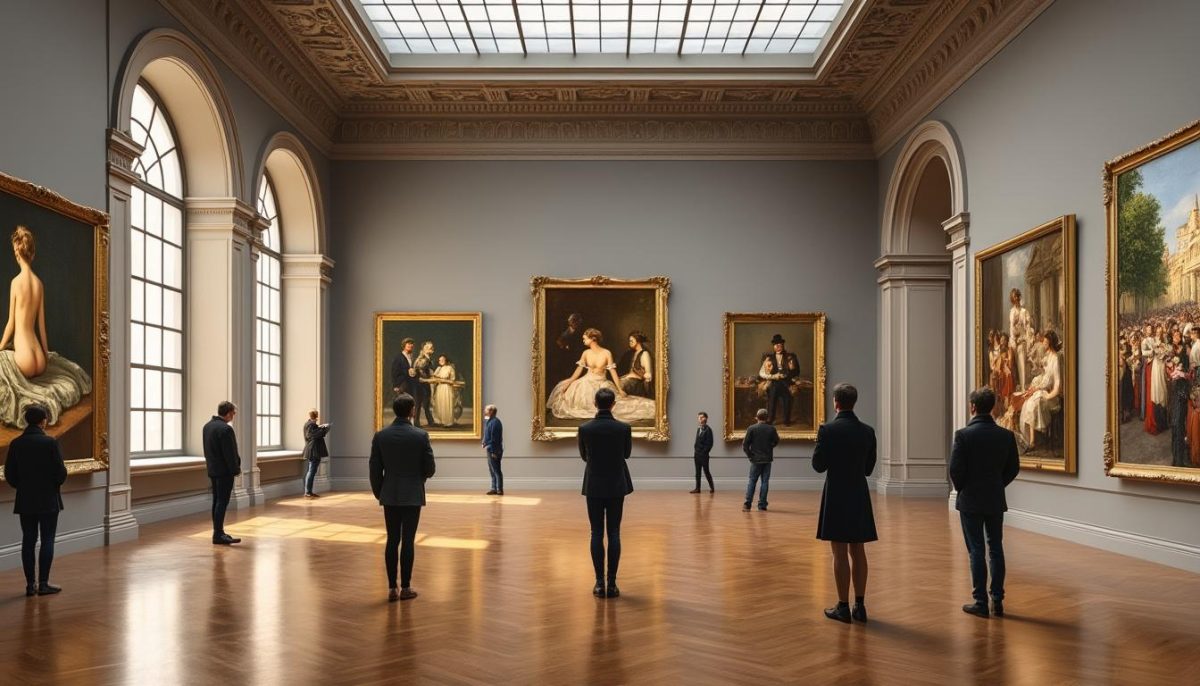
In the heart of Paris, the Musée d’Orsay stands as a testament to the rich tapestry of 19th-century art. Among the treasures housed within its walls, the masterpieces of Édouard Manet stand out, reflecting a revolutionary spirit that forever altered the landscape of art history. Manet, a French painter who defied conventions, brought forth a new perspective on daily life and its representation in art. His works resonate with both scandal and admiration, showcasing ordinary scenes infused with profound meaning. As we navigate through the corridors of this iconic museum, five of Manet’s masterpieces emerge as essential viewing for any art enthusiast.
The presence of 49 artworks by Manet at the Musée d’Orsay underscores his significant impact on the evolution of Impressionism. These pieces capture the essence of modern life through a lens that celebrates the mundane while challenging the art establishment. Visitors are drawn to his bold use of color and innovative techniques, which create a dialogue between the viewer and the canvas. These elements lay the groundwork for contemporary artistic expression and offer a glimpse into the social dynamics of 19th-century France. As we explore these must-see works, we not only appreciate their aesthetic beauty but also delve into the context and stories that shaped their creation.
Le Déjeuner Sur l’Herbe – A Controversial Celebration of Modern Life
“Le Déjeuner Sur l’Herbe,” painted in 1863, is perhaps Manet’s most infamous work. The painting sparked outrage at its debut during the 1863 Paris Salon, leading to its exhibition at the Salon des Refusés, an event created to showcase rejected works. This particular piece defied the conventions of its time, featuring a nude woman, Victorine Meurent, seated casually amongst clothed men—a striking juxtaposition that challenged societal norms.
The composition draws heavily on classical references, with allegorical connections to Titian and Raphael, yet Manet’s execution is anything but traditional. He employs a stark contrast between light and shadow, creating a jarring yet captivating visual experience. Critics at the time were appalled by what they perceived as irregularities in color application and the lack of depth, labeling the artwork as offensive. However, it is precisely this boldness that ultimately positions “Le Déjeuner Sur l’Herbe” as a pioneering piece that marked the onset of modern art. It provokes dialogues about gender roles, societal expectations, and the liberties of artistic expression.
Impact on Modern Art
The significance of “Le Déjeuner Sur l’Herbe” extends far beyond its immediate controversy. It symbolizes a critical departure point for artists seeking to break free from the constraints imposed by the Paris Salon. This painting not only challenged the conventions of representation but also mirrored the burgeoning freedoms of the time, encapsulating a moment in history when artists began to explore the everyday lives of ordinary people. The conversation surrounding this piece continues to influence contemporary dialogues about representation and identity.
Olympia – A Portrait of Defiance
Following in the footsteps of his earlier provocation, Manet’s “Olympia,” painted in 1863 and exhibited in the Salon of 1865, ignited an even greater scandal. Featuring the same model, Victorine Meurent, the painting portrays a reclining nude woman gazing boldly at the viewer, adorned with modern jewelry and a flower in her hair. Unlike classical nude portrayals that emulated passive beauty, “Olympia” presents a sense of autonomy and assertiveness.
The reaction from critics was swift and harsh, as Olympia subverted traditional depictions of female subjects. The stark contrast of the background emphasizes Olympia’s boldness, forcing the viewer to confront the rawness of reality. The modernity encapsulated in Olympia is significant, making it a landmark piece in feminist art history. The painting speaks volumes about the evolving perceptions of gender and sexuality, challenging viewers to reconsider their perspectives on women in art.
The Journey into Acceptance
While initially deemed scandalous, “Olympia” eventually garnered respect, particularly from fellow artists like Claude Monet, who advocated for its recognition. Over time, the piece found its home in the Musée d’Orsay, where it continues to serve as a compelling narrative on the relationship between art, society, and evolving roles of women. This emphasis on realism and contemporary subjects is what renders Manet a pivotal figure in the transition towards Impressionism.
Portrait of Emile Zola – A Tribute to Friendship and Art
Composed in 1868, the “Portrait of Emile Zola” is a celebration of friendship between two influential figures in the art world. Zola, a prominent novelist and art critic, championed Manet during times of great artistic turmoil. In this painting, Zola is captured seated at a table, surrounded by objects that reflect his literary life—a gesture of appreciation from Manet for his unwavering support.
Manet’s choice to include his own work, “Olympia,” in the background serves as a narrative element, symbolizing the intersection of their artistic journeys. The rich textures and careful arrangement of the setting evoke a sense of intimacy and familiarity. Here, Manet showcases his ability to convey depth through composition, highlighting not just the subject but the essence of the relationship between the two men.
Art and Advocacy
This painting exemplifies the significance of camaraderie within the artistic community of that era. Zola’s advocacy for Manet reflects a broader narrative of artists supporting one another in the face of societal criticism. Through this piece, we witness the notion of art as a means of expression and the importance of partnerships in navigating the complexities of the art world. The dialogue established between the artist and his subject transcends the canvas, illustrating the social role that art plays in human relationships.
Le Balcon – A Study in Composition and Isolation
“Le Balcon,” painted in 1869, stands as a remarkable exploration of bourgeois life through a lens of isolation. The subjects of the painting—friends and fellow artists, including Berthe Morisot—are united yet distinctly separated. Unlike other paintings of the time that narrate a clear story, Manet’s portrayal evokes a feeling of stasis, leaving viewers to ponder the emotional landscapes of its figures.
The composition itself challenges conventions, as the characters seem to reside in a world of their own, suspended in time. Critics derided it at its debut, likening it to amateurish work, yet it represents a pivotal shift towards Impressionistic techniques where emotional earnestness is prioritized over narrative clarity. The handling of light and shadow accentuates the nuances of human existence and the quiet solitude that often accompanies social gatherings.
Experience of the Bourgeoisie
Through “Le Balcon,” Manet masterfully navigates the complexities of social interactions within the bourgeoisie while revealing deeper themes of connection and isolation. The nuances of this painting resonate in contemporary discussions about the nature of relationships in urban environments, making it a timeless reflection on human experience. The emotional weight captured in this work continues to evoke curiosity, encouraging viewers to question their own places within society.
Berthe Morisot au Bouquet de Violettes – Celebrating Female Presence
In “Berthe Morisot au Bouquet de Violettes,” painted in 1872, Manet pays homage to one of his most cherished models and fellow artist. The painting captures Morisot in a luminous portrait that highlights her beauty and artistic spirit. The rich black of her dress juxtaposed with the violet bouquet creates a striking contrast that draws the viewer into her world.
This work emerged in the aftermath of the Franco-Prussian War, a period that profoundly influenced Manet’s artistic style. The choice to portray Morisot with dramatic lighting emphasizes not only her physical presence but also her role as a vital figure in the art community. This painting serves as a reminder of the importance of female artists during a time when their contributions were often overlooked.
The Legacy of Female Artistry
Manet’s portrayal of Morisot encapsulates the harmony between artistry and personal relationships. This dynamic exemplifies the influence of strong women in the artistic domain and emphasizes their pivotal roles. The emotional resonance of this portrait continues to inspire contemporary discussions surrounding female representation in art, making it a vital part of the narrative in art history.
A Journey Through Manet’s World at the Musée d’Orsay
Visiting the Musée d’Orsay is not merely an artistic endeavor; it is an exploration of the societal fabric that shapes our understanding of creativity. Each of Manet’s masterpieces curated within its walls invites viewers to engage with themes of modernity, gender, and friendship, making them essential to comprehending the evolution of 19th-century art. To experience these paintings is to connect with a revolutionary spirit that dared to question the status quo and redefined art’s place in our lives.
As one wanders through the museum, reflecting on the works of Manet, it becomes evident how these masterpieces influenced subsequent generations. They inspire dialogues that extend beyond their frames, encouraging us to reflect on contemporary issues and the continued relevance of art in society. The legacy of Édouard Manet positions him not only as a pivotal figure in the history of Impressionism but also as a founder of modern artistic thought.
| Painting Title | Year | Significance |
|---|---|---|
| Le Déjeuner Sur l’Herbe | 1863 | Marked the beginning of modern art; challenged societal norms. |
| Olympia | 1863 | Revolutionary representation of female subjects; feminist icon. |
| Portrait of Emile Zola | 1868 | Celebration of friendship and support within the arts. |
| Le Balcon | 1869 | Exploration of bourgeois life and emotional isolation. |
| Berthe Morisot au Bouquet de Violettes | 1872 | Highlighting the role of female artists in the 19th century. |