Quiche is more than just a dish; it’s a culinary experience that merges simple ingredients into a masterpiece. This versatile French tart, with its flaky crust and rich filling, has made its way into hearts and homes across the globe. Whether you are crafting a classic Quiche Lorraine or experimenting with inventive variations, mastering the art of quiche opens up a world of flavors and textures. With a well-developed pastry and a carefully balanced custard, you’ll find that cooking becomes not only accessible but also incredibly satisfying. In this exploration, we delve into the intricate details of quiche-making, from mastering the pastry dough to perfecting the filling, while infusing tradition with modern twists. Embrace this journey and transform your kitchen into a space of culinary creativity.
The Essence of Quiche: Understanding Its Components
A quiche is essentially a savory custard pie, showcasing a medley of ingredients that harmonize beautifully. At its core, the dish consists of three essential components: the pastry, the filling, and the custard.
Pastry Dough: The Foundation of Any Good Quiche
The pastry, known as pâte brisée in French, serves as the critical foundation of the quiche. It creates a crunchy, flaky texture that complements the soft custard filling perfectly. Crafting this dough might seem intimidating, but it’s an art that can be mastered with practice.
To get started, gather unbleached flour, butter, sea salt, and cold water. Combine the flour and butter, ensuring the mixture resembles coarse cornmeal. Gradually add cold water until the dough holds together. Leave it to rest in the refrigerator, allowing it to relax and meld flavors while preventing shrinkage during baking. This process typically takes at least an hour.
Notably, the versatility of this dough allows for freezing, so you can prepare batches in advance, ready for that spontaneous quiche craving.
Filling: The Heart of the Quiche
The filling is where creativity knows no bounds. Traditionally, ingredients such as lardons, cheese, and onions feature prominently. However, modern interpretations encourage experimentation. From vibrant vegetables and herbs to proteins like chicken or smoked salmon, the choices are limitless.
Consider the delicate balance of flavors. Pairing ingredients that complement each other elevates the dish. For instance, sautéing leeks before incorporating them into the filling brings out their inherent sweetness, adding depth to the overall flavor profile.
Custard: The Creamy Element Tying It All Together
The custard binds the pastry and filling, providing moisture and richness. Typically made with eggs and cream, you can adjust the ratios based on desired creaminess. A classic ratio of one egg per 100ml of cream usually yields a perfect texture.
Incorporating fresh herbs or spices into the custard enhances aroma and taste. As it bakes, the custard transforms into a tender, creamy filling, enveloping the delightful ingredients within the pastry.
The Step-by-Step Process of Crafting Quiche
Now that you understand the essential components, it’s time to dive into the step-by-step process of crafting a quiche. Each stage is crucial in achieving a dish that not only delights the palate but also showcases your culinary skills.
1. Prepare the Pastry
Begin by preparing your pastry dough. Measure out the flour and cut the butter into tiny cubes, mixing them in a food processor until crumbly. Gradually add the cold water, pulsing until the dough comes together. Knead it gently on a floured surface and shape it into a ball before chilling.
Once rested, roll the pastry into a circle about 1/8 inch thick, suitable for your tart pan. Pricking the base with a fork is essential to prevent puffing during baking, ensuring a flat, perfectly baked crust.
2. Prepare the Filling
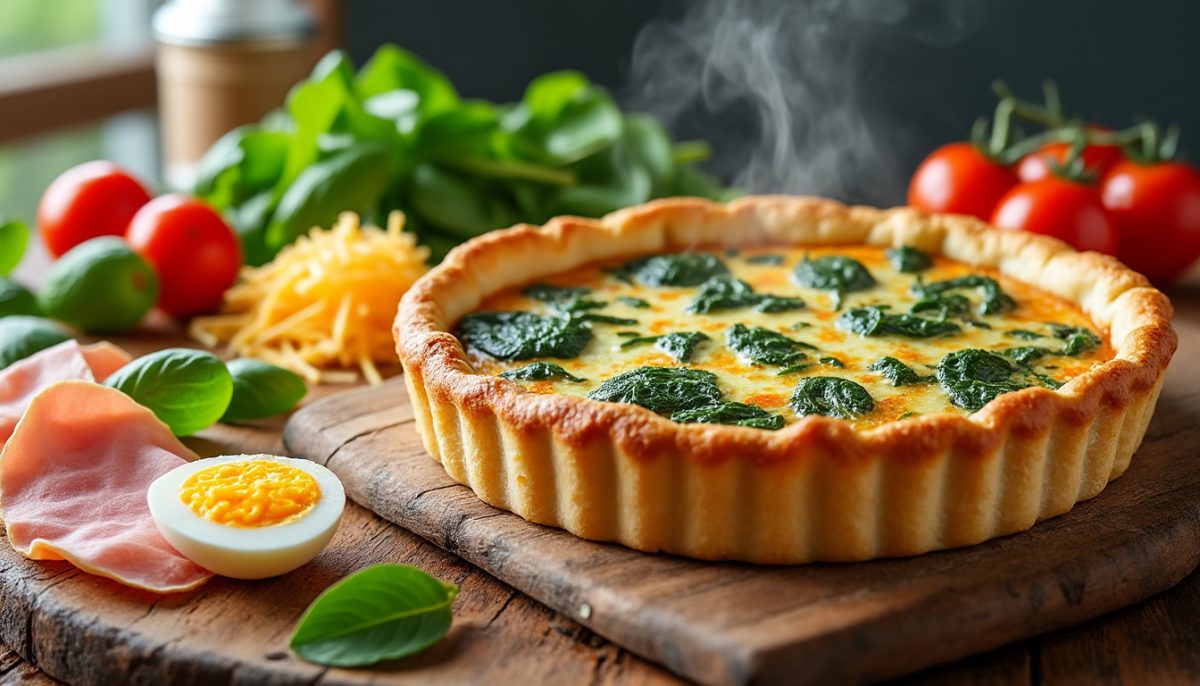
While the pastry chills, prepare your desired filling. Start by cooking any raw ingredients, like bacon or vegetables, until they reach the perfect tenderness. Set these aside while you explore your options. For instance, classic combinations like cheese and ham, or spinach and feta, provide delicious options.
3. Whisk the Custard Mixture
In a bowl, whisk together eggs and heavy cream. Don’t forget to season with salt, pepper, and any herbs you enjoy. The seasoning is vital, as it enhances the overall taste of the quiche.
4. Assemble and Bake
Now comes the exciting part—assembling your quiche! Layer your cooked ingredients into the pastry shell, pour over the custard mixture, and sprinkle with cheese if desired. Bake in a preheated oven until the filling is set and the pastry is golden, typically around 30 to 40 minutes.
With each step, the anticipation builds as the aroma of baking fills your kitchen, hinting at the delicious result that awaits.
Modern Variations: Taking Your Quiche to the Next Level
As the world of culinary arts evolves, so do the interpretations of traditional dishes like quiche. Modern variations can reflect cultural infusions, dietary needs, or simply the desire for something new. Let’s explore some popular trends in quiche-making today.
Vegetarian Options
Many are opting for vegetarian quiches, loaded with fresh vegetables. Consider incorporating ingredients like roasted peppers, kale, or asparagus to create a vibrant, nutritious dish. These modifications not only cater to the growing vegetarian audience but also allow for seasonal creativity with each ingredient sourced locally, enhancing flavor and satisfaction.
For those craving a heartier bite, replacing traditional fillings with legumes such as chickpeas or lentils adds protein and makes the dish more filling.
Gluten-Free Alternatives
The rise of gluten-free diets has led many to invent alternative crusts made with nuts or gluten-free flours. Toasting nuts before grinding them into flour adds an exquisite, rich flavor to the quiche base. This innovation ensures that those avoiding gluten can indulge in the delectable experience without sacrificing taste or texture.
International Influences
Bringing flavors from across the globe into a traditional quiche creates exciting dishes. Imagine a fusion quiche with Middle-Eastern spices, such as cumin and coriander, alongside roasted vegetables. This cross-cultural approach highlights the versatility of quiche as a dish that can adapt and thrive within any culinary landscape.
Serving Suggestions and Pairings
Quiche not only dazzles at brunches and dinner gatherings, but it also serves as a versatile dish that can suit any occasion. Consider how you can elevate your quiche experience through thoughtful pairings and serving suggestions.
Pair with Fresh Salads
Serving quiche alongside a fresh salad can create a delightful combination of flavors and textures. A crisp frisée salad with vinaigrette contrasts beautifully against the creamy filling, enhancing the quiche experience. Don’t shy away from adding fruits like pears or apples for an added layer of sophistication.
Accompany with Wine or Beverages
The right beverage can elevate your dining experience. A light white wine, such as a Sauvignon Blanc or a crisp rosé, pairs well with the quiche, enhancing the delicate flavors. For a non-alcoholic option, consider serving artisan lemonades or flavored sparkling waters for a refreshing touch.
Presentation Matters
When serving quiche, presentation can greatly impact the overall experience. Cutting quiches into elegant wedges and serving them on colorful platters creates a visually appealing centerpiece at any gathering. This attention to detail reflects your culinary expertise and can even invite compliments before the first bite is taken.
Tips and Tricks for Quiche Perfection
When it comes to mastering quiche, paying attention to detail can make all the difference. Here are some insider tips that will help you achieve that perfect quiche every time.
Quality Ingredients
Always choose the best quality ingredients, especially when it comes to dairy and eggs. Fresh, free-range eggs typically yield a richer, more flavorful custard. High-quality cheese can also significantly enhance flavors. Consider exploring local markets for artisanal products that tell a story.
Experiment with Temperature Control
Baking supports the transformation of ingredients, so understanding your oven’s temperature is crucial. Each oven is different; some may run hotter or cooler than indicated. If you notice uneven baking, consider placing a baking stone in the oven to regulate temperature more evenly.
Let it Rest
After baking, allowing your quiche to rest for about ten minutes before slicing helps set the custard, making for cleaner cuts. Whenever possible, serve warm rather than piping hot, as this enhances the flavors and permits the filling to maintain its ideal texture.
With these strategies in hand, you can confidently approach the art of quiche-making. Let your creativity flourish, turning each quiche into a unique canvas showcasing your culinary skills.