For centuries, the Jardin du Luxembourg has stood as an emblem of both beauty and cultural legacy in Paris. Nestled in the heart of the city, this stunning urban park is not just a garden but a veritable outdoor museum showcasing a multitude of artistic masterpieces. Among the famed statues, each carries its own story, whispering tales of France’s rich history and vibrant art scene. From classical figures to contemporary interpretations, these sculptures invite visitors to engage with the past and explore the evolution of artistic expression.
In this expanse of greenery, one can find works that champion the glory of human achievement, passion for freedom, and devotion to the arts. As one wanders through its manicured lawns and picturesque pathways, the intricate details of the sculptures not only enhance the landscape but also serve as significant markers of cultural heritage. The garden is an ideal location for both tourists yearning to soak up Parisian history and locals seeking a serene retreat. With each turn, visitors are greeted by awe-inspiring figures that capture the essence of complex narratives shaped by generations.
Exploring the Iconic Sculptures of the Garden
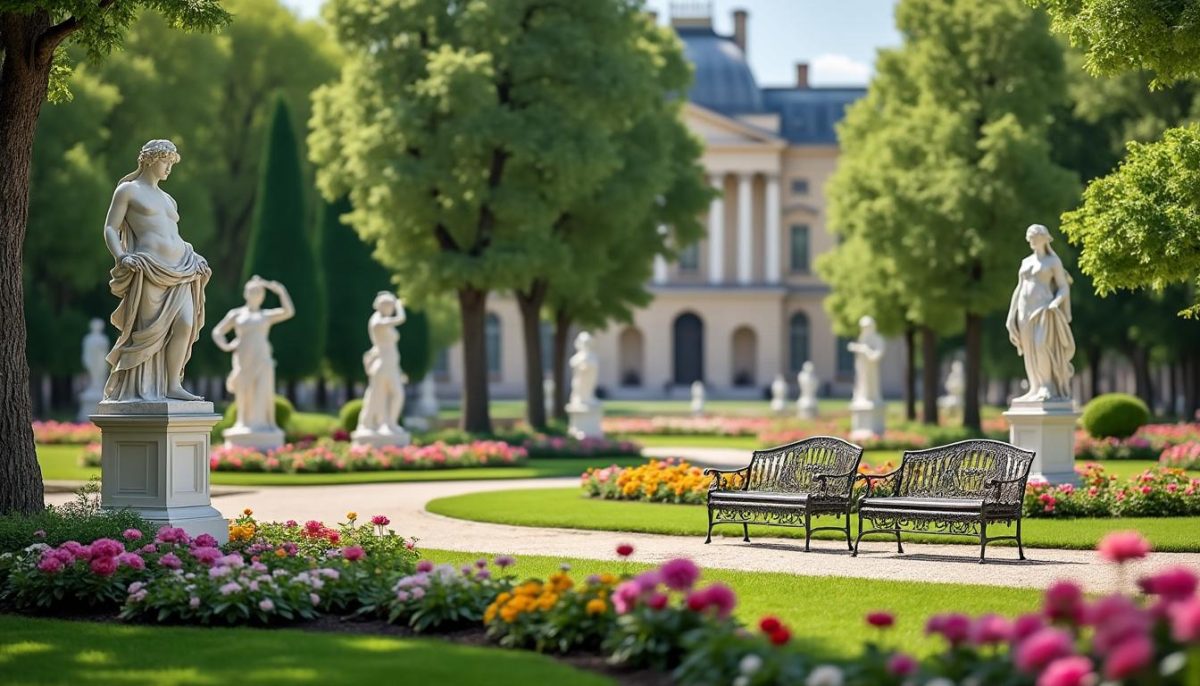
The Jardin du Luxembourg is home to over 115 statues, making it a treasure trove for art enthusiasts. As you stroll through the serene pathways, you’ll encounter works by renowned artists like Auguste Rodin, Antoine Bourdelle, and Aime-Jules Dalou. Each statue offers a glimpse into various facets of French culture, from historical figures to allegorical representations that symbolize different virtues and ideals cherished by the nation.
Among the most notable sculptures are the series of 20 queens that grace the garden’s pathways. These exquisite representations pay homage to women who played influential roles in French history. Not merely decorative, each statue encapsulates a story waiting to be uncovered. Art lovers can appreciate the careful artistry that went into their creation while reflecting on the significant impact these women had on their society.
Within this artistic landscape, the Monument to Delacroix stands out as a centerpiece. Sculpted by Aime-Jules Dalou in 1890, it honors the legendary painter Eugène Delacroix, widely regarded as the father of Romanticism. Visitors can not only admire the monument but also connect it to Delacroix’s body of work, making a visit to this statue an enriching experience for anyone passionate about art and history.
Understanding the Historical Context of Each Sculpture
Each sculpture within the Jardin du Luxembourg serves as a representation of broader historical movements and local artistic trends. The 19th century, for example, was a time of great transformation in France. Sculptors like Rodin and Dalou shaped their art to echo the passions of their time, blending realism with emotional depth. Observing these artworks today offers insight into the cultural zeitgeist of a bustling Paris grappling with modernity.
To understand these pieces further, it’s essential to delve into the stories behind their creators. Auguste Rodin’s influence permeates through various works across Paris. His sculptures often embody raw emotion and intricate human anatomy, capturing ephemeral moments that reflect the complexities of life. Each piece invites dialogue, asking viewers to ponder their meanings through a contemporary lens while appreciating the historical significance.
| Sculpture | Artist | Year | Significance |
|---|---|---|---|
| Monument to Delacroix | Aime-Jules Dalou | 1890 | Honors the romantic painter Eugène Delacroix |
| The Statue of Liberty | Auguste Bartholdi | 1900 | A model for the larger statue in New York |
| Le Triomphe de Silène | Aime-Jules Dalou | 1885 | Celebrates the mythological figure of Silenus |
| Faune Dansant | Eugène Louis Lequesne | 1880 | Represents the Roman God Faunus engaging in dance |
| Bust of Beethoven | Antoine Bourdelle | 1978 | Celebrates the legendary composer |
The Impact of Public Art in Urban Spaces
Public art, like that found in the Jardin du Luxembourg, plays a significant role in enhancing the cultural landscape of cities. Sculptures serve not only as beautiful focal points but also as catalysts for community engagement and discourse. They encourage residents and tourists alike to pause and contemplate, fostering a deeper connection to the city’s heritage. In the park, sculptures offer a perfect blend of nature and art, developing an experience that captivates all who pass through.
Moreover, accessibility is a defining trait of public art. Unlike traditional galleries, where art can seem distant and exclusive, the open-air setting of the garden allows for unrestricted interaction. Visitors have the freedom to engage with the pieces on a personal level, enabling various interpretations to flourish based on individual backgrounds and experiences. This engages the imagination, drawing different communities together through the shared appreciation of creativity.
Future of Sculptural Art in Urban Parks
As urban spaces evolve, the future of sculptural art continues to promise exciting developments. Emerging artists are increasingly integrating technology into their work, crafting immersive experiences that challenge traditional definitions of sculpture. Projects that combine digital elements with physical installations can be expected to draw new audiences to public art. The Jardin du Luxembourg may well become a canvas for innovative projects that reflect contemporary issues while paying homage to its storied past.
Additionally, future sculptures might address themes of sustainability, social justice, and diversity, resonating with the values of a new generation. This evolution in public art can cultivate dialogue and action within communities, inspiring people to engage with their environment thoughtfully. Expect to see this urban park continue to redefine itself as a space that highlights both artistic innovation and historical context.
The Allure of Hidden Gems within the Garden
Beyond the grand sculptures, the Jardin du Luxembourg holds lesser-known gems that deserve exploration. Each corner and avenue sometimes reveals a hidden piece that captivates the eye and compels the beholder to ponder its significance. These lesser-known works provide a contrasting charm to the more celebrated pieces, often representing an untold story or a pivotal moment in French culture.
Among these hidden gems is the statue of Leconte de Lisle, a poet revered for his translations of ancient Greek works. Though arguably overshadowed by more prominent figures, this statue serves as a reminder of the influence of literature on the cultural fabric of France. Additionally, visiting smaller pieces can lead to enriching discoveries, as they often resonate with personal stories that contribute to the multifaceted history of the garden.
As visitors traverse this enchanting space, they should consider taking the time to explore beyond the main thoroughfares. Embracing the quiet intimacy of the smaller artworks can lead to meaningful moments and reflections that enhance their overall experience in this magnificent Parisian garden.
Whether admired for their artistic merit or historical context, the sculptures in the Jardin du Luxembourg remain pivotal in understanding the interplay between nature, art, and cultural identity. Each piece contributes uniquely to a legacy that continues to shape the realm of public art around the world.