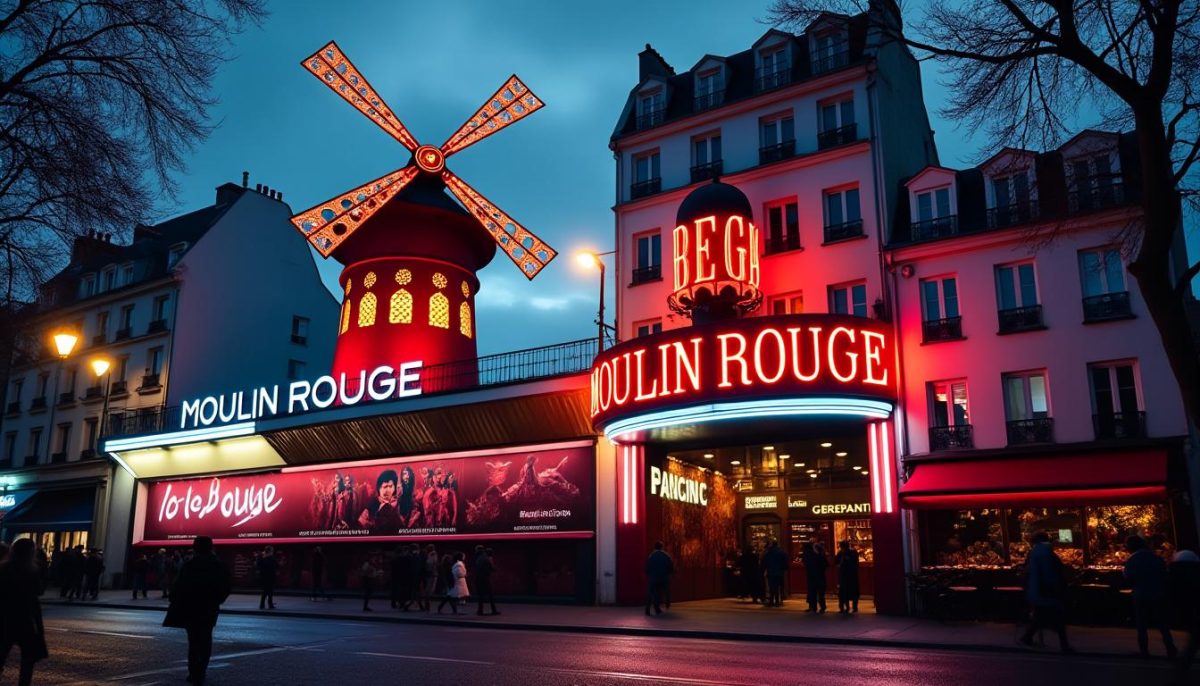
The Moulin Rouge stands as an enduring emblem of Parisian nightlife, steeped in glamour, exuberance, and artistic expression. Opened in 1889, this iconic cabaret nestled in Montmartre quickly became the heartbeat of bohemian life, attracting artists, writers, and performers who contributed to its historical tapestry. Its evolution is nothing short of extraordinary, transforming from a humble dance hall into a global cultural phenomenon. Beneath the glitzy surface lies a wealth of hidden stories, surprises, and unexpected revelations that most visitors may overlook. This exploration seeks to peel back the layers of time, revealing the tales that have shaped this legendary venue into the captivating institution it is today. With each revelation, one gains a deeper appreciation for the enduring spirit of the Moulin Rouge and the vibrant city of Paris itself.
Origins of the Moulin Rouge: A Bohemian Sanctuary
The foundation of the Moulin Rouge is rooted in the cultural upheaval of the late 19th century. Montmartre was a haven for artists seeking refuge from societal norms, offering a wild and uninhibited atmosphere. The cabaret was established by Joseph Oller, a visionary who sought to combine entertainment with a sprinkle of libertine flair. From its inception, the venue attracted a clientele of notable figures, including the famous painter Henri de Toulouse-Lautrec, whose vibrant depictions of the dancers immortalized the cabaret’s allure. Toulouse-Lautrec’s relationship with the Moulin Rouge goes beyond mere artistic fascination; he formed a close bond with a dancer named La Goulue, whose mesmerizing performances captivated audiences. Their stories intertwine in the annals of Parisian nightlife, reminding us that the cabaret was more than a place for entertainment—it was a cultural melting pot where creativity flourished.
As time progressed, the Moulin Rouge began to evolve, introducing elaborate shows intertwined with theatrical performances, music, and the unforgettable Can-Can dance. This high-energy dance, characterized by its rapid leg kicks and flirty costumes, became the cabaret’s signature. In the spirit of innovation, the venue embraced changing tastes, continually redefining itself to attract both locals and tourists. By the early 20th century, the Moulin Rouge had solidified its reputation as the spot to experience the vibrant fabric of Parisian culture, and with each performance, it contributed to the legacy of contemporary art and entertainment.
The Moulin Rouge Today: Maintaining a Legacy
Fast forward to the 21st century, where the Moulin Rouge remains an integral part of Parisian identity. Today, it employs around 1,500 people, showcasing the scale of its operations. This includes an array of performers, artists, and behind-the-scenes staff dedicated to maintaining the cabaret’s high standards. The current artistic director, Jean-Jacques Clerico, brings fresh innovations, drawing inspiration from global performances, including those from Las Vegas, while retaining the cabaret’s traditional charm. The venue is not merely a relic of the past; it is a thriving hub of entertainment, attracting nearly 600,000 visitors each year.
What makes the Moulin Rouge particularly intriguing is its ability to appeal to a diverse audience. Although often considered a tourist magnet, approximately fifty percent of its audience is composed of locals, testifying to its ongoing relevance. The blend of enchanting performances and authentic Parisian atmosphere makes each visit feel special, as if stepping into a world where time stands still. However, this captured essence of brilliance has not come without challenges, as the cabaret has weathered both financial turmoil and artistic criticisms throughout its storied history.
Revelations About the Iconic Performers and Their Stories
The performers of the Moulin Rouge have become legends in their own right. Each dancer, singer, and artist not only contributes to the spectacle of the shows but embodies the spirit of the cabaret, giving life to its distinct narrative. This section unveils the unexpected stories of some of the magical performers who have graced its stage. For instance, the illustrious Doriss Girls, known for their stunning costumes and captivating dance moves, have been a centerpiece of the Moulin Rouge since 1957. Under the guidance of German choreographer Mlle. Doriss, these dancers continue to enchant audiences with their elegance and poise.
Moreover, the storied history of the cabaret has seen iconic figures such as Edith Piaf and Yves Montand perform on its hallowed stage. Piaf, known as ‘La Vie en rose’ singer, graced the Moulin Rouge mere days after the Liberation of Paris in 1944. Her performance revived the spirit of the city during a time of healing and rejuvenation. Montand also made his debut at the cabaret, further entwining the venue with the legacy of French music.
It’s fascinating to consider how the blending of talents, including actors, singers, and dancers, contributes to the multifaceted nature of cabaret entertainment. Each performance tells a unique story of passion, determination, and artistry. This synergy between performers creates an atmosphere that resonates deeply with the audience, ensuring that the legacy of the Moulin Rouge continues to thrive.
A Legacy in Craftsmanship and Costume Design
Another striking revelation lies in the high-quality craftsmanship behind the Moulin Rouge’s elaborate costumes. Since 1929, the spectacular feathered outfits worn by dancers have been supplied by the prestigious Maison Février, a family business rooted in tradition. The meticulous process of transforming raw feathers into breathtaking attire showcases the dedication to preserving the iconic aesthetics associated with cabaret culture. Each costume is intricately designed and undergoes rigorous testing to ensure it meets the high standards of performance.
In tandem with the craftsmanship behind the costumes, the handmade shoes worn by performers further contribute to the overall experience. Since 1945, Maison Clairvoy has been responsible for crafting bespoke footwear for the cabaret. With approximately 250 steps involved in creating a single pair, these shoes represent a relationship between art and functionality, allowing performers to fulfill their roles with grace and confidence.
The attention to detail in both the costumes and the shoes highlights the Moulin Rouge’s commitment to maintaining an authentic and visually stunning experience. Visitors to the cabaret are not only treated to performances but also witness the beauty of artistry in every aspect of the production, reinforcing the importance of craftsmanship in preserving the tradition of cabaret entertainment.
The Secrets and Scandals in Moulin Rouge’s History
Throughout its long history, the Moulin Rouge has been no stranger to scandal and intrigue. The early 20th century marked a pivotal moment when French writer Colette performed with the Marquise de Morny, a partnership that culminated in a controversial kiss on stage. This act created a media frenzy and prompted local authorities to threaten the cabaret with closure, as public sensibilities were tested amid the era’s shifting morality. Such incidents illustrate the cabaret’s position as a cultural touchpoint where societal norms were challenged, allowing for a new wave of artistic expression.
Additionally, the cabaret faced numerous threats over its existence, including the near destruction of the iconic red mill in 1915 due to a devastating fire. This moment serves as a testament to the resilience and determination of the owners and staff who rallied to restore the venue, ensuring its survival and continued relevance in the entertainment sector. In the late 1990s, the Moulin Rouge encountered financial difficulties that nearly led to bankruptcy; however, the Clerico family intervened, injecting eight million euros into revitalizing the venue, leading to the successful re-opening of its lavishly reimagined show, ‘Féerie’ in 1999.
These revelations of scandal and struggle remind us that the essence of the Moulin Rouge has always been intertwined with the spirit of Paris itself—a city that has continuously embraced change while respecting its storied past. Today, the cabaret remains a bastion of artistic freedom, melody, and dance, inviting visitors to savor each moment within its illustrious history.
The Impact of Moulin Rouge on Popular Culture
Perhaps one of the most fascinating dimensions of the Moulin Rouge is its enduring impact on popular culture. The stories of the cabaret have transcended generations, inspiring numerous adaptations in film, literature, and theater. The Broadway musical adaptation of the celebrated 2001 movie, “Moulin Rouge!,” brought the exuberance of the cabaret to new audiences, offering a fresh perspective that celebrated the fusion of different art forms.
Films bearing the name “Moulin Rouge” serve as cultural building blocks that have reshaped perceptions of cabaret entertainment worldwide. They portray the dazzling world of high-kicks and romance, while also drawing attention to the struggles and triumphs of its vibrant performers. This blend serves as an outlet for stories often left untold, showcasing the hearts and minds behind the art.
The legacy of the Moulin Rouge ultimately lies in its ability to connect various artistic expressions, illustrating the notion that cabaret is not merely performances, but a vital part of the cultural landscape of Paris and beyond. As we explore the hidden stories of this legendary cabaret, it becomes clear that its themes of love, resilience, and expression will continue to resonate for generations to come.
| Element | Significance |
|---|---|
| Moulin Rouge | Icon of Parisian nightlife; cultural hub for performers. |
| Can-Can Dance | Signature dance; symbolizes the rebellious spirit of cabaret. |
| Doriss Girls | Embodiment of grace and elegance; vital to shows since 1957. |
| Toulouse-Lautrec | Artist who captured the essence of Moulin Rouge; part of its legacy. |
| Féerie Show | Revitalization of the cabaret in 1999; continued artistic innovation. |