In the heart of Paris, the Musée de la Vie Romantique stands as a tribute to the Romantic Era that swept through the arts and literature in the 19th century. This historic house, nestled at the foot of Montmartre, was once the residence of the painter Ary Scheffer, known for his enchanting interpretations of Romantic ideals. Visitors are drawn into a world where art, culture, and history converge, transforming a simple visit into a captivating journey through time. Among the treasures housed here are artifacts and art pieces that connect the legacy of famous figures such as George Sand and Frédéric Chopin, artists whose lives intertwined within these walls during the vibrant salons hosted by Scheffer. As you step into this museum, it’s as if the very spirit of the Romantic Life envelops you, whispering stories of love, creativity, and the pursuit of beauty that characterize the era.
The Historic Significance of the Musée de la Vie Romantique
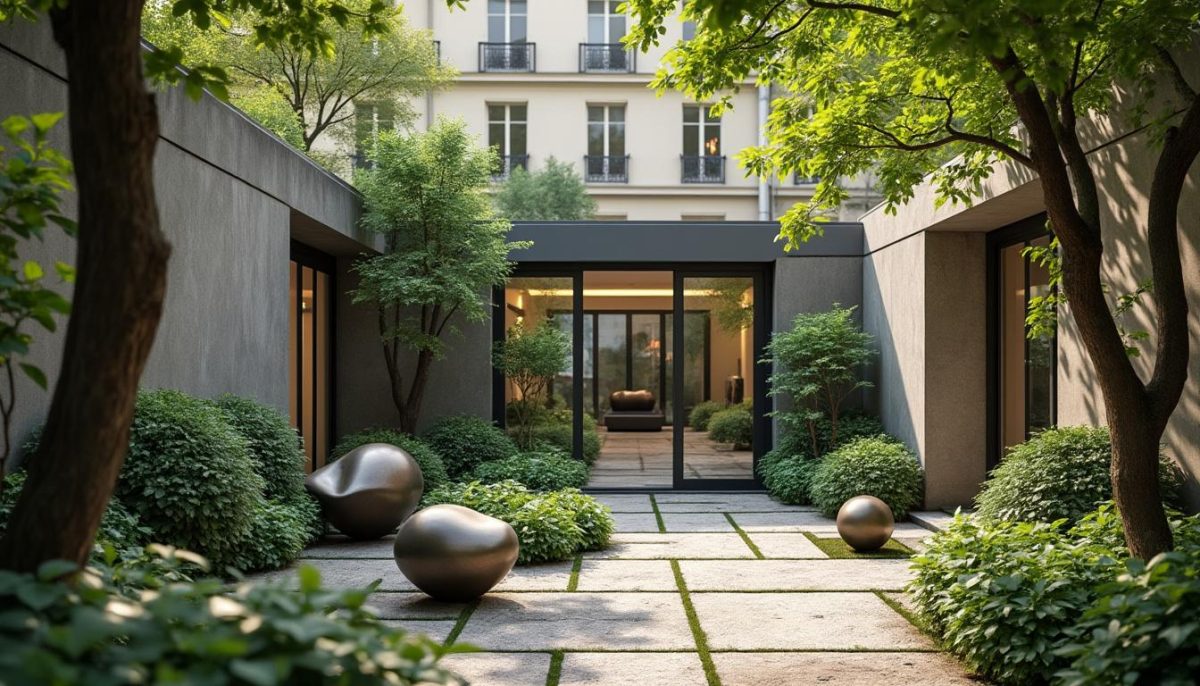
The Musée de la Vie Romantique is not just an artistic haven; it’s also a reflection of the cultural heritage of Parisian society in the mid-1800s. Built in a charming hôtel particulier in the district known as Nouvelle Athènes, the museum’s charm lies in its preserved architecture and intimate atmosphere. Nouvelle Athènes emerged as a hub for the bourgeoisie, artists, and intellectuals, featuring many buildings that mirror the style of London’s townhouses. Here, the museum showcases a beautiful facade, painted in soft hues of pink and green, that invites visitors to explore its serene courtyard and lovely garden.
Beyond its aesthetic appeal, the museum is rich in literary history. Ary Scheffer, the original owner, organized salons that became popular gathering spots for prominent figures of the era. Influential personalities such as George Sand, Frédéric Chopin, Eugène Delacroix, and Charles Dickens enlivened these evenings with their discussions and performances. The mix of personalities and the exchange of ideas fostered a creative environment that encouraged the flourishing of French art and culture during that period, making the museum a focal point of Romanticism in Paris. Visitors can find remnants of these gatherings, from the artwork to personal items, evoking the spirit of camaraderie and inspiration.
Upon entering, the ground floor unveils an intimate showcase dedicated to George Sand. Visitors can admire portraits, personal jewelry, and even facilities that remind them of Sand’s artistic presence. The museum not only displays art but also offers a glimpse into the emotions and relationships that fueled the creative spirits of its inhabitants. As you venture upwards, the collections extend to Ary Scheffer’s own remarkable works, alongside 19th-century sculptures and objects that breathe life into the legacy of Romantic history. Each piece tells a story, drawing connections between the art and the artists themselves, enriching the tapestry of Paris’s cultural narrative.
Art and Artifacts: A Journey Through Romanticism
The collection at the Musée de la Vie Romantique serves as a journey through art history, showcasing the evolution of Romantic ideals from their inception to their enduring influence. One cannot help but be captivated by the emotional depth conveyed through Scheffer’s pieces, whose works portray themes of love, nature, and the sublime. Key artworks on display offer insights into his artistic philosophy while reflecting the broader societal transformations occurring during the 19th century. His paintings often depict subjects steeped in nostalgia, which is emblematic of the Romantic movement that embraced emotion and individualism.
The second floor reveals an extensive array of works from various artists of the Romantic period, featuring paintings, sculptures, and decorative arts that define the ethos of the time. Visitors will often find themselves lost in contemplation while perusing the evocative landscapes and emotive portraits that encapsulate the struggles, passions, and dreams of those who lived in the era. Not surprisingly, the museum also highlights significant local figures, such as the scholar Ernest Renan, who further enrich the visitor’s understanding of this cultural epoch.
The interplay between art and literature makes the museum a treasure trove for those interested in the literary history of Romanticism. From mementos of George Sand’s literary pursuits to artifacts that link her to Chopin, the intimate nature of the exhibits allows visitors to explore the lives intertwined within these surroundings. The museum serves not just as a gallery but also as a narrative space where the stories of its storied past come to life. For art enthusiasts and casual visitors alike, it’s a place where one can not only observe but also actively engage with the Romantic ethos.
Cultural Events and Community Engagement
The Musée de la Vie Romantique is committed to honoring the spirit of the Romantic era by organizing a variety of cultural events throughout the year. In addition to exhibitions, the museum hosts concerts, readings, and workshops, creating a dynamic environment that actively engages the community. These events often feature the works of contemporary artists who draw inspiration from Romantic ideals, providing a platform for fostering creativity and innovation within the cultural landscape of Paris. For instance, the garden often becomes a serene backdrop for outdoor concerts, where attendees can savor not only the music but also the tranquility of nature.
Visitors to the museum will be pleased to discover that the stunning garden space includes a tearoom, which opens to the public during the warmer months. Here, one can enjoy a moment of reflection, sipping tea or coffee while nibbling on traditional Madeleines, a treat that resonates with the French appreciation for culinary and cultural delights. This aspect of the museum experience allows guests to indulge in the simple pleasures reminiscent of the Romantic lifestyle, embracing a slower pace that aligns with the museum’s historical context.
Through its diverse programming, the museum not only preserves the cultural heritage of the Romantic era but also ensures that it remains relevant to today’s audiences. By offering a platform for discussions and explorations of modern interpretations of Romantic thought, it helps create a dialogue between the past and the present. For locals and visitors, participating in these events further enriches their understanding of the art and ideas that shaped a pivotal moment in history.
Visiting the Musée de la Vie Romantique: Practical Information
Planning a visit to the Musée de la Vie Romantique is straightforward, making it a perfect stop for those exploring the vibrant area of Montmartre. The museum is conveniently located at 16 rue Chaptal and is accessible via several metro stations, including Saint Georges, Pigalle, and Blanche. Open from Tuesday to Sunday, 10 a.m. to 6 p.m., the museum welcomes guests to experience its enchanting collections year-round.
Admission is free for the permanent collections, with a nominal fee for temporary exhibitions, making it accessible for everyone seeking to delve into the rich tapestry of Romanticism. Annual exhibitions introduce new themes and perspectives, ensuring that even repeat visitors can discover something fresh at each return. The easy accessibility and engaging programming contribute to the museum’s status as one of the notable Paris museums that celebrate the innovative spirit of the past while looking forward to new interpretations of its legacy.
| Attraction | Location | Opening Hours | Admission |
|---|---|---|---|
| Musée de la Vie Romantique | 16 rue Chaptal, Paris | Tuesday – Sunday, 10 a.m. – 6 p.m. | Free (Permanent Collections) |
In light of its enchanting atmosphere and deep-rooted history, the Musée de la Vie Romantique continues to attract both art lovers and those curious about the Romantic Life. Whether you are a first-time visitor or a seasoned patron, this Paris museum is a delightful experience that promises to engage and inspire.