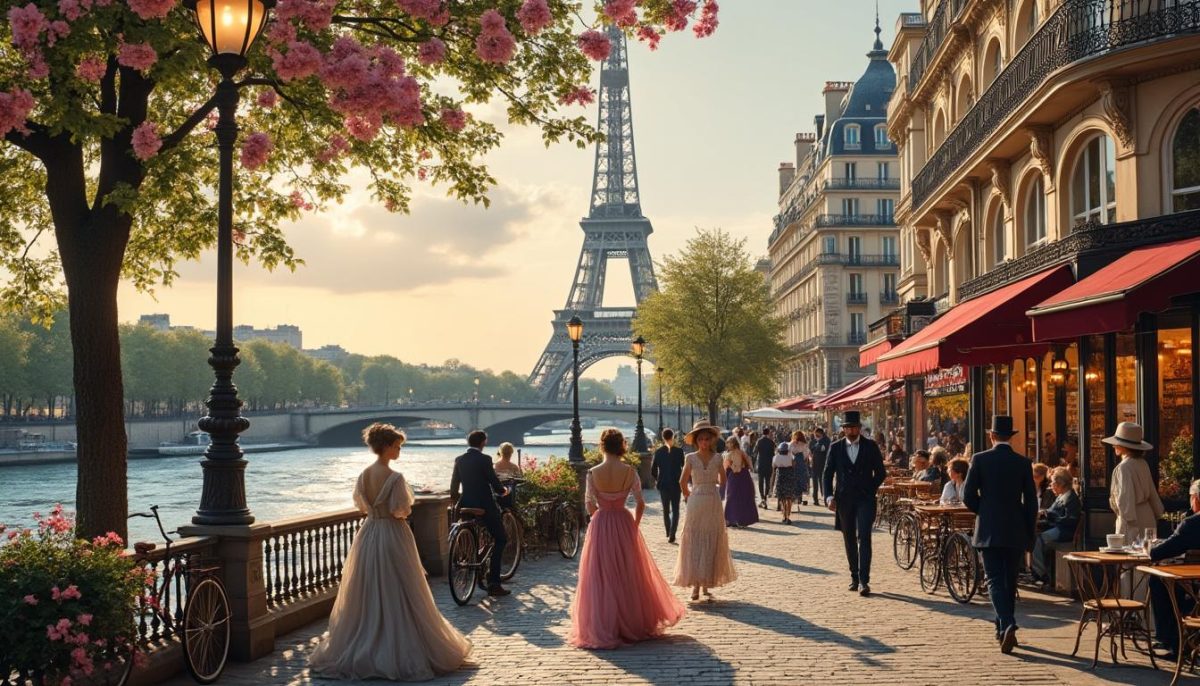
In a city revered for its rich tapestry of art and history, Paris boasts more than 130 museums that cater to every type of art lover and history buff. Each of these institutions offers a unique lens through which to view the cultural heritage of France and the world. From iconic landmarks like the Louvre and the Musée d’Orsay to hidden gems nestled in quaint neighborhoods, the must-visit museums of Paris present a diverse array of exhibitions that celebrate not just art, but the very essence of culture. This thriving art scene is not merely a backdrop; it actively shapes the identity of the city, inviting locals and tourists alike to engage with their surroundings in profound ways. As we delve deeper into some of the must-visit museums in Paris, the stories housed within their walls begin to illuminate the heart of this enchanting city.
Exploring the Iconic Louvre Museum
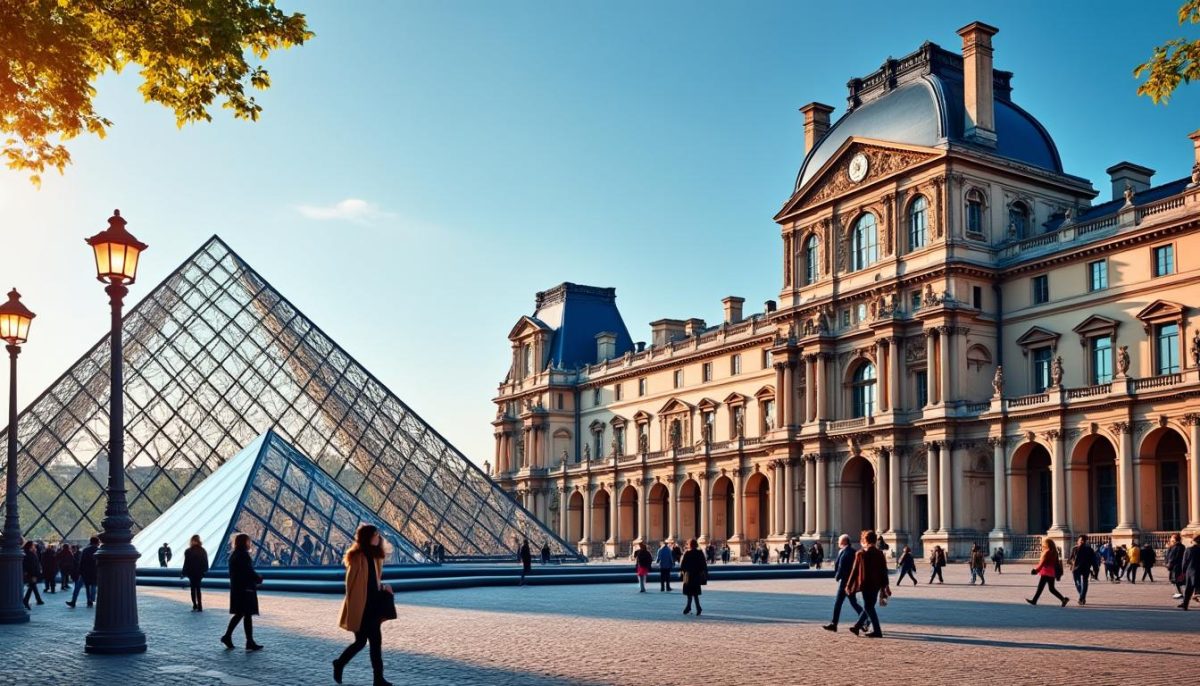
The Louvre, the world’s largest art museum, stands as a testament to the pinnacle of artistic achievement. Its vast collection includes over 380,000 objects, with around 35,000 pieces on display at any given time. Visitors flock to see masterpieces such as the Mona Lisa and the Venus de Milo, both of which have become synonymous with the museum itself. A visit to the Louvre is not merely about seeing art; it’s about experiencing the sheer magnitude of a place that has housed centuries of history.
Arts and Architectural Marvels
The museum’s architectural splendor is equally striking. The glass pyramid entrance, designed by architect I.M. Pei, has become an iconic symbol of modern Paris. This juxtaposition of contemporary design amidst classical architecture invites debate about the role of museums in the modern world. Was the pyramid a welcome addition, or does it overshadow the historical elegance of the Louvre’s historic palace?
Moreover, beyond the famous paintings, the Louvre houses extensive collections of crown jewels, ancient artifacts, and Mesopotamian treasures. Each gallery at the Louvre is a world in itself, offering insights into various eras and cultures. There are even exhibitions dedicated to photography and works on paper, challenging traditional notions of what constitutes ‘art.’ Visitors can take part in guided tours that delve into thematic explorations of the collection, affording a richer understanding of each piece.
The Modern Masterpieces of the Musée d’Orsay
The Musée d’Orsay provides a striking contrast to the Louvre, focusing on art from the 19th and early 20th centuries. Housed in a former railway station, the museum is known for its exceptional collection of Impressionist and Post-Impressionist masterpieces, featuring works by Monet, Van Gogh, and Renoir. The sheer variety is staggering, showcasing how these artists broke away from traditional techniques and formed new approaches to representing light, color, and emotion.
Immersive Experiences and Exhibitions
Aside from its collection, the museum offers various temporary exhibitions that explore specific themes or artists in depth. One might find themselves immersed in a sensory experience, surrounded by the works of artists in a unique context that challenges traditional viewing methods. For example, exhibitions that explore the social contexts surrounding art creation offer invaluable insights into the life and motivations of artists. Meanwhile, the rooftop terrace presents a breathtaking view over the Seine, further solidifying the museum’s allure.
Art lovers frequently engage with interactive displays that help demystify the techniques used by these revolutionary artists. Students and art historians alike benefit from workshops hosted within the museum, promoting a deeper appreciation for the complexities of each artwork. The Musée d’Orsay is not just a feast for the eyes; it is an invitation to experience the very evolution of artistic expression.
Intimate Discoveries: The City of Paris Museums
Among the less celebrated yet equally fascinating institutions are the City of Paris Museums. Established under a new management structure since 2013, these fourteen museums, often free to enter, showcase the city’s diverse culture and history in intimate settings. From the Musée Carnavalet, which chronicles the history of Paris, to the Musée Zadkine, dedicated to the sculptor Ossip Zadkine, there are treasures waiting to be discovered off the typical tourist path.
Unique Collections and Historical Significance
Each of these museums offers something unique. For instance, the Musée Carnavalet is housed in two elegant mansions that themselves are a part of Parisian history. The artifacts and exhibits cover significant events from the French Revolution to the Belle Époque, providing an engaging narrative that transports visitors through time.
Similarly, the architecture of the Musée Cognacq-Jay encapsulates the 18th century with its extravagant decor. This small museum, filled with art and decorations collected by the founder of La Samaritaine, tells an intimate story about wealth and taste in a bygone era. Each museum emphasizes a different aspect of Parisian identity, inviting new narratives and interpretations.
| Museum | Location | Admission Fee |
|---|---|---|
| Musée Carnavalet | 23 rue de Sévigné, 3rd Arrondissement | Free |
| Musée Cognacq-Jay | 8 Rue Elzevir, 3rd Arrondissement | Free |
| Musée Zadkine | 100 bis Rue d’Assas, 6th Arrondissement | Free |
| Maison de Balzac | 47 Rue Raynouard, 16th Arrondissement | €6 |
Experiencing Art and Culture at the Petit Palais
The Petit Palais is a hidden gem that offers visitors an incredible journey through the history of fine arts. This intimate museum features a stunning collection of paintings, sculptures, and decorative arts from antiquity to the early 20th century. The architecture of the Petit Palais itself is worth noting; its ornate facade and beautiful gardens invite visitors to reflect on art in a serene environment.
Cultural Access and Engagement
One of the highlights of visiting the Petit Palais is the accessibility it offers to top-tier art without the crowds often found in larger museums. The magnificent collection includes works by artists such as Delacroix, Courbet, and Rembrandt, allowing visitors to experience masterpieces in a tranquil setting. This art museum also hosts various exhibitions and events throughout the year, further enhancing its cultural significance.
The gardens surrounding the museum provide an excellent space for contemplation and relaxation after a day of cultural immersion. The Petit Palais creates a unique balance between art appreciation and the natural beauty of its surroundings, thereby enriching the visitor’s experience. For those who enjoy a quieter atmosphere, this is a must-visit destination.
Conclusion: The Ever-Evolving Art Scene in Paris
Although a formal conclusion is not relevant, it’s important to highlight how the evolving art scene in Paris offers countless opportunities for exploration and learning. Whether visiting some of the most revered institutions like the Louvre and the Musée d’Orsay or discovering local gems within the City of Paris Museums, each destination serves to deepen one’s appreciation for the intricate tapestry that is Parisian culture. Engaging with these museums enriches lives and provides a unique lens into the artistic and historical narratives that continue to shape this vibrant city.