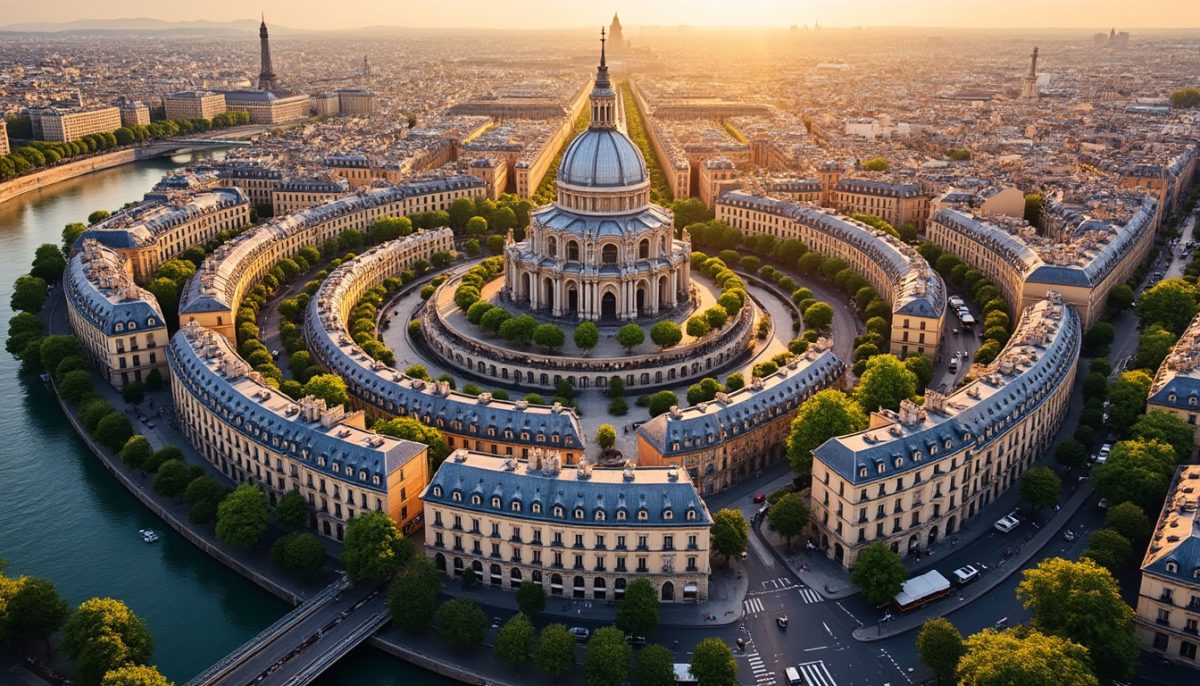
Paris, a city defined not just by its iconic landmarks but also by its unique layout, invites exploration of its unmistakable character through its twenty arrondissements. This structured spiral starting from the heart of the city reveals a tapestry of culture, architecture, and local life. Understanding how these districts interconnect is crucial for navigating the city like a local. Each arrondissement possesses its own personality, from the bustling thoroughfares of the historic center to the serene residential streets further out. As we venture through this journey, we discover how each neighborhood tells its own story while contributing to the broader narrative of the City of Light.
Exploring the Heart of Paris: The 1st and 2nd Arrondissements
The 1st arrondissement, famously home to the Louvre Museum, is where art and history converge. Walking along the Rue de Rivoli, the majestic entrance of the museum welcomes countless visitors eager to immerse themselves in its vast collection. Just beyond the Louvre, the Tuileries Garden offers a serene escape with its manicured lawns and fountains, perfect for a moment of contemplation amidst the urban hustle.
Moving north to the 2nd arrondissement, one finds a contrasting atmosphere characterized by a compact layout and eclectic charm. Known for its covered passages, this area presents hidden gems—boutiques and quaint cafés tucked away from the tourist trails. Here, the lively pace creates a distinctly Parisian vibe, where locals intermingle with visitors. The 1st and 2nd arrondissements not only provide access to major sights but also allow explorers to feel the vibrant pulse of everyday Parisian life.
Historic Landmarks and Everyday Life
At the center of this bustling area lies Châtelet-Les Halles, a major transport hub that showcases the blending of history with modern infrastructure. The area is replete with outdoor cafés and performance spaces, making it a dynamic locale for both relaxation and entertainment. Imagine grabbing a coffee at a historic café while being surrounded by the vibrant backdrop of one of the world’s most important cultural crossroads.
The 2nd arrondissement, though often overlooked, serves as a retreat with its winding streets and hidden eateries. Here, one can wander without the feeling of being rushed, discovering local bakeries or art galleries that add a local flavor to the travel experience. This blend of major landmarks alongside local life in the 1st and 2nd arrondissements profoundly illustrates the dual character of Paris: a city that cherishes its past while living actively in the present.
The Lively Streets of Le Marais: 3rd and 4th Arrondissements
Le Marais, stretching across the 3rd and 4th arrondissements, stands out as one of Paris’s most vibrant neighborhoods, blending history and contemporary culture seamlessly. The architecture is a reflection of the city’s aristocratic past, with narrow streets flanked by grand mansions now housing cozy boutiques, art galleries, and inviting cafés.
The area is also notable for its diverse culinary scene. From classic French bistros to innovative eateries, gastronomy in Le Marais beckons food lovers from all corners of the globe. Visitors can find themselves dining al fresco, sampling traditional dishes like duck confit or more modern interpretations of French cuisine. The lively atmosphere invites you to linger, as the outdoor tables fill with both locals and tourists eager to savor the Parisian lifestyle.
Cultural Mosaic
On the cultural front, Le Marais is rich in history, home to landmarks such as the Picasso Museum and the historic Place des Vosges. This square, with its picturesque surroundings, serves as a perfect example of the blend of community engagement and tourism—locals enjoying a leisurely day while visitors capture the essence of Paris.
Not far from the main attractions, a walk to Île de la Cité unveils significant historical sites, including the iconic Notre-Dame Cathedral. This island, once the heart of medieval Paris, remains vital to the city’s identity. A stroll along the Seine offers picturesque views, adding another layer to the experience. The synergy of culture and everyday life within Le Marais enhances its status as a must-visit locale for anyone seeking a deeper understanding of the city’s character.
Academic and Artistic Flare in the Latin Quarter: 5th Arrondissement
No exploration of Paris would be complete without a dive into the 5th arrondissement, home to the famed Latin Quarter. A historical hub of intellectual activity, this area has been alive with youthful energy, largely due to the proximity of the Sorbonne University. The academic vibe is palpable with lively discussions spilling out from cafés and bookstores.
The cobblestone streets create a charming ambiance, inviting visitors to wander and explore the hidden treasures tucked away between the bustling main roads. Bookshops—some of which are several centuries old—line the avenues, echoing a rich literary tradition. The Panthéon, a mausoleum for great cultural figures, looms at the end of the boulevard, reminding us of the legacy that permeates the district.
Spirit of Community
The Latin Quarter is not merely a student hub; its streets are alive with the vibrancy of diverse cultural representations. Artists, musicians, and performers fill the squares, creating a lively atmosphere that resonates with both residents and visitors alike. The cafés, where renowned writers once gathered, continue to be the ideal places for intellectual and artistic discourse.
The intersection of education and entertainment in the Latin Quarter makes it a vivid tapestry of historical significance and contemporary charm. Here, the past and present coexist harmoniously, offering a glimpse into the essence of Paris, where ideas can flourish and creativity knows no bounds.
Serenity in Saint-Germain-des-Prés: 6th Arrondissement
Venturing into the 6th arrondissement, one encounters Saint-Germain-des-Prés, a neighborhood defined by its elegance and sophisticated charm. The area has been home to numerous artists and philosophers over the decades, including famed existentialists who frequented its chic cafés. Today, one can still sense the spirit of intellectual debate in the air.
The broad, tree-lined boulevards are punctuated by stylish boutiques and high-end eateries, making this area perfect for leisurely strolls. As you wander, it becomes impossible not to stop at iconic cafés such as Les Deux Magots or Café de Flore, which have served as meeting points for Paris’s creative minds throughout history.
Art and Culinary Experiences
The atmosphere here is one of refinement and tranquility, a welcome contrast to the busier arrondissements. The Luxembourg Gardens offer a peaceful escape, where locals and visitors alike can relax with a book or enjoy a picnic among the meticulously manicured surroundings. Art galleries dotted throughout further enrich the experience, showcasing both classic and contemporary works.
Saint-Germain-des-Prés embodies the quintessential Parisian lifestyle, marrying sophistication with approachability. It invites exploration, allowing visitors to revel in a slice of culture that feels simultaneously historic and alive. This arrondissement eloquently articulates the nuanced layers of Paris, offering experiences that resonate on both personal and collective levels.
A Glimpse into the Residential Life: 7th to 20th Arrondissements
As one progresses to the 7th arrondissement and beyond, the focus shifts from iconic tourist attractions to the heart of Parisian residential life. The 7th, with its proximity to the Eiffel Tower, balances stunning views with a neighborhood feel. Streets are wider and quieter, filled with local cafés and markets that demonstrate the daily rhythm of life in this global city.
The character of the subsequent arrondissements varies distinctly. The 8th and 9th reveal a more commercial energy with the Champs-Élysées and Opéra area respectively, while the 10th arrondissement around Canal Saint-Martin presents a more laid-back atmosphere, where people gather alongside the water, enjoying life at a slower pace.
The Diversity of Experiences
Each district contributes its charm, inviting visitors to experience the multifaceted spirit of Paris. The 11th and 12th arrondissements reflect everyday community life with vibrant markets and bistros that capture the essence of local culture. Moving further out, neighborhoods like the 19th and 20th arrondissements present a diverse mosaic filled with art and history, drawing those eager to explore the less-traveled paths.
This journey through the arrondissements of Paris reveals not just a city structured by numbers and streets but a vibrant landscape filled with stories waiting to be discovered. Embracing every neighborhood, from the historical to the contemporary, provides a holistic view into what makes Paris unique—a city that endlessly inspires and captivates.