The enchanting city of Paris is imbued with a rich tapestry of history, art, and spirituality, seamlessly woven together through its spectacular churches and cathedrals. These majestic structures not only serve as places of worship but also stand as enduring symbols of the city’s architectural prowess and cultural heritage. From the soaring spires of the Gothic masterpieces to the serene facades of Baroque churches, each ecclesiastical site offers a unique glimpse into Paris’s storied past. Walking through the streets of this vibrant metropolis, one can hardly miss the remarkable beauty and significance of these sacred landmarks, calling to mind the tales of devotion, artistry, and community they have witnessed over centuries.
In 2026, as we find ourselves in a rapidly changing world, the timelessness of these religious sites reminds us of the enduring power of faith and the craft of human creativity. With heightened interest in their histories, many visitors are drawn to explore these religious sanctuaries, often captivated by their architectural details and the stories bound within their walls. The churches of Paris serve not only as tourist attractions but also as venues for cultural events, including classical music concerts, enriching the visitor experience and further bridging the gap between the sacred and the secular.
The Architectural Diversity of Parisian Churches
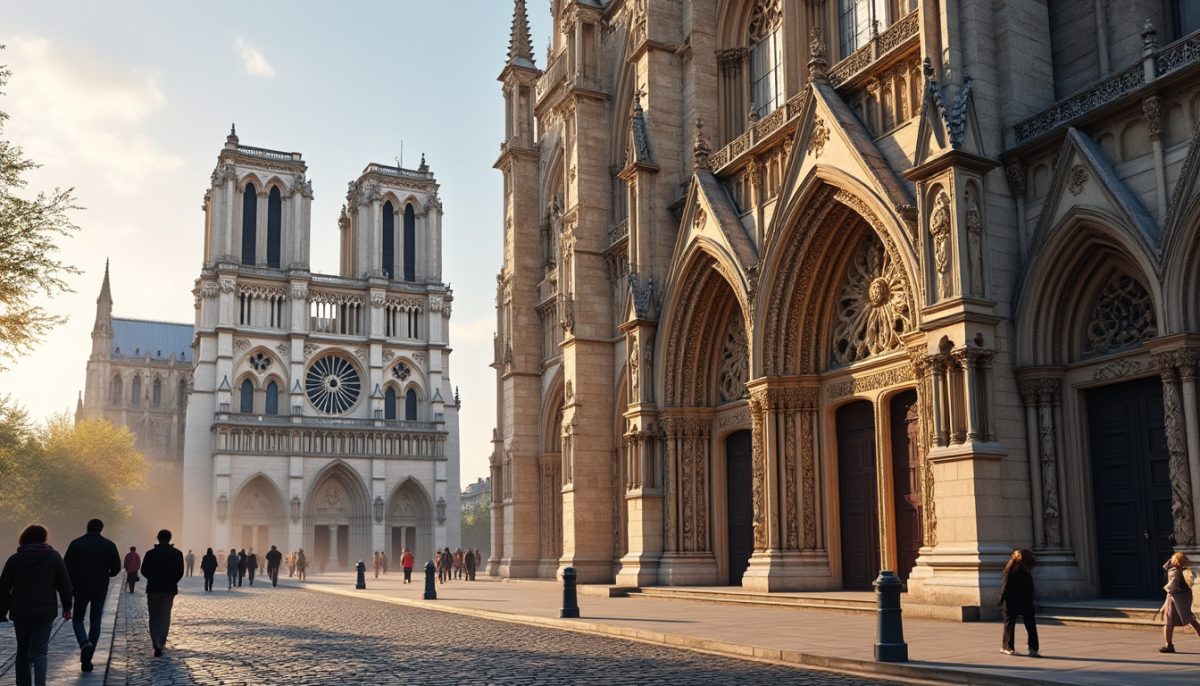
Paris boasts a stunning array of churches and cathedrals, each reflecting different architectural styles spanning centuries. Gothic architecture, renowned for its height, intricate details, and flying buttresses, remains a significant highlight when discussing the city’s churches. The Notre-Dame Cathedral, perhaps the most iconic of them all, exemplifies the Gothic style that captivated the hearts of many. Begun in 1160, Notre-Dame took over two hundred years to complete, embodying the creativity and ambition of its era. Today, even as restoration efforts continue following the devastating fire of 2019, this landmark stands resilient, symbolizing the faith and endurance of the city itself.
Other notable Gothic structures include Sainte-Chapelle, finished in 1248, which is famed for its breathtaking stained glass windows that tell biblical stories in vibrant hues. These windows are often regarded as some of the finest examples of medieval art. They not only allow visitors to admire the artistry but also immerse them in the ethereal ambiance that fills this unique chapel. With its soaring architecture and delicate light, Sainte-Chapelle serves as a testament to the skill of the builders and the spiritual aspirations of the age.
In contrast, the Église de la Madeleine showcases a neoclassical façade that illustrates the influence of ancient Greek and Roman architecture. Originally conceived by Napoleon as a tribute to his Grand Army, this church took decades to complete due to changing political climates. It finally opened its doors in 1842 and has since evolved into a central venue for classical music performances, blending the sacred with the cultural.
Moreover, many churches reflect a combination of styles due to renovations and adaptations throughout the years. For instance, Saint-Germain-des-Prés, one of the oldest churches in Paris dating back to the 6th century, showcases influences from multiple periods and offers a picturesque view of the city’s architectural evolution. Each church thus serves as a living laboratory of styles and influences, welcoming visitors to explore their diverse stories.
The Role of Churches in Parisian Cultural Life
Beyond their spiritual significance, churches and cathedrals in Paris play essential roles in cultural and community life. Many of these locations host concerts, particularly classical music events, taking advantage of exceptional acoustics that enhance the musical experience. Sainte-Chapelle is admired not just for its architectural beauty but also for its regular concert performances, where attendees can enjoy exquisite renditions of classical masterpieces surrounded by stunning stained glass.
Another venue of note is Église Saint-Eustache, located near the historic Les Halles market. This church, with its impressive Gothic design, also hosts concerts. The harmonious relationship between architecture and music creates a compelling atmosphere that resonates deeply with both locals and tourists. Additionally, churches like Saint-Sulpice have gained recognition for their art, as visitors are often drawn to Delacroix’s mural, “Jacob Wrestling the Angel,” which is housed within its walls. This intertwining of art and spirituality is a hallmark of Parisian life.
Moreover, during the holiday season, some churches offer special events, drawing crowds eager to partake in traditional celebrations. Visitors planning to be in Paris around Christmas might want to explore festive services, where they can witness beautiful decorations and even midnight masses filled with splendid music. Exploring these churches offers a unique opportunity to experience local culture in a deeply personal and historical setting.
The Cultural Significance of Heritage Preservation
In an era where many historical landmarks are at risk of neglect due to urbanization, churches in Paris represent significant efforts toward heritage preservation. These buildings serve as vital connections to the past, teaching about the evolution of architectural styles and religious practices over the centuries. The maintenance and restoration of these structures reflect a societal commitment to preserving cultural identity amidst changing times.
For example, ongoing restoration projects at Notre-Dame Cathedral highlight the importance of safeguarding architectural heritage. The fire of 2019 led to an international response, sparking a widespread discussion about how we honor and preserve our historical sites. The cathedral’s transformation will accommodate modern needs while respecting its original design, showcasing that progress does not have to come at the expense of traditions.
Similarly, Saint-Germain-des-Prés continues to play an essential role in the local community, offering a site of reflection that has witnessed the city’s growth and changes. With its roots in the 6th century, it stands as a monument not just to faith but to the resilience of cultural heritage as well. Each brick and arch tells a story, making churches like this vital pages in Paris’s living history.
As we move further into the 21st century, the necessity for these preservation efforts becomes increasingly critical. Communities are reminded of their identity and history through the existence of these sacred spaces, imparting a sense of continuity and belonging in a rapidly evolving world.
A Journey of Exploration Through History and Architecture
Exploring the churches of Paris is not merely a stroll through historic sites; it is an immersive journey that bridges the past and present. Each cathedral and church holds stories of the very fabric of Parisian life, capturing fleeting moments of joy and sorrow across generations. Walking through the streets, one can appreciate the city not only as a backdrop for personal experiences but as a living mosaic of human expression.
From the serene atmosphere of a small chapel tucked away in a quiet neighborhood to the grandeur of Sacré-Cœur Basilica perched atop Montmartre, Paris offers a plethora of experiences that cater to every wanderer’s curiosity. The basilica, completed in 1914, is a masterpiece of white domes, providing stunning panoramic views of the city. Here, visitors can not only admire the architectural design but also reflect on the spiritual aspirations that this structure represents.
Additionally, the Église Saint-Nicolas-des-Champs often overlooked by tourists, provides a peaceful respite from the bustling cities. This 15th-century Gothic church showcases remarkable detailing, inviting visitors to delve deep into its fascinating history. The architectural narratives encapsulated within its walls evoke an appreciation for the artistry of past craftsmen and the devotion of generations.
Encounters with the Sacred and Secular
Throughout Paris, the encounters one has with churches often intertwine the sacred with the secular, emblematic of the city’s unique character. Whether attending a divine service, enjoying a music concert, or simply marveling at the architecture, visitors feel an unspoken connection with the spaces around them. The Panthéon, originally built as a church, now stands as a mausoleum for iconic figures of French history. This duality exemplifies how these structures can adapt their purposes while sustaining their cultural significance.
Moreover, the vibrant life around these sacred spaces often includes cafes and shops, exemplifying the interconnectedness of various aspects of Parisian life. The juxtaposition of the solemnity of worship with the hustle and bustle of daily life resonates with many who explore the city’s churches. They represent sanctuaries of peace amid urban chaos, inviting contemplation and reflection.
As one wanders from one church to another, it becomes apparent that each building embodies a spirit of resilience—a testimony to the human experience that transcends time. It is through these timeless landmarks that Parisians celebrate their heritage while simultaneously welcoming the vibrancy of modern life, thus crafting a narrative that honors both the past and present.