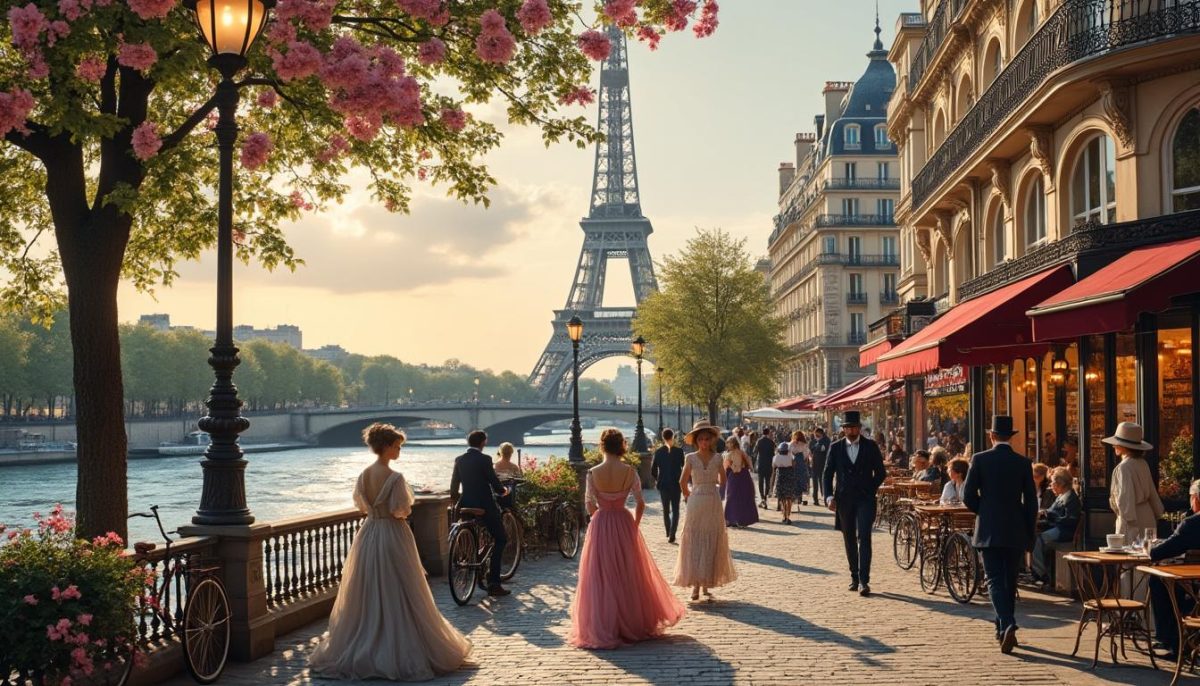
Paris, a city with a history that stretches over two millennia, boasts a rich tapestry of stories, events, and cultural shifts. With its winding streets and soaring architecture, the city serves as a living gallery of its past. Visitors can immerse themselves in the narratives of the French Revolution, medieval life, and the intellectual ferment of the Belle Époque, all through the lens of its diverse history museums. Each museum presents a distinct facet of Paris’s heritage, revealing not just artifacts but the very essence of what makes this city unique. Whether you’re a history buff, an art lover, or a casual tourist, exploring these acclaimed institutions offers a chance to connect with the echoes of a vibrant past.
Unraveling the City’s Past: The Importance of History Museums
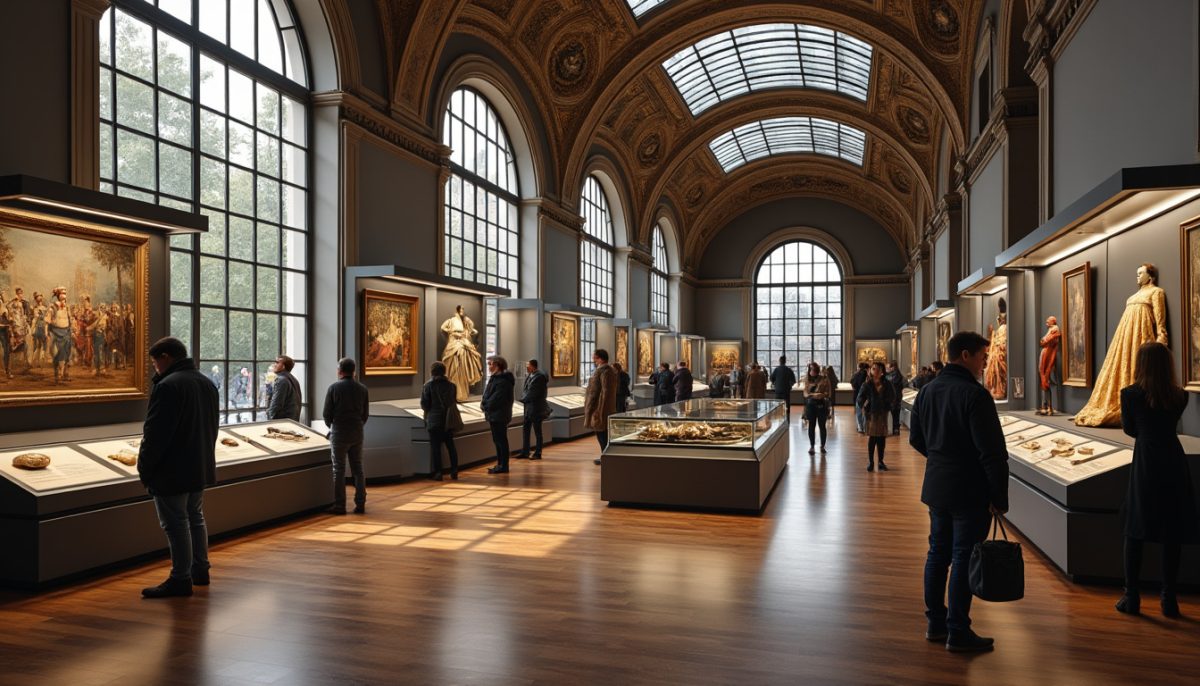
The significance of history museums in Paris cannot be overstated. These institutions act as custodians of the city’s collective memory, offering visitors a front-row seat to the drama that has shaped the urban landscape. Take, for example, the Musée Carnavalet, which presents the city’s history from its founding to contemporary times. This museum, with over 600,000 artifacts, paints a vivid picture of Parisians’ lives across centuries. After undergoing a five-year renovation, it now features inviting spaces that encourage leisurely exploration.
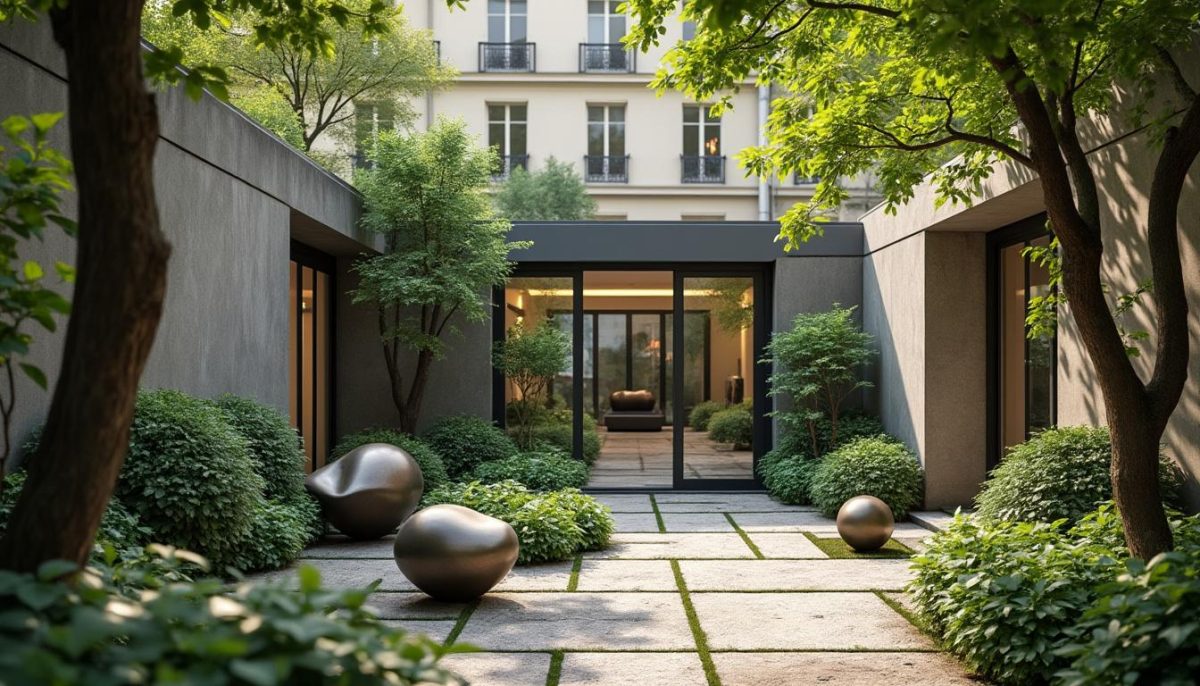
Within its walls, visitors can examine relics from the French Revolution alongside displays of royal opulence, illustrating the stark contrasts between various historical periods. The museum’s tranquil courtyard garden provides a serene setting for reflection, allowing the modern visitor to contemplate the weight of history in a bustling metropolis. Such places are pivotal not only for preserving artifacts but for promoting a deeper understanding of the cultural heritage that defines Paris.
Layered Narratives and Personal Stories
History museums in Paris excel at weaving personal narratives into the broader tapestry of history. The Musée de la Vie Romantique, for instance, is housed in the former residence of painter Ary Scheffer, where illustrious personalities like George Sand and Frédéric Chopin once congregated. The museum’s modest size, enhance by its charming garden, invites visitors to step into the world of early 19th-century Paris—a time characterized by artistic fervor and passionate debates. Encountering the intimate artifacts of these cultural figures makes the past feel immediate, creating connections between their lives and the present-day visitor.
In contrast, the Archaeological Crypt of Notre Dame reveals the city’s ancient history beneath its iconic cathedral. Here, remnants of Roman streets and medieval structures offer a glimpse into Paris’s evolution over centuries. As visitors wander through this subterranean space, history unfolds layer by layer, each exhibit transporting them deeper into the roots of the city’s past.
Sculptures, Fashion, and Innovation: Artistic Reflections of History
Art plays a crucial role in the exploration of history, and Paris’s museums showcase the intersection of artistic expression and cultural progress. The Arts et Métiers Museum stands out as a testament to human ingenuity, presenting a fascinating collection of inventions, from early flight models to groundbreaking scientific instruments. Set within a former church, the museum invites exploration of how creativity has continuously reshaped society.
Family-friendly and engaging, this museum is a perfect destination for those eager to understand how Paris not only embraced innovation but has also led cultural movements. Whether through exhibits on Foucault’s pendulum or the original model of the Statue of Liberty, visitors witness firsthand how Paris has influenced global thought and design.
Fashion and the Belle Époque
The Musée Jacquemart-André provides further layers to the exploration of Paris’s past, showcasing the opulence of the Belle Époque through its exquisite collection. This elegant mansion, once home to art collectors Edouard André and Nélie Jacquemart, allows visitors to step into the extravagant lifestyle of 19th-century Parisian elites. Every room exudes elegance, and the detailed decorations speak volumes about the era’s aesthetic values.
Art lovers will revel in the chance to explore Renaissance masterpieces alongside lavish furnishings. This blend of art and architecture embodies the complex fabric of cultural history, illustrating how the arts have always reflected societal values. Engaging with such collections promotes a richer appreciation for the aesthetic movements that have emerged from Paris, influencing fashion and design worldwide.
Unsung Stories: Museums that Capture Diverse Narratives
While well-known institutions like the Louvre or Musée d’Orsay attract most visitors, there are numerous smaller museums that capture the vibrant scope of Paris’s social tapestry. The Immigration Museum, for instance, stands out for its focus on the journeys and contributions of immigrants throughout French history. Set in an Art Deco building, this museum provides valuable insights into the diverse cultural influences that have shaped Paris.
With exhibits ranging from personal stories to impactful artworks, the museum fosters an environment of understanding and engagement. Visitors will leave with a deeper sense of the city’s rich cultural mosaic and the integral role that different communities play in shaping urban identity. This perspective is not just enriching for tourists; it contributes to ongoing dialogues about citizenship, community, and belonging.
Engaging with Personal and Collective Memory
Other hidden gems, like the Maison de Balzac, offer intimate encounters with Paris’s literary history. Located in the 16th Arrondissement, Balzac’s former residence immerses visitors in the life of one of France’s most celebrated authors. The exhibits, filled with personal belongings and manuscripts, create a narrative that resonates deeply, much like the storytelling of Balzac himself.
Such places highlight the importance of personal memory within the broader chronicle of Paris. From the rooms where Balzac wrote his masterpieces to the tranquil garden offering sweeping views of the Eiffel Tower, visitors can engage with the emotional resonance of history, finding connections to the timeless themes of love, ambition, and loss.
Interactive and Multimedia Experiences in Paris Museums
The use of technology and multimedia in museums has revolutionized the way we engage with history. The Musée de la Musique in the 19th arrondissement takes this a step further by utilizing sound and interactive displays to enhance the visitor experience. With over 1,000 instruments showcasing the rich heritage of music in Paris, the museum allows guests to immerse themselves in the auditory evolution that is central to French cultural life.
This approach to exhibition design encourages visitors to interact with the collections actively, fostering an environment conducive to exploration and discovery. Learning about the history of music alongside its practical demonstrations solidifies understanding and appreciation, making history come alive in new ways.
A Dynamic Future for Paris’s Museums
The future of history museums in Paris is bright as they adapt to engage a new generation of visitors. From incorporating digital storytelling to immersive experiences, these museums are redefining the landscape of cultural education. Plans for future exhibitions promise to highlight even more aspects of Paris’s diverse history, fostering understanding amongst visitors for years to come.
| Museum | Focus | Location |
|---|---|---|
| Musée Carnavalet | History of Paris | Marais |
| Musée de la Vie Romantique | Romantic Era | 9th Arrondissement |
| Arts et Métiers Museum | Technology and Innovation | 3rd Arrondissement |
| Immigration Museum | Cultural Contributions of Immigrants | 12th Arrondissement |
| Musée Jacquemart-André | Art and Belle Époque Life | 8th Arrondissement |
Exploring the various history museums in Paris provides a profound insight into the city’s past, each exhibit enriching our understanding of the cultural heritage that defines this remarkable city. Through artifacts and narratives, visitors are invited to connect with the essence of Paris in ways that spark curiosity and admiration. As the city continues to evolve, its museums remain steadfast guardians of its stories, inviting exploration, education, and appreciation.