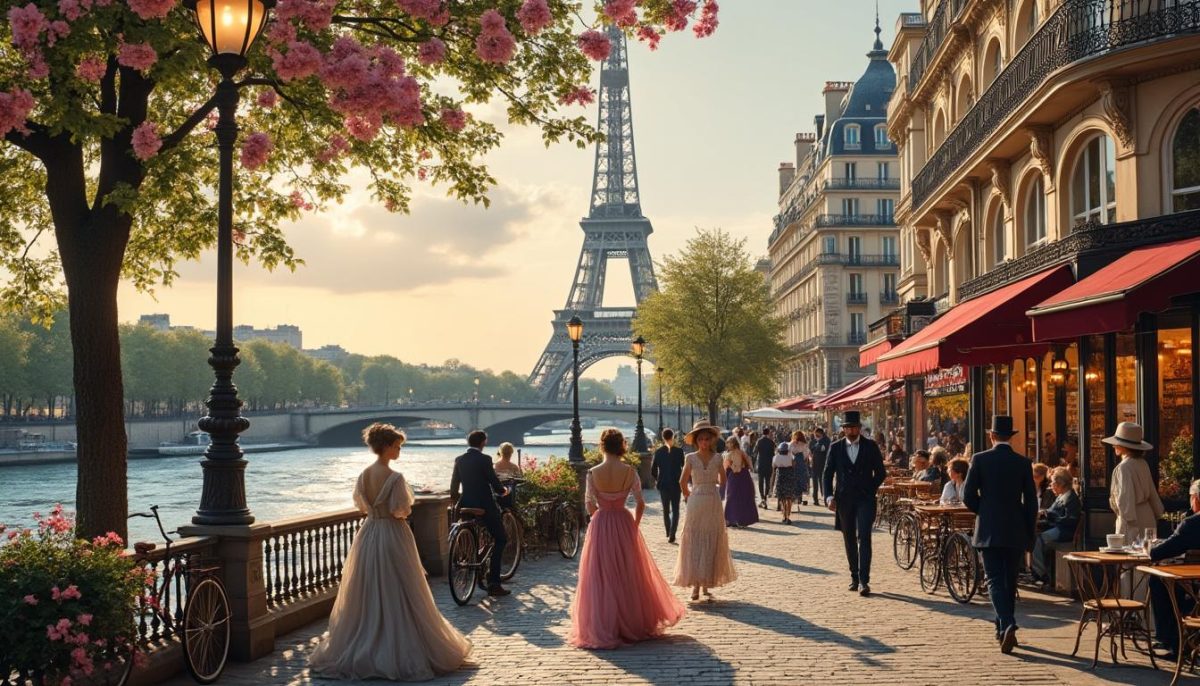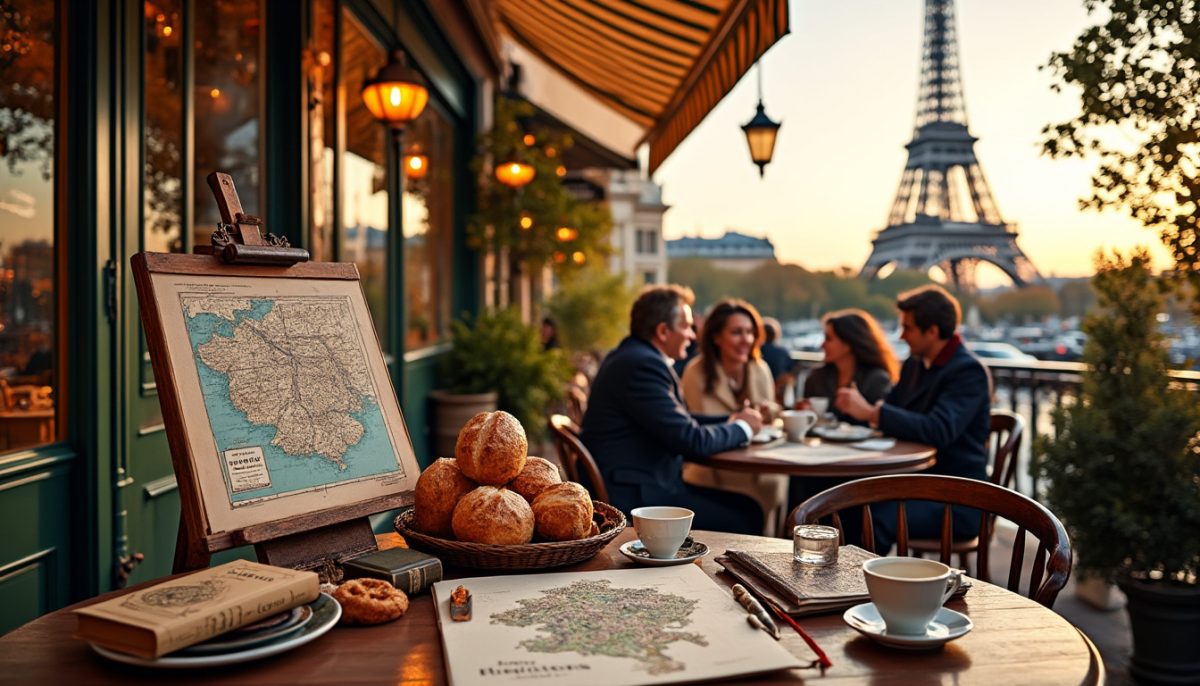
Paris, often referred to as the City of Light, is a treasure trove of history, culture, and art, making it an irresistible destination for travelers seeking unique experiences. Rich in stories that span thousands of years, this city has witnessed the rise and fall of empires, revolutions, and the birth of captivating art movements. From its stunning architecture to the profound influence of its literary figures, Paris is a living museum. Each corner holds a mystery waiting to be unveiled. In this exploration, we delve deep into the hidden gems and unique aspects that define Parisian life, providing inquisitive travelers with an insight into the fascinating history, trivia, and savoir-faire that make visiting Paris an unforgettable experience.
Unraveling the Layers of Paris’s History
Understanding Paris’s past requires more than just a brief overview; it demands an exploration of its rich tapestry woven through centuries. The history of Paris can be traced back over 2,300 years to the Parisii, a Celtic tribe that first settled the banks of the Seine. As the city evolved, it saw the influence of the Romans, particularly during Julius Caesar’s era, when Lutetia, as it was known, began to prosper. Roman ruins can still be found throughout the city, acting as remnants of a once-thriving civilization.
Moving into the medieval period, Paris seamlessly adapted while also experiencing turmoil, especially during the Hundred Years’ War. The Gothic architecture that characterizes much of Paris today emerged during this time, epitomized by the magnificent Notre-Dame Cathedral and Sainte-Chapelle. These structures weren’t simply places of worship; they were also a display of power and artistry, representing the spiritual and civic pride of the Parisian populace.
A Renowned Hub of Enlightenment and Revolution
By the 17th and 18th centuries, Paris evolved into a center of philosophical and scientific thought, with figures like René Descartes and Voltaire challenging social norms and advocating for reason. The salons, where ideas flowed freely, became a breeding ground for the Enlightenment, which laid the foundation for revolutionary fervor. The French Revolution in 1789 not only transformed the political landscape but also redefined the city’s architecture and public spaces. The guillotine, a symbol of this chaotic time, could be seen from places like Place de la Révolution, where countless lives were tragically lost.
This era gave rise to grand boulevards under the direction of Baron Haussmann in the mid-19th century, radically changing the city’s layout. The wide avenues and charming cafés that define Paris today are a direct result of this urban planning initiative. They were designed not only for aesthetic pleasure but also to prevent the barricading that had characterized earlier uprisings.
Each era adds a layer to the Parisian identity, with remnants that continue to tell the tales of its evolution. From the ancient Roman arenas to the rigorous architecture of the Renaissance, Paris stands as a testament to resilience and continual transformation.
The Quintessence of Parisian Culture and Lifestyle
Culture in Paris isn’t merely an accessory; it is the lifeblood that invigorates the city’s heart. To experience Paris is to immerse oneself in the art, culinary delights, and vibrant community life that pulsate through the city. Museums such as the Louvre and Musée d’Orsay serve as the guardians of artistic heritage, housing masterpieces from some of history’s greatest artists, including Leonardo da Vinci and Vincent van Gogh. Meanwhile, local galleries scattered through neighborhoods like Montmartre highlight contemporary expressions that resonate with modern audiences.
The culinary scene in Paris deserves a chapter of its own. From the delicate pastries that emerge from corner patisseries to the rich, intricate meals served in bistros, taste is truly an art form here. The famous French ‘savoir-faire’ is evident in every dish—a blend of tradition and innovation where each bite tells a story. For a unique experience, exploring local markets such as Marché Bastille allows one to engage directly with Parisian culture. Here, the vibrant stalls laden with fresh produce, cheeses, and artisanal goods create a sensory experience that embodies the spirit of the city.
The Intersection of Festivals and Tradition
Festivals in Paris reflect the city’s deep-rooted customs and community spirit. Events like Bastille Day on July 14th transform the streets into a lively tapestry of parades, fireworks, and communal festivities. This annual celebration marks the pivotal moment of the French Revolution, where citizens reclaimed their rights. Beyond grand historical events, smaller neighborhood festivals celebrate the distinct character of Parisian life, from flower markets to seasonal harvests, allowing visitors an authentic glimpse into the city’s soul.
Street art adds another dimension to Parisian culture. Areas such as the Canal Saint-Martin have morphed into vibrant galleries that showcase the creativity of emerging artists. The interaction between art and the urban landscape shows that creativity is alive and thriving, creating a dialogue between the past and contemporary culture.
Architectural Marvels: The Buildings of Paris
The architecture of Paris is a harmonious blend of historical significance and aesthetic beauty. Each structure narrates its history, from the Gothic grandeur of Notre-Dame to the sleek modernity of the Fondation Louis Vuitton. The city’s skyline speaks volumes about its social evolution, encapsulating various styles and cultural influences that have shaped its identity.
Among the most iconic structures is the Eiffel Tower, originally criticized yet now embraced as a symbol of Paris. Designed for the 1889 Exposition Universelle, it exemplified the industrial age’s spirit of innovation. Today, it attracts millions, offering breathtaking views and a unique perspective on Paris’s architectural landscape.
Bridges: The Connectors of Culture
As the Seine River winds through the city, it is spanned by a collection of remarkable bridges that serve not only a practical purpose but act as vital cultural artifacts. Each bridge, whether the storied Pont Neuf or the elegant Pont Alexandre III, showcases unique architectural features and historical anecdotes. These crossings connect different neighborhoods, each with its own charm, character, and community spirit.
Pont Neuf, for instance, is the oldest standing bridge in Paris, constructed in the late 16th century. Its design was revolutionary, eliminating the clutter of buildings that had previously transformed bridges into thoroughfares. A stroll across brings visitors face-to-face with not only the beautiful architecture but also its historical significance in facilitating Paris’s vibrant lifestyle.
| Architectural Style | Examples | Significance |
|---|---|---|
| Gothic | Notre-Dame Cathedral, Sainte-Chapelle | Symbol of medieval Paris, remarkable stained glass |
| Haussmannian | Wider Boulevards, Grand Avenues | Revolutionized urban planning in the 19th century |
| Modern | Fondation Louis Vuitton, La Défense | Represents contemporary Paris’s innovation |
Hidden Trivia: Facts that Will Surprise You
Beneath the surface of mainstream attractions lie charming nuggets of trivia that enliven further your explorations in Paris. For instance, did you know that Paris once had over 30 islands? While most have disappeared through urbanization, Île de la Cité and Île Saint-Louis remain as reminders of the city’s geographical evolution. These islands not only provide a glimpse into the city’s past but also serve as serene havens amidst the bustling urban landscape.
Historical quirks can also pique the interest of inquisitive travelers. For example, the city was once home to a secret underground city constructed during the French Revolution, intended for protection and escape. The Catacombs of Paris, now a working tourist attraction, unveil the city’s history and haunting past, drawing visitors to the depths of its intriguing underbelly.
Legends and Urban Myths
Furthermore, the stories woven into the fabric of Paris often blur the lines between reality and myth. Take the case of ‘Les Deux Magots,’ a café claimed to be frequented by famous literary figures such as Hemingway and Sartre. Sit here, and you’re steeped in the legacy of those who sipped coffee and crafted legendary narratives—symbols of Paris’s intellectual soul.
Even the monuments carry whispers of mystery; the letter “N” can be spotted in various locations throughout the city, representing Napoleon, a lasting reminder of his influence on Parisian architecture and design. Whether curious about an artist’s legacy or the whispers of revolutionary tales, the trivia surrounding Paris keeps its allure alive for every traveler.
Exploring Paris: Practical Tips for Visitors
As you prepare for your adventure in Paris, it’s essential to have some practical knowledge at your fingertips. Navigating the Paris Metro, famed for its efficiency, can make transit a breeze for both locals and visitors. Understanding the Metro system enhances your experience while providing insight into the city’s layout, which intertwines modernity with tradition.
For those inclined towards leisure, consider booking a cruise along the Seine. Witnessing the city from the water offers a unique perspective, illuminating Paris’s famous landmarks while you relax in the comfort of a boat. Various companies provide services that cater to different preferences, be it a dinner cruise or a romantic sunset journey.
Your Culinary Adventure Awaits
No trip to Paris would be complete without indulging in its culinary offerings. From the renowned patisseries to monumental dining establishments like the unrivaled Palais Garnier, the city’s sphere of food is as diverse as its history. Take the time to savor the local flavors, learn about the artists behind the dishes, and immerse yourself into Parisian life through its cuisine.
Ultimately, it’s the fusion of history, culture, art, and the unique sense of savoir-faire that makes Paris an unparalleled destination, presenting a blend of the timeless and the modern. Each traveler who embarks on this journey will walk away richer in experience and appreciation for this vibrant city.