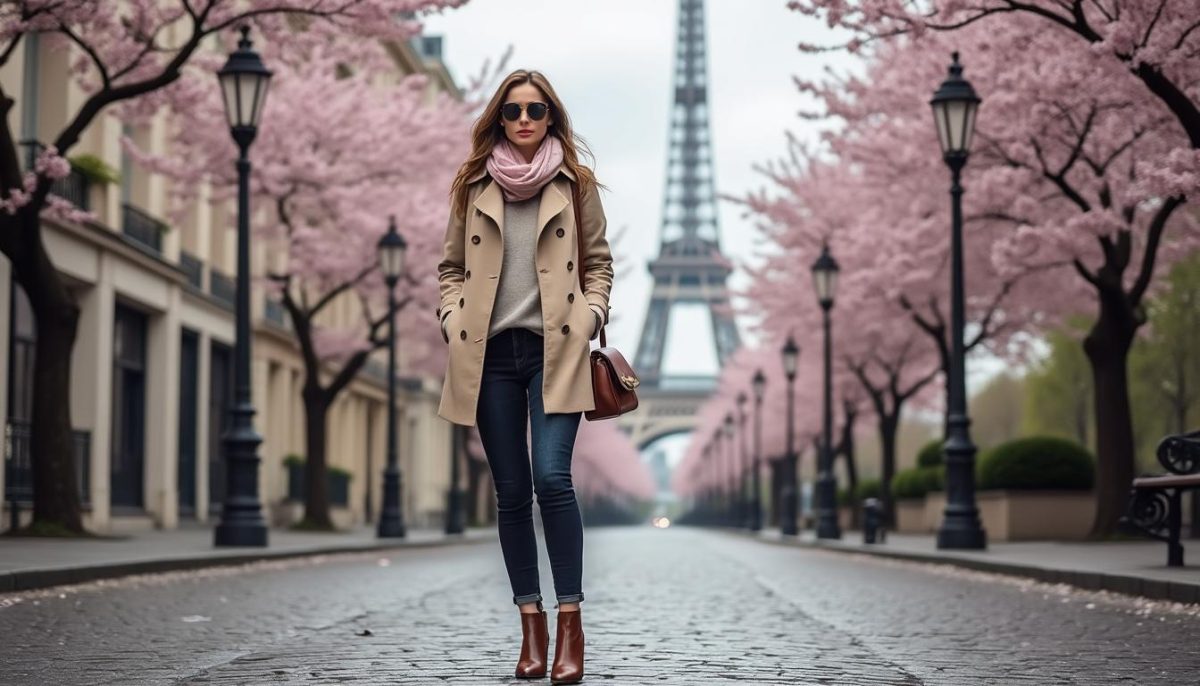
In the heart of Paris, a remarkable transformation is taking place. The city, known for its artistic heritage and romance, is expanding its boundaries of urban greenery. As the pressures of urbanization continue to mount, the city has initiated an ambitious plan to enhance its green space accessibility. This endeavor addresses the growing need for environmental sustainability and urban livability. Throughout its twenty arrondissements, Paris has introduced eleven new parks, offering residents and visitors alike a refreshing escape from the hustle and bustle of city life. These urban oases are more than just green patches; they symbolize Paris’s commitment to fostering a balance between nature and urban living.
The quest for greenery has become an essential part of urban planning in contemporary cities worldwide, and Paris is no exception. By providing parks, the city is promoting sustainability, encouraging outdoor activities, and improving the quality of life for its inhabitants. The integration of new parks is not merely cosmetic; it involves thoughtful landscaping, ecosystem restoration, and community engagement. Each new green space serves as a vital connection point within the urban landscape, inviting people to engage, relax, and enjoy the natural surroundings.
The Significance of Green Spaces in Urban Environments
Green spaces play a crucial role in enhancing the quality of urban life. They combat the urban heat island effect, improve air quality, and provide habitat for various species. By incorporating green areas like parks, gardens, and natural reserves, cities can mitigate some of the detrimental impacts of urban living. These spaces also foster wellness, provide recreational opportunities, and enhance property values, making the city more attractive.
Urban parks, like those recently unveiled in Paris, are integral to creating a vibrant community. They offer opportunities for social interactions and events, strengthening neighborhood bonds. For example, community gardening initiatives found in many of these parks allow residents to come together, cultivate plants, and foster a deeper connection with nature. Public parks in Paris will serve as venues for outdoor concerts, movie nights, and seasonal markets, enriching the social fabric and ensuring that green spaces are utilized to their fullest potential.
The New Parks: A Closer Look
The eleven new parks that sprang up across Paris are not only crucial for environmental sustainability but are also marvels of design and community engagement. For instance, the Jardin Teilhard-de-Chardin, located in the 4th Arrondissement, is an idyllic spot that serves both as a tranquil escape and a testament to urban planning. This garden is easily accessible from the bustling boulevards and gives way to lawns where visitors can unwind amidst shaded trees.
Another notable project is the Jardin Marielle-Franco in the 10th Arrondissement. Perched atop the railway tracks of Gare de l’Est, this park offers a unique perspective, utilizing previously unused urban space. With its fruit trees, playground, and shared gardens, it serves as a model for how urban landscapes can be creatively repurposed.
These parks reflect thoughtful landscaping that prioritizes sustainability. They incorporate native plants, reduce water consumption, and support local biodiversity. As part of a broader commitment to addressing climate change, Paris aims to plant thousands of trees across the city, bolstering its “green lungs” and offering residents a refreshing alternative to concrete.
The Role of Community Engagement in Park Development
Community engagement is essential in the successful development and sustainability of these newly introduced parks. Local residents are often consulted throughout the planning and design phases. This approach ensures that the parks reflect the desires and needs of the neighbors, fostering a sense of ownership and responsibility among those who use the spaces.
Workshops and informational sessions involving community members facilitate discussions on design elements, recreational opportunities, and even the types of plants to be included. This shared decision-making processes not only enhances the final output but also educates residents on the importance of biodiversity and sustainability.
For instance, at the Jardin Tereska-Torrès-Levin in the 8th Arrondissement, local schoolchildren actively participated in creating small ecosystems, complete with birdhouses and insect hotels. These initiatives not only beautify the parks but also teach environmental stewardship, ensuring that the next generation understands and values green spaces.
Sustainability Initiatives in Urban Parks
As urban centers expand, the need for sustainable practices in park development becomes increasingly important. The Paris city council has proactively adopted numerous sustainability initiatives to ensure that new parks contribute positively to the environment. Incorporating green roofs, utilizing permeable materials for walkways, and creating rainwater gardens are just a few of the strategies employed.
The city’s commitment to sustainability is evident in the design of the Forêt Linéaire Nord, which transforms an industrial area into a linear forest filled with new trees. This project not only enhances local biodiversity but also addresses urban heat concerns, providing a cooler microclimate that benefits both people and wildlife.
Furthermore, the integration of modern technology allows for efficient maintenance and monitoring of these parks. Smart irrigation systems conserve water while ensuring that the flora remains vibrant. Environmental sensors assist in making data-driven decisions that enhance the park’s ecosystem, ensuring its resilience against climate change.
| Park Name | Location | Key Features |
|---|---|---|
| Jardin Teilhard-de-Chardin | 4th Arrondissement | Accessible lawns, grove of trees |
| Jardin Tereska-Torrès-Levin | 8th Arrondissement | Children’s play area, insect hotels |
| Jardin Marielle-Franco | 10th Arrondissement | Fruit trees, playground, shared gardens |
| Jardin Martha-Desrumaux | 12th Arrondissement | Thematic gardens, leisure activities |
| Place de la Nation | 11th/12th Arrondissements | Playgrounds, misting stations |
The Future of Urban Green Spaces in Paris
The continued growth of green spaces in Paris holds great promise for the future. The city envisions a sustainable urban landscape that not only enhances biodiversity but also encourages a healthy lifestyle among its residents. As more parks and gardens become available, opportunities for outdoor activities such as walking, jogging, and communal events increase. This focus on outdoor engagement serves to strengthen community bonds while promoting well-being.
Moreover, Paris’s focus on parks aligns with broader global trends in urban design. Cities worldwide increasingly recognize the importance of urban green spaces in tackling climate change and enhancing urban living. By integrating parks into its urban fabric, Paris is establishing itself as a leader in urban sustainability and design.
As the city embarks on this journey towards greener living, residents can look forward to an enriched quality of life. The correlation between green spaces and enhanced mental health is well-documented, suggesting that these new parks will not only beautify the city but also improve its overall happiness and livability.