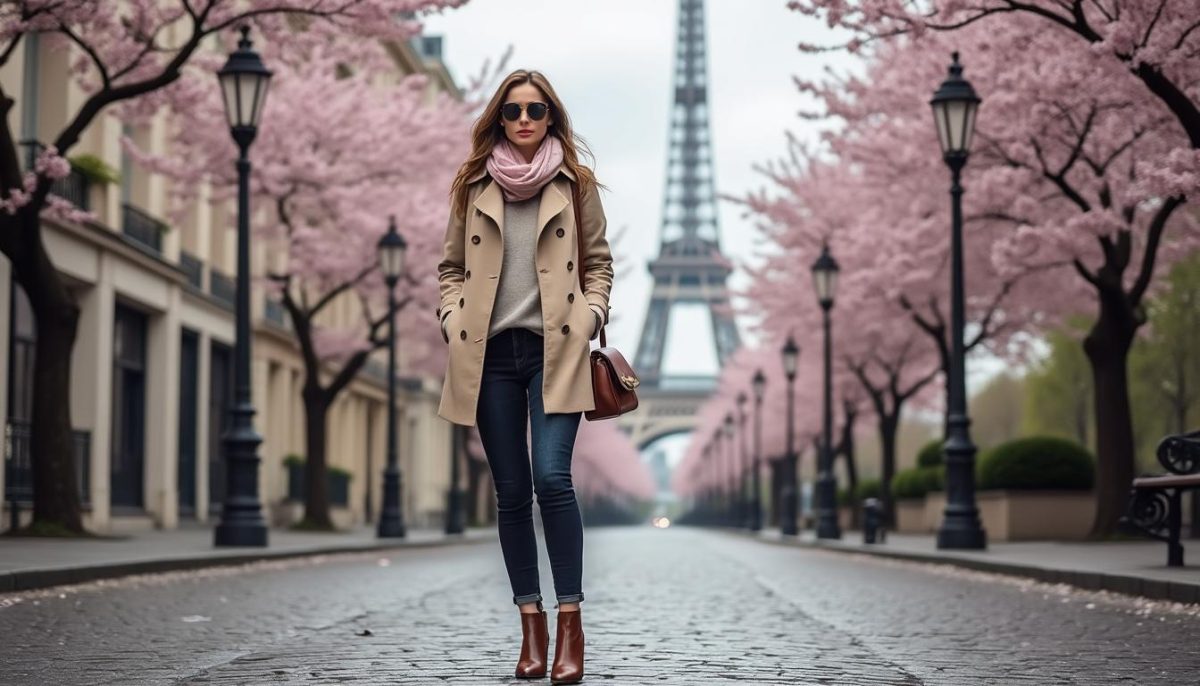
Set against the iconic backdrop of Paris, “Julie and Julia” effortlessly weaves together two distinct narratives centered around culinary exploration and personal ambition. Filmed in 2009, this timeless film showcases the enchanting relationship between Julia Child, portrayed by Meryl Streep, and Julie Powell, played by Amy Adams. Based on Child’s memoir, “My Life in France,” and Powell’s blog-inspired book, “Julie & Julia: My Year of Cooking Dangerously,” the film encapsulates the heart of French cuisine, the allure of Paris, and the transformative journey of self-discovery through cooking. The juxtaposition of Julia’s experiences in post-war Paris with Julie’s modern-day aspirations creates a rich tapestry that resonates deeply with anyone who has ever felt lost yet found purpose through their passions. In this article, we will delve into the film’s Parisian settings, explore its cultural impact on both food and cinema, and understand how it continues to inspire even in 2026.
Exploring the Iconic Paris Locations in Julie and Julia
The heart of “Julie and Julia” lies not just in its characters but also in the stunning locations scattered throughout Paris. Filmmakers took great care to select sites that enhance the story and evoke the essence of the City of Lights. One of the most celebrated settings is Rue Mouffetard in the Latin Quarter, a bustling street known for its vibrant market atmosphere. For this iconic film scene, preparations took several days, illustrating the meticulous planning that goes into crafting cinematic moments. This street, rich in history, showcases an open-air market that has thrived for centuries, making it an ideal backdrop for Julia’s culinary adventures.
Another key location is the enchanting Île Saint-Louis and Île de la Cité, where pivotal scenes depicting Julia’s culinary class shopping take place. These locations are not just picturesque; they transport viewers into Julia’s world, allowing them to experience the excitement and challenges she faced as a budding chef. Historical landmarks, including Notre-Dame Cathedral, can also be spotted, enriching the film’s cultural tapestry.
The Importance of Rue Mouffetard
Rue Mouffetard serves as a microcosm of Parisian life, steeped in traditions of commerce and community. As Julia strolls down this cobbled street, her experience reflects the wider narrative of food and culture in post-war Paris. The market itself is a celebration of local produce and artisanal goods, embodying the essence of French culinary heritage. This scene is particularly resonant because it prompts viewers to appreciate not just the act of cooking, but the source of ingredients and how they foster connections within the community.
This historical street has been an integral part of Paris since the Roman era, making it one of the oldest streets in the city. Its vibrant atmosphere and diverse offerings create an inviting backdrop for both aspiring chefs and seasoned diners. The film captures this spirit beautifully, encouraging viewers to explore culinary adventures of their own when visiting Paris.
Film Crew and Creative Vision Behind Julie and Julia
Director Nora Ephron played a pivotal role in merging the two narratives within “Julie and Julia.” The decision to intertwine the lives of Julia Child and Julie Powell reveals the universal struggles associated with pursuing passion and purpose. Ephron’s vision allowed for a seamless connection between the two timelines, enriching the audience’s engagement with both stories.
Meryl Streep’s performance as Julia Child earned widespread acclaim, earning her a Golden Globe and an Academy Award nomination. Streep, through her portrayal, encapsulates Child’s vitality, humor, and passion for cooking, making the character relatable and inspiring. Stanley Tucci’s portrayal of Paul Child complements Streep’s performance, adding depth to Julia’s journey as he supports her culinary explorations. Their onscreen chemistry resonates strongly, highlighting the foundational role of supportive relationships in achieving one’s dreams.
Culinary Passions Realized On-Screen
Not only does the film engage with themes of culinary exploration, but it also serves as an ode to French cuisine. Each dish prepared, from the classic Coq au Vin to the mouthwatering Boeuf Bourguignon, celebrates the art of French cooking, introducing viewers to a world of rich flavors and techniques. The film emphasizes the importance of food as a medium for expression and connection, embodying the philosophy that cooking can be both a personal journey and a shared experience.
For those who wish to delve deeper into the cinematic culinary journey, restaurants such as Le Grand Véfour and Au Pied de Cochon—which appeared in the film—are must-visit spots that reflect the grandeur of French dining.
Impact on Culinary Culture and Tourism in Paris
The influence of “Julie and Julia” extends beyond the screen; it significantly impacted culinary tourism in Paris and sparked a renewed interest in French gastronomy. The film inspired countless viewers to embark on their culinary adventures, encouraging a resurgence of interest in cooking classes, guided food tours, and immersive dining experiences.
Guided tours, such as those exploring the paths of Julia and Julie, allow tourists to walk in the footsteps of these culinary pioneers. These experiences not only bring the film to life but also educate participants about the rich history and cultural context of French cuisine. Culinary enthusiasts often seek to recreate the dishes featured in the film, even hosting themed dinner parties celebrating Julia’s recipes.
The allure of the Parisian dining scene is palpable, especially with the film’s authentic portrayal of local markets and eateries. This has led to an increased demand for Parisian food experiences, such as wine tastings, baking classes, and traditional cooking workshops that cater to both locals and tourists alike.
The Evolution of Culinary Experiences in Paris
In recent years, there has been a noticeable shift towards more experiential dining, where the focus is on not just the food, but the overall experience. This evolution aligns perfectly with the themes presented in “Julie and Julia,” as it champions the idea of connecting with food on a deeper level. Visitors in 2026 are keen to blend their cultural explorations with culinary endeavors, understanding that every meal consumed holds the essence of the local community.
This trend showcases a dynamic interplay between food and culture, appealing to food lovers globally. Culinary tourism in Paris has transformed into a cultural phenomenon, where the act of eating transcends mere sustenance; it becomes an exploration of identity, creativity, and tradition.
Conclusion: A Legacy of Culinary Inspiration
As we find ourselves in 2026, the cultural legacy of “Julie and Julia” continues to inspire joy, creativity, and exploration in both the culinary and cinematic worlds. The film serves as a reminder of the passion and resilience found in pursuing one’s dreams, especially within the enchanting sphere of gastronomy. With Paris at its heart, the intertwining tales of two remarkable women resonate beyond the screen, inviting viewers to embark on their own culinary journeys while cherishing the rich traditions of French cuisine.
| Location | Significance | Film Scene |
|---|---|---|
| Rue Mouffetard | Iconic outdoor market street | Julia’s market shopping scene |
| Île Saint-Louis | Historic island in the Seine | Julia’s cooking class shopping |
| Le Grand Véfour | Famous gourmet restaurant | Dinner scenes with Julia and Paul |
| Au Pied de Cochon | Traditional brasserie | Celebration dinner scenes |