Recent studies have reshaped the way we perceive travel destinations, particularly when it comes to their impact on health and wellness. Among the bustling streets, rich history, and exquisite art, Paris has emerged as a surprise contender in this arena, recently crowned the world’s healthiest city. This accolade is not just a fleeting recognition; it reflects an evolving trend in urban living, where well-being is a priority in shaping city experiences. For travelers seeking both adventure and health, Paris now presents an unparalleled opportunity to engage in a healthy lifestyle while exploring iconic landmarks, enjoying culinary delights, and soaking up the beauty of its sprawling green spaces.
The factors contributing to this ranking are numerous and varied. The city’s countless parks, thriving wellness scenes, and emphasis on health-conscious dining options are just a few elements that make it stand out. In a world where urban health is increasingly becoming a focus, cities around the globe are scrambling to implement strategies that promote healthy living. However, Paris has formed a unique identity that marries tradition with modern wellness trends, setting it apart from other cities on this list such as Barcelona and Chiang Mai. With these developments in mind, let’s delve deeper into the various dimensions that contribute to its standing as a premier destination for wellness travel.
Understanding the Criteria for Healthiest City Rankings
The criteria for determining the healthiest cities are comprehensive and reflect a wide range of factors. An organization like TravelSupermarket meticulously analyzes various health-related metrics to arrive at its rankings. Some of the significant criteria include the availability of green spaces, parks, and fitness facilities; the options for health food stores and restaurants; and even the average cost of accommodation. In Paris, these metrics come together harmoniously to create an environment conducive to a vibrant, healthy lifestyle.
Exploring Parks and Green Spaces in Paris
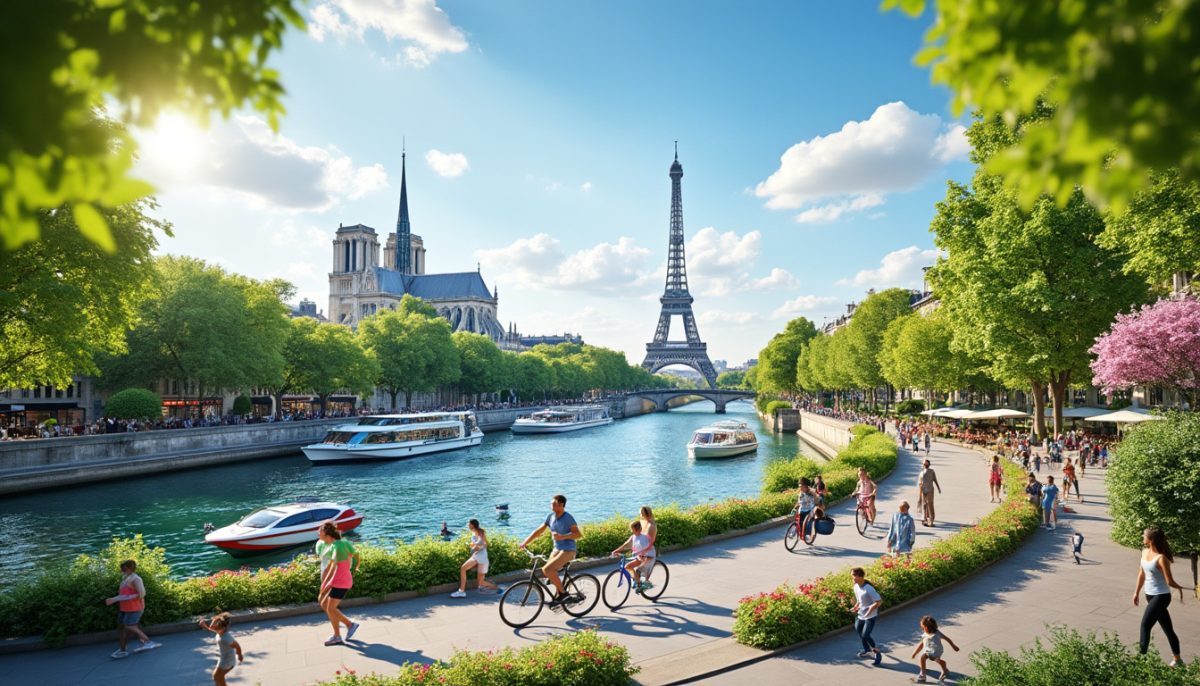
As one of the city’s defining features, parks and green spaces play a significant role in shaping a healthy urban environment. Paris is home to over 400 parks, including favorites like the expansive Bois de Vincennes and the iconic Luxembourg Gardens. These spaces not only provide a respite from the urban hustle but also offer a venue for physical activities ranging from jogging and yoga to picnicking and leisurely strolls. The substantial size of these parks allows for a diversity of activities, enhancing the city’s reputation as a health-conscious destination.
The availability of parks promotes social interaction, encourages outdoor activities, and contributes to improved mental health. Studies have shown that spending time in nature can lower stress, boost mood, and enhance overall well-being. Furthermore, the Parisian government has invested heavily in these spaces, ensuring that they are well-maintained and available to both residents and tourists alike. As urban health continues to be a focus globally, cities that prioritize green spaces like Paris serve as exemplars for others to follow.
The Wellness Scene: Gyms, Fitness Centers, and Alternative Health Options
In addition to its natural landscapes, Paris boasts an impressive number of gyms, fitness centers, and alternative health venues such as spas and yoga studios. With numerous options available, residents and visitors can seamlessly incorporate physical fitness into their daily routines. Whether it’s a high-energy spin class or a tranquil yoga session, the diversity of options caters to all preferences and fitness levels.
Moreover, workshops and classes are regularly hosted in the city’s many studios, promoting community engagement and social interaction. This thriving wellness scene significantly enhances Paris’s reputation as a top destination for health-conscious travelers. The health culture in the city is so deeply embedded that various institutions offer health-focused programs, including nutrition workshops that tie in local food sources with health education.
The Culinary Landscape: Nutrition and Healthy Eating
When it comes to food, Paris has long been celebrated for its culinary prowess. However, the city’s food scene is evolving, with a distinct focus on health and nutrition. An increasing number of restaurants are incorporating vegan options, organic ingredients, and locally sourced produce into their menus. This shift in the culinary landscape allows visitors to indulge without compromising their health-conscious lifestyles.
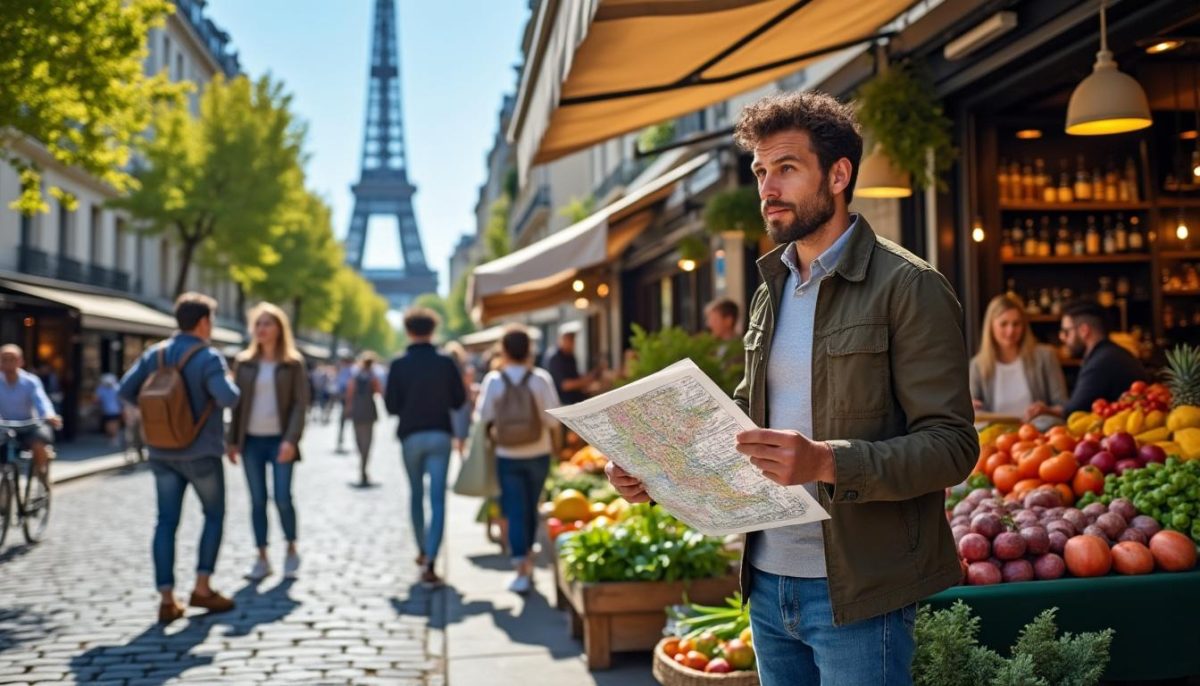
From charming cafés serving organic pastries to upscale eateries focusing on farm-to-table philosophy, the array of choices is ever-expanding. The city’s iconic markets, such as Marché Bastille and Marché Raspail, are treasure troves of fresh produce that encourage a healthy diet. Visitors can immerse themselves in the local food culture while discovering ways to maintain a balanced diet during their travels.
Healthy Food Tours: A Taste of Wellness
One unique aspect of exploring the culinary scene in Paris is the growing popularity of healthy food tours. These guided experiences take visitors through the best of the city’s healthy dining establishments, farmer’s markets, and organic shops. Tourists can learn firsthand about the nutritional value of different ingredients and how to prepare them, enhancing not only their culinary skills but also their understanding of healthy eating.
Such tours not only enrich the travel experience but also empower participants to return home with newfound knowledge and habits. By tasting and discovering healthful options in one of the world’s culinary capitals, travelers can embrace the philosophy of healthy living more fully. This connection between food, culture, and wellness exemplifies the essence of what makes Paris a unique travel destination.
Air Quality and Urban Health Initiatives
In addition to physical health factors, Paris is also making strides in enhancing air quality and overall urban health. With increasing awareness about the impact of pollution on public health, city officials have been implementing measures to ensure cleaner air. From encouraging the use of public transportation to increasing bike lanes, the city has made significant progress in fostering a healthier environment.
Clean Air Initiatives and Their Impact
Since the launch of several initiatives aimed at reducing air pollution, residents and tourists alike are now enjoying cleaner air. Actions such as limiting vehicular access to specific areas, promoting cycling, and expanding green spaces have collectively contributed to this improvement. For example, the implementation of the Paris Breathable program exemplifies the city’s commitment to enhancing air quality.
These urban health initiatives serve not only to improve the air that residents breathe but also to inspire other cities globally to implement similar measures. Urban planners and public health experts can draw lessons from Paris’s successes, becoming advocates for more sustainable cities worldwide.
Community Engagement and Health Education
Community involvement is integral to the health of any city, and Paris exemplifies this through its numerous outreach programs and health initiatives. Local organizations collaborate with the government to promote health and wellness through educational workshops, fitness programs, and nutritional counseling.
Empowering Residents Through Education
Through partnerships between public health organizations and community groups, Paris is fostering a culture of health education. Initiatives designed to engage residents focus on various aspects of well-being—including mental health, nutrition, and physical activity. By empowering individuals with knowledge, cities like Paris are able to improve overall health outcomes while encouraging sustainable living practices.
Moreover, such efforts often translate into proactive engagement with new residents, expats, and tourists alike. Events that highlight healthy living—such as community runs, workshops on local cuisine, and free fitness classes—serve to connect individuals and foster a sense of belonging, enabling a collective movement towards well-being.
| Criteria for Healthiest Cities | Score Weight | Paris Data |
|---|---|---|
| Parks and Green Spaces | 25% | 400+ parks |
| Gyms and Fitness Centers | 20% | 700+ fitness installations |
| Health Food Shops and Restaurants | 20% | 500+ with vegan options |
| Average Sunlight Hours | 15% | 2,073 hours/year |
| Clean Air Initiatives | 10% | Paris Breathable Program |
| Community Engagement | 10% | Numerous workshops |