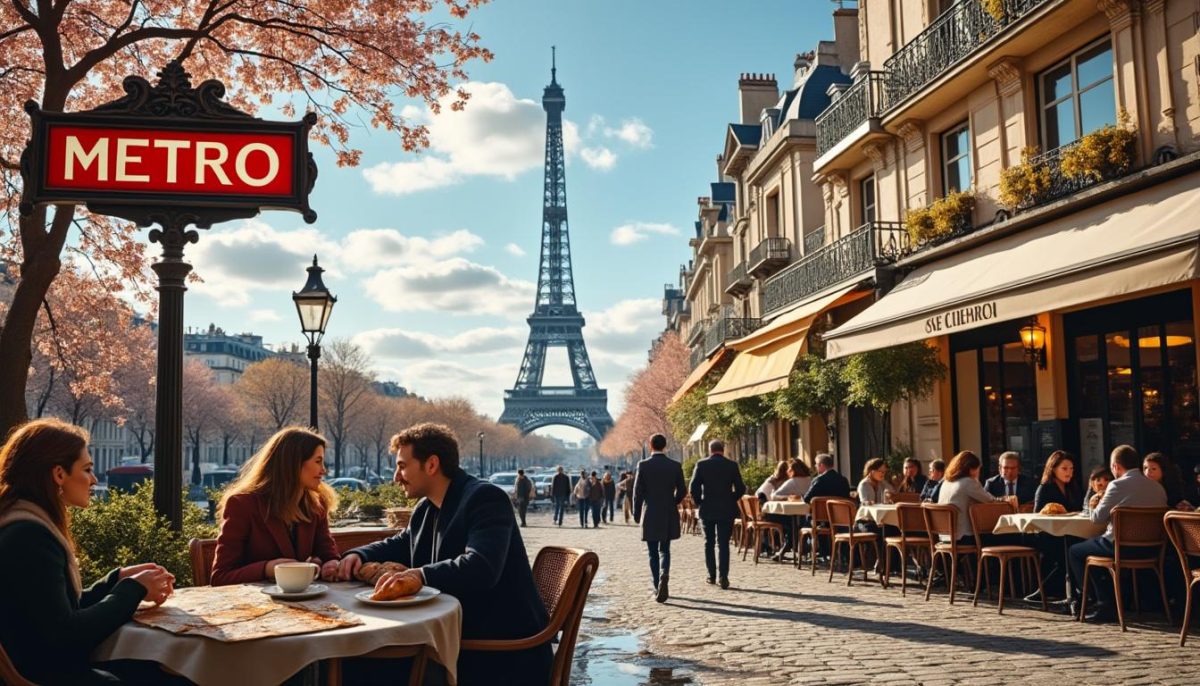
Exploring the vibrant city of Paris offers travelers a unique blend of history, culture, and modernity. With its iconic landmarks, charming neighborhoods, and exquisite cuisine, Paris stands as a testament to what a city can offer. Beyond the well-known attractions such as the Eiffel Tower and the Louvre, there are essential details every visitor should know to enhance their experience. From understanding the currency to grasping local customs, this guide will delve into must-know tips that can transform a trip from ordinary to extraordinary. Paris is not just a destination; it is an experience that lingers long after the journey ends.
Understanding the City and Its Geography
Paris, situated in north-central France, is a relatively compact metropolis, stretching over just 40 square miles (105 square kilometers). Despite its modest size, it boasts a population of around two million within the city limits, making it the most densely populated city in Europe. The city’s nearly circular layout is bordered by the Périphérique, a ring road that runs along what were once the old city walls.
The city is divided into two halves by the Seine River. The northern bank, known as the Rive Droite, hosts many of the city’s renowned shopping districts and cultural sites, while the southern Rive Gauche is recognized for its artistic history and vibrant neighborhoods. Visitors can traverse the city via the numerous bridges connecting these two halves, providing stunning views of landmarks like the Notre Dame Cathedral and the iconic Louvre Museum.
Additionally, Paris is segmented into administrative districts called arrondissements. Originally totaling twenty, recent restructuring has consolidated some into a central district known as Paris Central, resulting in seventeen districts. Each arrondissement boasts its own character and unique quartiers, offering a mix of local favorites and tourist attractions, allowing travelers to feel less like they are in a sprawling city and more like they are wandering through a collection of quaint towns.
This intricate layout ensures that whether one seeks historic charm or modern conveniences, there’s something for everyone. The combination of rich historical significance and contemporary vibrancy makes navigating through Paris an adventure in itself.
Essential Information About Currency and Payments
When visiting Paris, understanding the currency is crucial. Since the introduction of the Euro in the year 2000, this currency has streamlined travel across many European countries. The denominations include bills of 5€, 10€, 20€, 50€, 100€, and 200€, with corresponding coins ranging from 1 cent to 2 euros.
While it is advisable to have cash on hand, particularly for smaller purchases or in areas where card payments may not be accepted, most larger establishments and restaurants will accept credit cards. Upon arrival, securing approximately 100€ is wise for transportation costs, especially if taking a taxi from the airport, as many do not accept card payments.
For travelers, ATMs are easily accessible throughout the city, allowing for convenient withdrawals. However, it is worthwhile to note that small coins accumulate quickly; thus, utilizing them during transactions to avoid carrying excess change is a smart strategy. Banks in one’s home country typically do not exchange coins, making their accumulation less practical.
Handling Currency Effectively
Converting currency is made easier through credit card transactions. They often provide better exchange rates compared to cash exchanges, making them a preferred payment option. While shopping or dining, be mindful of whether the establishment offers options for splitting bills among multiple cards, which can help manage expenses.
It is advisable to remain cautious with personal belongings while navigating busy areas or public transport, as the risk of pickpocketing exists in touristic zones. Utilize bags with secure closures and refrain from displaying large sums of cash openly.
| Euro Denomination | Equivalent in USD (approx.) |
|---|---|
| 5€ | $5.50 |
| 10€ | $11.00 |
| 20€ | $22.00 |
| 50€ | $55.00 |
Local Customs and Etiquette Advice
Every traveler in Paris should navigate the cultural landscape with a respectful approach to local customs. The French take pride in their culture, which profoundly influences social interactions. A simple greeting can go a long way—starting conversations with “Bonjour” (Hello) rather than jumping directly to business shows respect and friendliness.
Dining traditions also reflect the French emphasis on enjoying meals as social experiences. Expect a relaxed pace during meals, and it’s customary for diners to linger over dinner, savoring both the food and company. Mistakenly asking for the bill before finishing your coffee is seen as a rush that can disrupt the dining experience.
Dining Tastings and Experiences
When exploring food options, tourists often flock to famous cafes or bistros, yet many hidden gems lie within neighborhoods. Trying local dishes such as coq au vin or exploring the street markets for fresh produce can unveil a deeper culinary adventure. Additionally, Paris offers numerous food tours that allow visitors to taste various delights while learning about the city’s culinary history.
While dining out, it’s invaluable to understand tipping practices. Unlike in some countries where automatic gratuity is added, in Paris, a service charge is usually included in the bill. However, rounding up or leaving small change shows appreciation for exceptional service.
Transportation Info Around the City
Getting around Paris is an adventure unto itself, with various transportation options at one’s disposal. The city boasts an extensive public transport network comprising buses, trams, and the iconic Metro. The rapid transit system is efficient and connects even the most isolated corners of the city, providing easy access to different attractions.
For newcomers, purchasing a Paris Visite pass can offer unlimited travel on public transport for extended durations, simplifying the experience. Subway maps are available at stations, and announcements are made in multiple languages, ensuring navigational ease.
Exploring Beyond the City Center
While Paris is rich with attractions, day trips to nearby captivating locations shouldn’t be ignored. The palatial grounds of Versailles, the medieval streets of Provins, and the vineyards of Champagne are all accessible within a short train ride. Each of these destinations promises a deeper understanding of French history and culture.
Additionally, bike rentals are increasingly popular for those wishing to experience the city at a slower pace. Cycling along the Seine or through the charming streets of Montmartre allows a unique perspective of Paris that is often missed while riding the Metro.
| Transportation Option | Details |
|---|---|
| Metro | Fast, efficient, and covers most of the city. |
| Buses | Great for direct routes and sightseeing. |
| Taxis | Convenient for late-night travel or when in a rush. |
| Bicycles | Ideal for exploring at leisure, with many rental stations. |
Food and Dining: Where to Indulge
Paris is synonymous with culinary delight. From Michelin-starred restaurants to local bistros and street food vendors, the city offers a tantalizing range of dining experiences. Engaging with the local food scene is key to embracing the City of Lights fully. The delight of savoring pastries from a patisserie or enjoying wine paired with perfectly prepared dishes encapsulates the essence of Paris.
Each arrondissement boasts unique eateries showcasing regional specialties. Travelers should aim to explore areas like Le Marais for trendy dining or Saint-Germain-des-Prés for classic French cuisine. The joy of discovering a cozy bistro while wandering through the streets adds to the charm of the city.
Special Dining Experiences
For those looking to elevate their culinary adventures, consider participating in a cooking class or wine tasting tour. Making traditional French dishes under the guidance of a skilled chef provides an authentic insight into local gastronomy. Alternatively, a Seine dinner cruise combines exquisite dining with stunning views of illuminated landmarks, offering a memorable night out.
Lastly, trying local street food can be an adventure in itself. Vendors selling crêpes, falafel, or fresh baguettes provide quick and delicious options perfect for a fast-paced day of sightseeing. The essence of Parisian street life often bursts forth in these culinary encounters, enriching the travel experience.