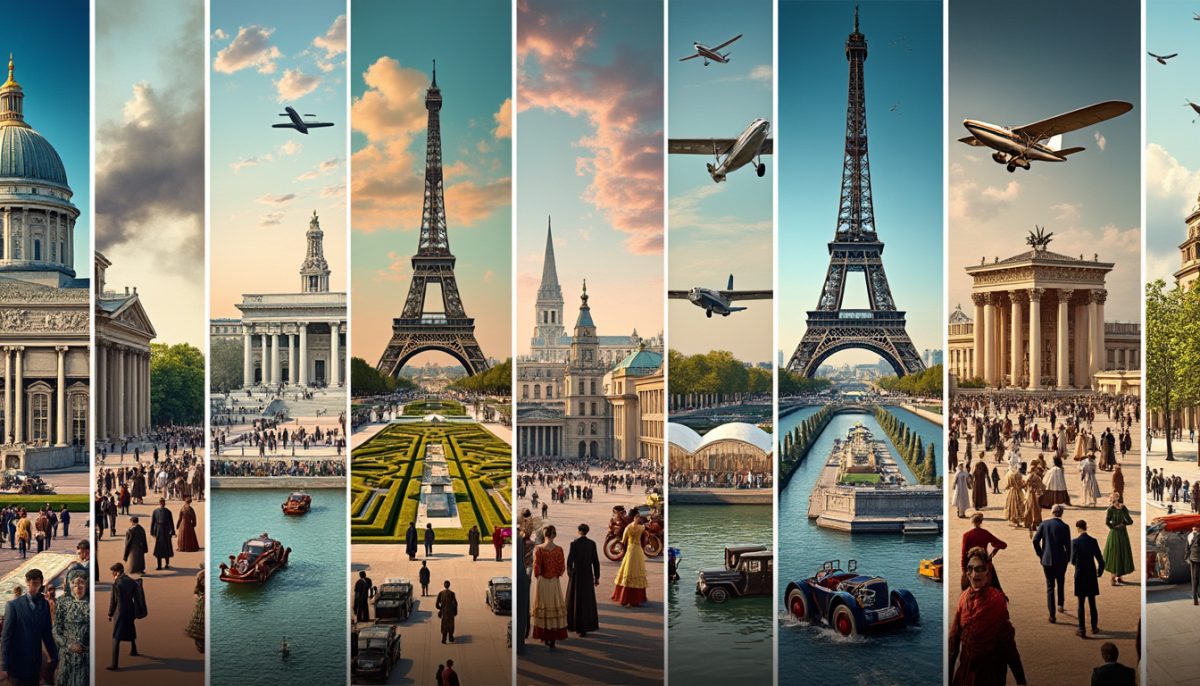
The Paris Universal Expositions, spanning from 1855 to 1937, stand as monumental testaments to human creativity, innovation, and cultural exchange. These events showcased not only the technological advances of the time but also the artistic expressions and industrial designs that emerged from various regions around the globe. Each World Fair provided a unique lens through which to view the evolving dynamics of society, commerce, and the arts. Hosting such grand gatherings, Paris became a focal point for global engagement, drawing visitors and exhibitors alike to participate in the celebration of progress and creativity. From the grand structures that defined the city’s skyline to the intricate art exhibits that captured the imagination, these expositions were more than mere exhibitions; they were reflections of the aspirations and ideologies prevailing in each era.
The Birth of the Paris Universal Expositions: A Historical Context
The journey begins in 1855, during the reign of Napoleon III, who was inspired by the success of the Great Exhibition in London. This first exposition, officially titled the Exposition Universelle des Produits de l’Agriculture, de l’Industrie et des Beaux-Arts, set the stage for how cultural and industrial achievements would be showcased in later exhibitions. It provided a platform for international competition, allowing nations to present their best products and innovations to a captivated audience. The event was not just about products but also about prestige and national pride.
Subsequent exhibitions built upon this foundation, embodying the spirit of the era. For instance, the 1867 Exposition Universelle introduced remarkable technological innovations such as electric lighting and introduced the world to the musical fountain displays that would become a staple in future fairs. This exposition, held in the expansive grounds of the Champs de Mars and Trocadero, revealed Paris’s ability to merge innovation with art. It perfectly illustrated how fairs could serve as a platform for the latest advancements while simultaneously celebrating the aesthetics of industrial design.
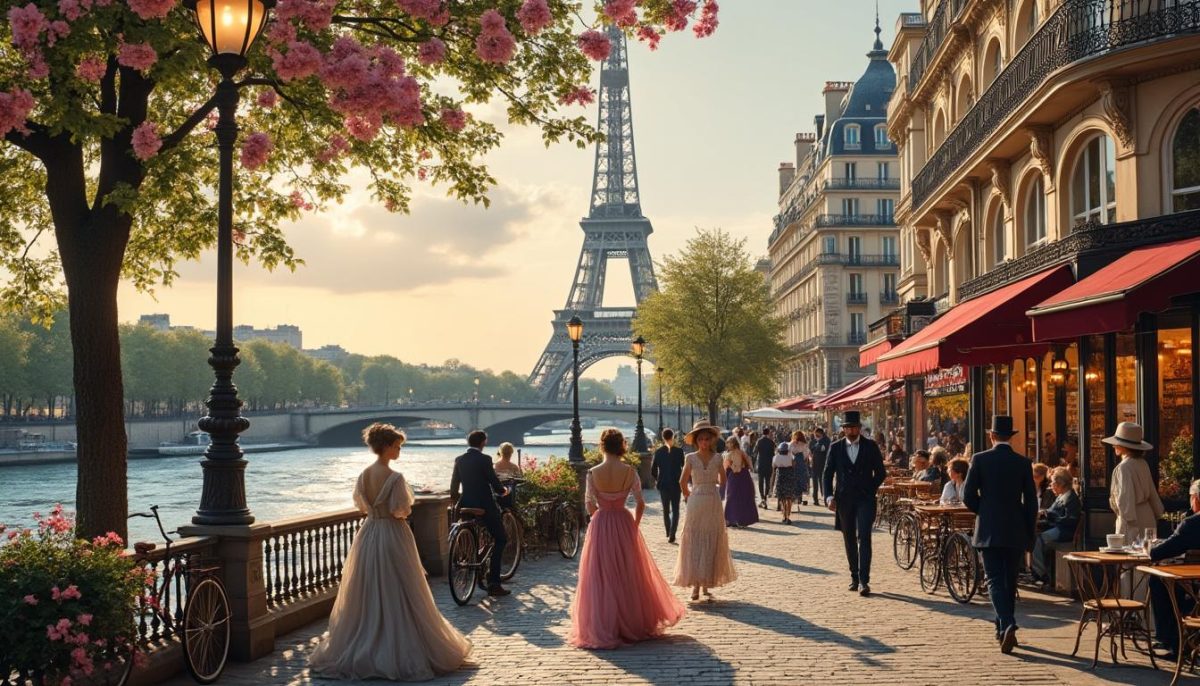
The importance of these events grew immensely in the late 19th century, culminating in the iconic 1889 exposition, which marked the centennial anniversary of the French Revolution. It was during this fair that the Eiffel Tower was unveiled, initially intended as a temporary structure. Designed by the brilliant engineer Gustave Eiffel, the tower became a symbol not only of Paris but also of the spirit of innovation and architectural daring prevalent at the time. This bold structure took the world by storm and became an iconic landmark that defined the Paris skyline.
Architectural Marvels: Innovations in Design and Engineering
The architectural achievements of the Paris Universal Expositions are among their most significant legacies. Each fair was a showcase of modern engineering techniques, where ambitious designs were realized through innovations in materials and construction methods. For example, the Palais de Chaillot, built for the 1937 Exposition, reflects architectural trends that emphasized both functionality and aesthetic appeal. Designed by a group of young architects amid stiff competition, it is now a hub for museums and cultural activities.
Moreover, the 1925 Expo, which highlighted the emerging Art Deco style, is significant in demonstrating how architecture served as a medium for artistic expression. Featuring streamlined forms and bold geometry, Art Deco quickly became synonymous with modernity. The influence of this style is still seen in many Parisian buildings today, showcasing the lasting impact of the expo on architectural trends.
The juxtaposition of tradition and modernity was evident in the designs presented at these fairs. Classic motifs were often combined with modern materials like iron and glass, resulting in stunning representations of both continuity and change within the architectural landscape of Paris. This intricate blend of styles made the fairs not just a celebration of innovation but also a canvas for artistic expression reflecting the cultural zeitgeist of each period.
Art Exhibits: A Glimpse into Cultural Exchange and Expression
Art was a focal point at the Paris Universal Expositions, showcasing the creativity and cultural narratives from various countries. Each exposition created a space for artists to present their work, often reflecting the prevailing social and political circumstances of their time. For instance, the 1878 Expo featured the head of the Statue of Liberty, highlighting the collaborative relationship between France and the United States and serving as a powerful symbol of freedom and democracy. This statue, designed by Frédéric Bartholdi and constructed with the help of Gustave Eiffel, would later be shipped to New York, reinforcing the idea of global exchange.
The art displays at these exhibitions often served as barometers for societal change and artistic movements. The 1925 Expo particularly emphasized the modern age by featuring avant-garde exhibits that introduced new artistic philosophies, leading to the evolution of Art Deco and influencing design in furniture, fashion, and everyday objects. The contribution of these exhibitions to the art world cannot be understated, as they both documented and propelled the movement of art into the modern era.
In addition to painting and sculpture, the exhibitions also explored the realms of industrial design and decorative arts. By inviting international artists and craftsmen, the fairs became a melting pot of ideas and styles, fostering a sense of unity amidst diversity. The collaborative spirit exemplified the essence of the Paris Universal Expositions, where culture thrived through dialogue and shared experiences.
Technological Advances: Pioneering Innovations
Each Paris Universal Exposition served as a laboratory for technological advancements that shaped not only the city but the world at large. The Bordeaux wine classification system, established for the 1855 Expo, is a prime example. Commissioned by Napoleon III, this classification provided consumers with a reliable method for distinguishing the quality of wines, and it remains largely unchanged to this day.
At the 1867 Exposition, the introduction of electric lighting showcased how innovations could revolutionize public spaces. Visitors were treated to breathtaking displays where light and water converged to create mesmerizing fountain shows, capturing the cultural shift towards modernity. This expo also saw the demonstration of early electric engines, highlighting how technology could enhance everyday life.
The exhibitions did not shy away from more experimental concepts either. In 1867, Jules Verne, inspired by the submarine exhibits, penned one of his most renowned novels, “20,000 Leagues Under the Sea.” His fascination with the technological prowess of submarines revealed how these fairs could inspire art and literature, extending beyond the immediate visual experience. These technological marvels pointed toward a future where constant innovation would become a norm.
Cultural Impact: Defining Paris as a Global Hub
The cultural impact of the Paris Universal Expositions extends far beyond the exhibitions themselves. They helped to define Paris as a global hub for culture and innovation, attracting architects, artists, and inventors from around the world. The eclectic mix of participants inspired dialogues about progress and the future of humanity, setting the tone for cultural developments in the 20th century.
These events also provided a platform for nations to showcase their achievements. From the ornate pavilions representing various countries to the demonstrations of craftsmanship, the expositions were a testament to the growing spirit of global exchange. They fostered a sense of international collaboration, where nations not only competed but also learned from each other, paving the way for greater understanding and appreciation of different cultures.
As the last of the Paris Universal Expositions in 1937 increasingly blended art and technology, it reaffirmed the vision of Paris as a forward-thinking city. Attendees experienced the future of urban living through innovative displays and thoughtful discussions about society’s challenges. This ongoing dialogue about progress and culture would resonate with future generations, further solidifying Paris’s role as a leading cultural capital.
Continuing the Legacy: Lessons for Today
The legacy of the Paris Universal Expositions is not merely historical; it continues to influence contemporary practices in architecture, technology, and cultural exchange. The exhibitions underscored the importance of collaboration, artistic expression, and technological innovation in shaping society. As Paris looks towards its future, reflecting on the values embodied in these expositions can inspire a renewed sense of purpose in tackling modern challenges.
The principles of creativity, sustainability, and inclusion that defined these fairs resonate profoundly today. The expos encouraged ambitious dreams, reminding us that innovation is not just about technology but also about the ways in which we share knowledge and experiences globally. As we navigate an increasingly interconnected world, the lessons learned from the Paris Universal Expositions remain relevant, fueling aspirations of progress and unity.
| Exposition Year | Main Highlights | Significant Innovations |
|---|---|---|
| 1855 | First Universal Exposition | Bordeaux Wine Classification |
| 1867 | Fountain Displays, Electric Lighting | Electric Motors |
| 1889 | Unveiling of the Eiffel Tower | Iron Construction Techniques |
| 1925 | Introduction of Art Deco | Modern Decorative Arts |
| 1937 | Art and Technology Theme | Modern Architecture, Multimedia Displays |