The Paris Zoological Park, also known as the Parc Zoologique de Paris, offers a vibrant tapestry of wildlife experiences. Nestled in the heart of Paris’ 12th arrondissement, this park celebrates the beauty of biodiversity while promoting animal conservation. In a city where history meets modernity, this zoological park stands as a testament to innovative ecological thought and design. The recent renovations, which cost approximately 200 million Euros, have transformed it into a space that embodies the essence of nature in an urban setting. This engaging destination invites visitors to explore diverse ecosystems through immersive natural habitats, creating a unique environment for both wildlife and guests alike.
One of the hallmarks of the Paris Zoological Park is its commitment to education and conservation. As the park opens its doors to more than 180 species, it creates a compelling narrative about the importance of protecting endangered wildlife and restoring biodiversity. The integration of exquisite natural features, such as an artificial lagoon and the Great Rock, enlivens the experience and showcases the park’s dedication to protecting animal habitats. The park not only serves as a recreational facility but also as a crucial center for *zoology*, focusing on the intricacies of animal behavior and ecology. This multifaceted approach ensures that every visit is an opportunity for learning, understanding, and appreciating the wonders of animal life.
Discover the Five Unique Biozones of the Paris Zoological Park
The layout of the Paris Zoological Park is particularly intriguing, as it is structured around five distinct biozones that represent various ecosystems. This innovative design allows visitors to journey through different environments while observing a myriad of animals in a habitat that closely mimics their natural surroundings. Let’s delve deeper into what each biozone offers and the wildlife that call them home.
A Glimpse into the Amazon-Guyana Biozone
Upon entering the Amazon-Guyana biozone, one is instantly transported to a captivating, endangered rainforest. This lush environment supports a diverse range of species, from tapirs and jaguars to manatees swimming gracefully in the sparkling waters. The colorful plumage of various birds creates a harmonious atmosphere as they flit between the branches. Notably, the biozone is not only a display of *biodiversity* but also a sanctuary dedicated to endangered species such as the manatee and the arapaima, the world’s largest freshwater fish.
Visitors often gather around as sloths and anteaters make their way through the undergrowth, and the overhead activity of playful primates such as white-faced sakis adds joy to the experience. The cascading waterfall serves as a backdrop, enhancing the illusion of being in the heart of the Amazon rainforest while educating visitors about the ecological importance of these species in their natural habitat.
Europe: A Fresh Perspective on Familiar Grounds
The European biozone presents an opportunity to appreciate the wildlife endemic to the continent. Dominated by the Great Rock, this section captivates guests with its towering structure and accompanying natural features such as an otter waterfall. It is not just a feast for the eyes, but a crucial *ecosystem* that houses species like Iberian wolves and lynxes amid a landscape filled with conifer forests.
This region focuses heavily on conservation efforts, featuring species that are often overlooked. In a stunning aviary, visitors can see magnificent birds such as the Egyptian vulture and the Red Kite, portraying the biodiversity that exists within Europe. The interactive feeding sessions offer a thrilling experience, particularly when the vultures swoop down to catch their meals, enticing even the youngest spectators.
The Largest African Biozone in France
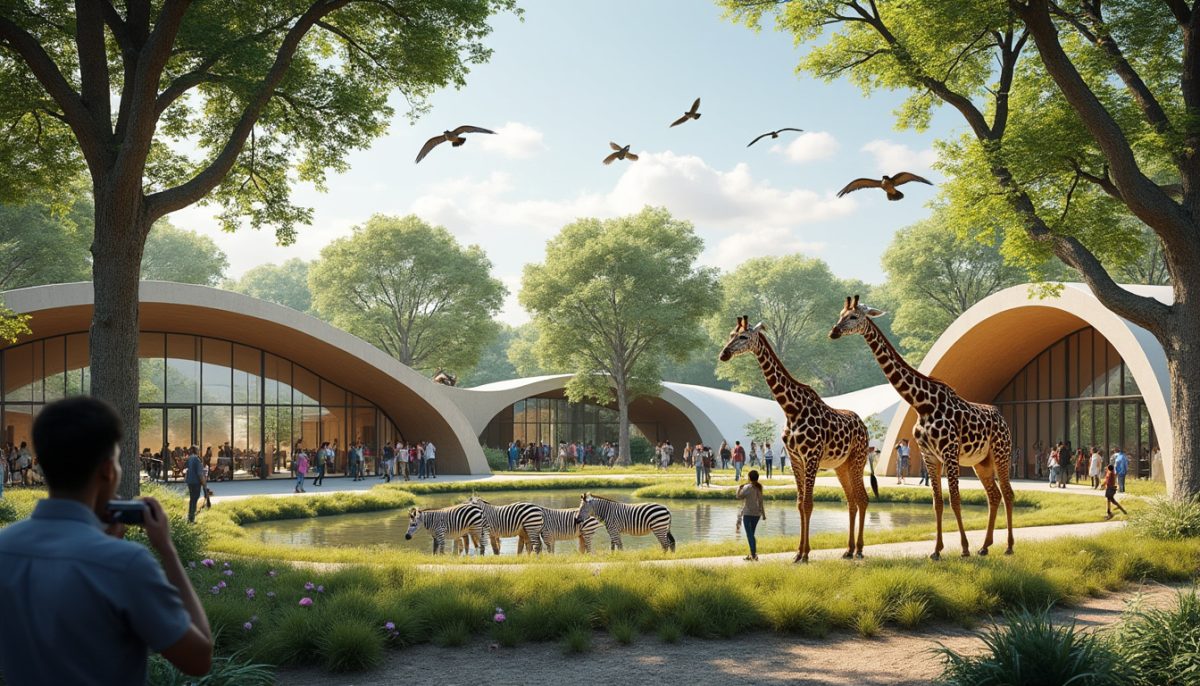
As the largest biozone at the Paris Zoological Park, the African section showcases the continent’s impressive assortment of wildlife. Spanning almost five hectares, this area simulates various African landscapes such as savannas and deltas. Animals like white rhinoceros, zebras, and west African lions roam freely, providing visitors with an authentic view of how these magnificent creatures coexist.
The African biozone also champions conservation by housing critically endangered species, including the scimitar-horned oryx and the addax. These antelopes act as ambassadors for their threatened relatives, aiming to raise awareness about the urgent need for wildlife protection. The massive aviary allows guests to walk through a vibrant habitat filled with free-flying birds, enhancing the feeling of being immersed in an unspoiled wilderness. The presence of the largest herd of giraffes in Europe—led by Benny, a favorite among the visitors—underscores the zoo’s commitment to creating spacious animal habitats.
Embracing Madagascar’s Unique Ecosystem
Madagascar, the fourth largest island globally, boasts an extraordinary range of flora and fauna, with around eighty percent of its species being endemic. The Madagascar biozone immerses guests in appealing tropical rainforests that cradle unique wildlife, including various lemur species. The greater bamboo lemur, which faces endangerment, adds to the tapestry of life on display.
As visitors explore further, they will notice a transition from lush rainforest to a stark desert environment, a testament to Madagascar’s rich but fragile ecological diversity. The fossa, a carnivore unique to Madagascar, frequently traverses the dense vegetation, captivating onlookers with its elusive charm. This duality of environments vividly illustrates the challenges faced by wildlife in an ever-changing world.
Journey Through Patagonia: Resilience and Biodiversity
Patagonia offers visitors an insight into a region that straddles the border between Argentina and Chile. This biozone encapsulates the rugged beauty of South America, showcasing its sea lions and Humboldt penguins. Guests can observe these charismatic creatures in their habitats, with underwater viewing areas providing a unique vantage point for watching their playful antics.
Within the recreated Andean forest, smaller species such as the Andean pudu, the tiniest deer in the world, navigate through their environment with remarkable agility. This biozone highlights the importance of preserving such habitats, not only for the creatures that inhabit them but for the *biodiversity* of the entire region. The diversity of life found here serves as a reminder of the delicate balance necessary for maintaining healthy ecosystems.
| Biozone | Key Features | Endangered Species |
|---|---|---|
| Amazon-Guyana | Rainforest habitat with diverse animal life | Manatee, Arapaima |
| Europe | Flora-rich zones with avian diversity | Various birds of prey |
| Africa | Large open spaces mimicking the African savanna | Scimitar-horned oryx, Addax |
| Madagascar | Rainforest to desert transition | Greater bamboo lemur, Fossa |
| Patagonia | Underwater views and rocky habitats | None listed |
The Paris Zoological Park is not just a destination for entertainment; it embodies a commitment to animal conservation and education. By visiting this stunning park, you partake in a larger narrative of *wildlife wonders* and biodiversity. Not only do guests gain a closer look at various creatures, but they also participate in a greater movement towards ecological responsibility. For those eager to explore the park and its surroundings further, it is conveniently located near the Bois de Vincennes, which adds yet another layer of adventure to your visit.