In the vibrant heart of Paris, food markets stand as cultural beacons, radiating the rich tradition and flavor that define the culinary landscape of the city. From sun-kissed fruits and artisanal cheeses to freshly baked baguettes and charcuterie, these bustling environments are not just places to buy food; they are living, breathing expressions of local terroir and culinary heritage. Each market tells a unique story, reflecting the seasons, the artisans behind the produce, and the timeless ritual of shopping for meals within the community. As you wander through these market stalls, you will encounter the very essence of Paris itself—an interplay of taste, conversation, and a shared love for cooking and eating.
Exploring the markets immerses visitors not only in a feast for the senses but also in a deep dive into Parisian culture. The markets are alive with conversation, laughter, and a palpable excitement as vendors and customers engage in the age-old tradition of haggling and sharing recipes. Whether you are a seasoned chef or a curious traveler, there is something nostalgic about the experience of perusing fresh produce, each stall brimming with the bounty of nearby farms or the craftsmanship of local artisans. This is where the City of Light’s culinary pulse can be felt—an intimate look at how Parisians celebrate their gastronomic heritage day after day.
The Uniqueness of Parisian Food Markets
The charm of Parisian food markets is their inherent authenticity. Unlike commercial marketplaces, these local marts are thriving centers of community life, where generations have gathered to purchase ingredients essential to their daily meals. Markets like Marché des Enfants Rouges and Marché d’Aligre have carved out substantial reputations, drawing both locals and tourists looking for an authentic taste of Paris. Visitors can expect to find more than just grocery items; they can immerse themselves in a culinary adventure.
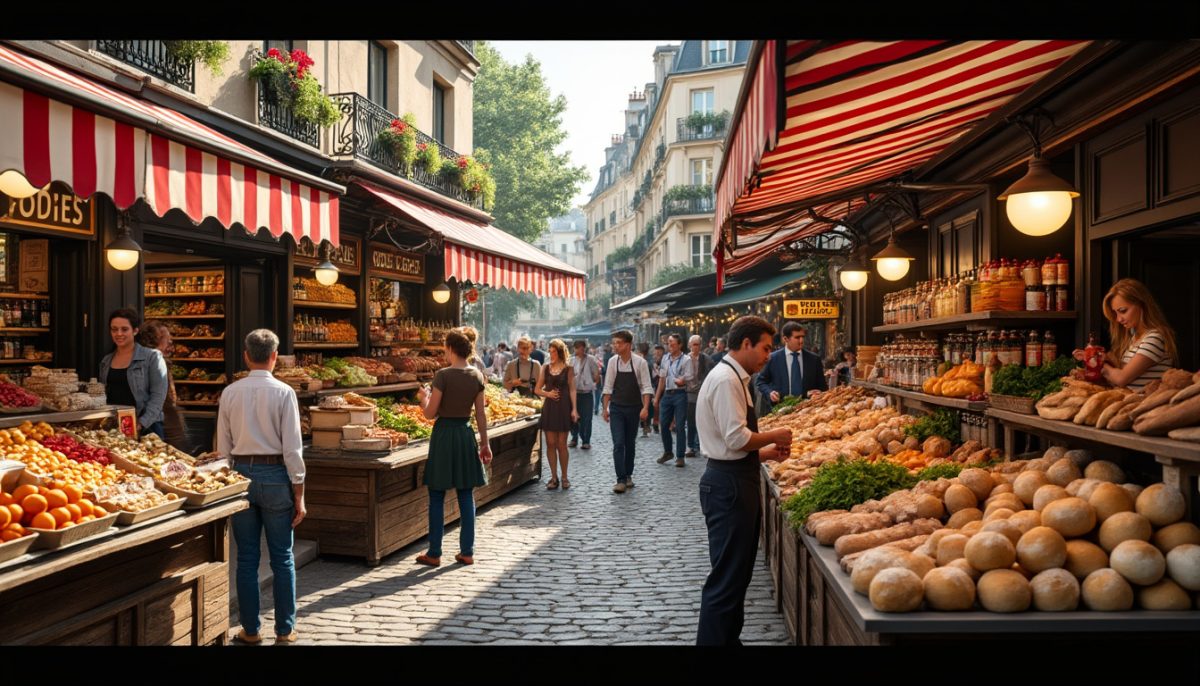
The atmosphere at these markets is electric. Vendors shout out the day’s specials, and friendly banter dances through the air as locals engage with their favorite sellers. As you navigate through the stalls, the vibrant displays of fresh produce catch the eye—from ripe heirloom tomatoes to colorful heirloom carrots—everything is seasonal and varied, showcasing the true essence of local terroir. Each stall serves as a reminder of the seasons as fresh ingredients shift with the calendar.
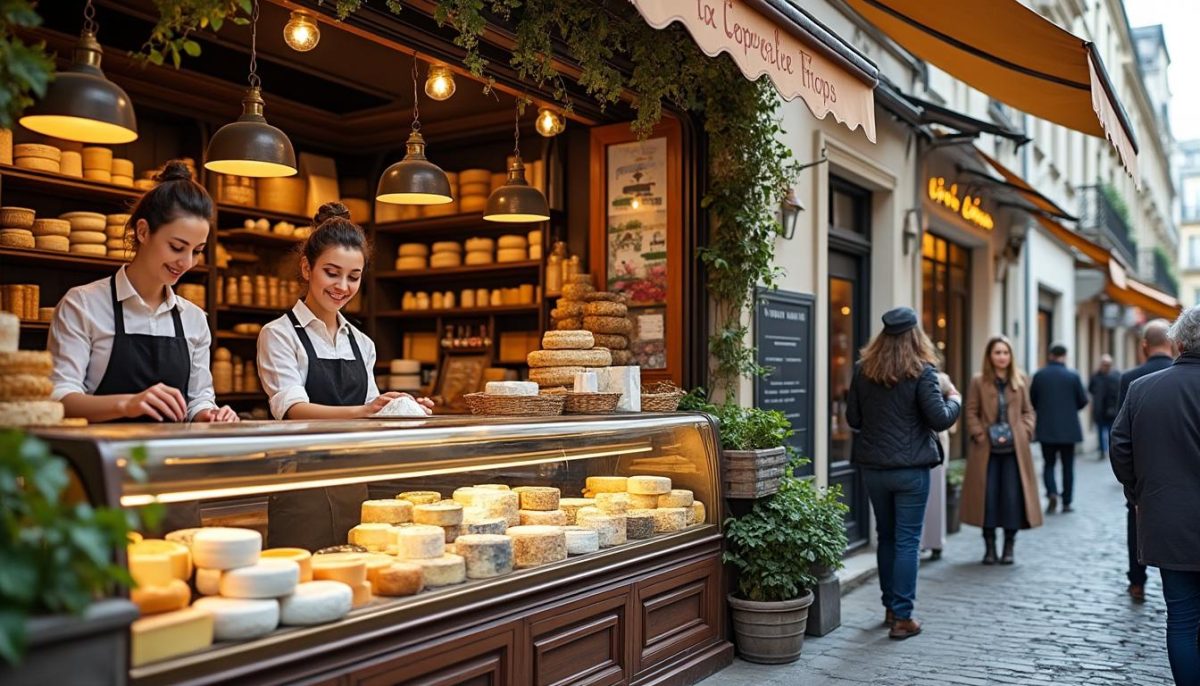
But it’s not just about the food. Each market fosters a sense of community, serving as a central hub for social interaction. Regular vendors know their repeat customers, sharing not just produce but also laughter and memories. This dynamic creates a warm, inviting atmosphere, inviting you to join in the exchange. Finding the best cheese makers, the most intricate pastries, or the freshest seafood is akin to discovering hidden gems within the city—a treasure trove of flavors waiting to be explored.
Market Culture Through the Ages
The history of Parisian markets is as rich as the flavors they offer. Many of these markets have been around for centuries, adapting through the ages while retaining their core cultural essence. For instance, Marché des Enfants Rouges, the oldest covered market in the city, has been a gathering place since the early 1600s. Originally established to serve the nearby orphanage, it has evolved to become a bustling hub of diverse culinary offerings.
Traditionally, markets played a crucial role in the social fabric of Paris. They provided access to fresh, local ingredients at a time when refrigeration was non-existent. Households depended on markets not only for groceries but also for social interaction, creating a shared experience among neighbors. This legacy continues today, with folk gently haggling for the best price on cheese or spending an afternoon discussing the merits of various vegetables with local farmers.
How these spaces handle modern challenges also speaks to their resilience. In a rapidly globalizing world, where supermarkets dominate much of the food landscape, the markets strive to remain relevant. They adapt by integrating local offerings with gourmet delicacies, showcasing artisanal goods that celebrate both tradition and innovation. This balance keeps the markets vibrant and vital in a cultural environment that could easily forget its roots.
Notable Parisian Markets Worth Visiting
As you venture through Paris, several markets stand out as must-visit destinations for both their offerings and their unique atmospheres. Let’s explore a few of these hidden culinary treasures, each with its distinct charm and flavor profile.
Marché d’Aligre, located in the 12th arrondissement, is a lively mix of open-air stalls and a covered market, buzzing with locals hunting for deals. It’s known for its affordability and variety, offering everything from fresh produce to Moroccan spices, and a butcher known for exceptional quality. The mix of cultures here is palpable, making it an exciting destination for culinary exploration.
Next, the historic Rue Cler stands as a quintessential market street, where shoppers can find beautiful displays of fresh flowers, artisanal bread, and unmatched dairy products. This picturesque street embodies the essence of local shopping—a scene where residents fill their baskets with ingredients for tonight’s meal while exchanging pleasantries with the vendors.
Then there’s Marché des Enfants Rouges, which, beyond its historical significance, has evolved into a culinary melting pot. Here, you can sample dishes from around the world—savory tagines, sushi, and traditional French fare—all found under one roof. It’s an experience that brings together the city’s multicultural spirit, allowing visitors to enjoy a global gastronomy adventure without leaving the market.
| Market Name | Location | Highlights |
|---|---|---|
| Marché d’Aligre | 12th arrondissement | Affordability, variety, international foods |
| Rue Cler | 7th arrondissement | Picturesque street, flowers, artisanal bread |
| Marché des Enfants Rouges | 3rd arrondissement | Historical market, diverse culinary offerings |
The Experience of Shopping at a Parisian Market
Shopping at these markets transcends the act of merely buying food; it encapsulates an experiential journey—each visit is an opportunity to learn, taste, and connect. A typical visit might start with a stroll down the colorful aisles, with the aroma of fresh herbs and baked goods wafting through the air, inviting you to sample and savor. The sounds of laughter and lively conversations wrap around you like a warm embrace.
As you approach a stand selling fruits, for instance, the vendor might offer a taste of their ripest strawberries, explaining how they sourced them from a local farm—an opportunity to learn about the significance of fresh produce in French cuisine. Wandering from stall to stall, you might pick up a lovely piece of cheese while chatting with the cheesemonger about the best wine pairings, or discover newly baked goods that remind you of your grandmother’s kitchen.
This kind of interaction—the friendly exchanges and shared stories—transforms the market into more than just a shopping destination. It fosters a sense of community, both among the vendors and between the vendors and shoppers. As Parisian meals are often communal affairs, sharing this experience adds another layer of richness and enjoyment.
Seasonal Events and Specialties: Keeping Traditions Alive
One of the delightful aspects of Parisian food markets is their ability to reflect seasonal changes. Each season brings its own produce and festivities, shaping not just the offerings but also the atmosphere. For instance, summer markets overflow with colorful tomatoes, juicy berries, and herbs, inviting a myriad of fresh salads and light meals. Conversely, autumn brings hearty squashes and deep, flavorful root vegetables that are perfect for warming dishes.
During the festive seasons, several markets host special events, further enriching the experience. Winter holiday markets spring up, adorned with twinkling lights and filled with artisanal pastries, spiced wines, and handcrafted gifts. These events often highlight the traditional culinary practices of the region, inviting locals and visitors alike to celebrate together while indulging in seasonal treats.
By actively preserving these traditions, Parisian food markets ensure that the city’s culinary heritage continues to thrive in modern contexts. They maintain a delicate balance between contemporary innovations and the time-honored practices that have shaped French gastronomy for centuries, providing a glimpse into a delightful past while embracing the future.
The Importance of Supporting Local Artisans
The vitality of Parisian markets is significantly tied to the support for local artisans who dedicate their lives to crafting high-quality products. These artisans are committed to preserving traditional methods in the face of modern, mass-produced alternatives. Choosing to shop at these markets means opting for quality over quantity, while fostering a community focused on sustainability and mindful consumption.
When you purchase artisanal goods—be it cheese, bread, or pickles—you are not just acquiring food; you are also supporting the livelihoods that sustain these local treasures. As you engage with the vendors, it becomes clear that behind every product lies a story of passion, labor, and perseverance, underscoring the value of local craftsmanship and dedication to preserving a rich culinary narrative.
By visiting Paris’ markets, you are contributing to the resilience of independent producers. Every time you choose local over imported, you are actively participating in a cultural movement that emphasizes sustainability, community, and the unique flavors that make Parisian cuisine an ever-evolving art form. This connection between the consumer and producer creates a richer culinary experience that extends beyond mere transactions and fosters a deeper appreciation of the culinary arts.