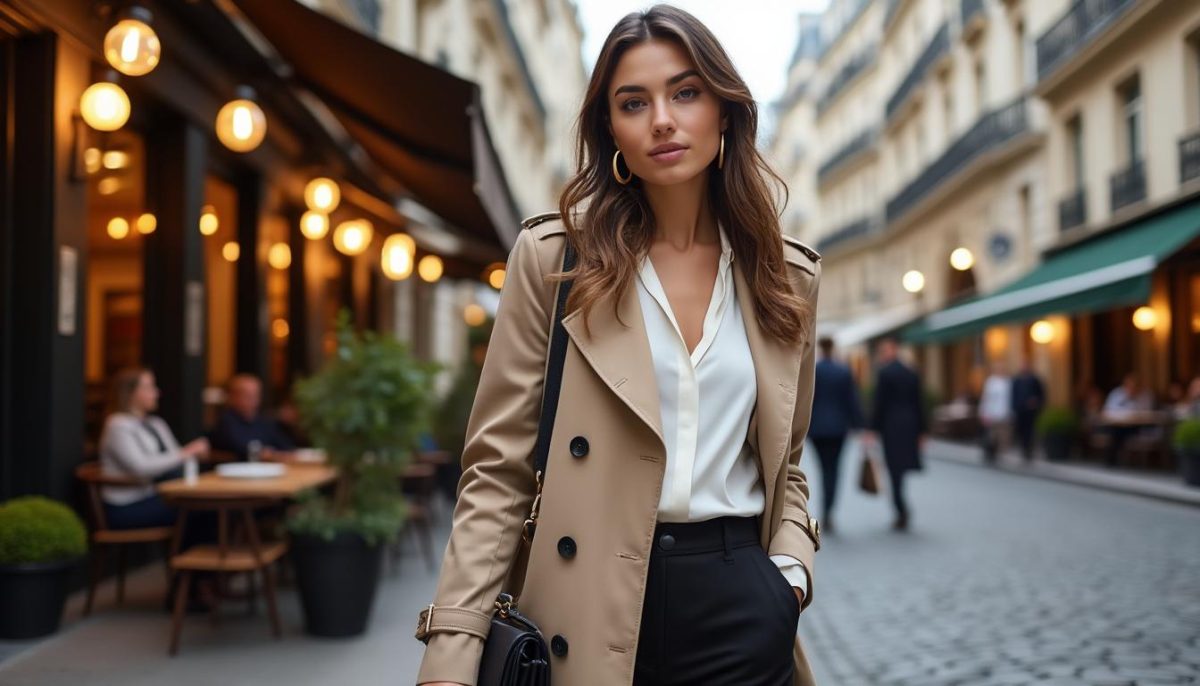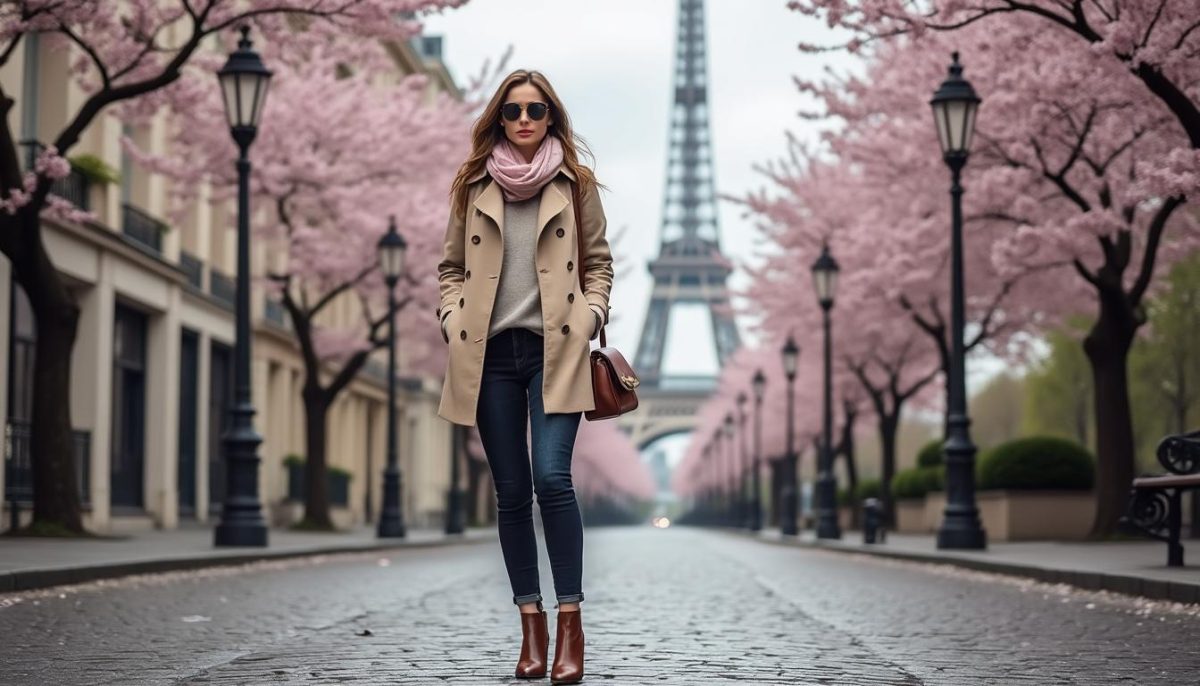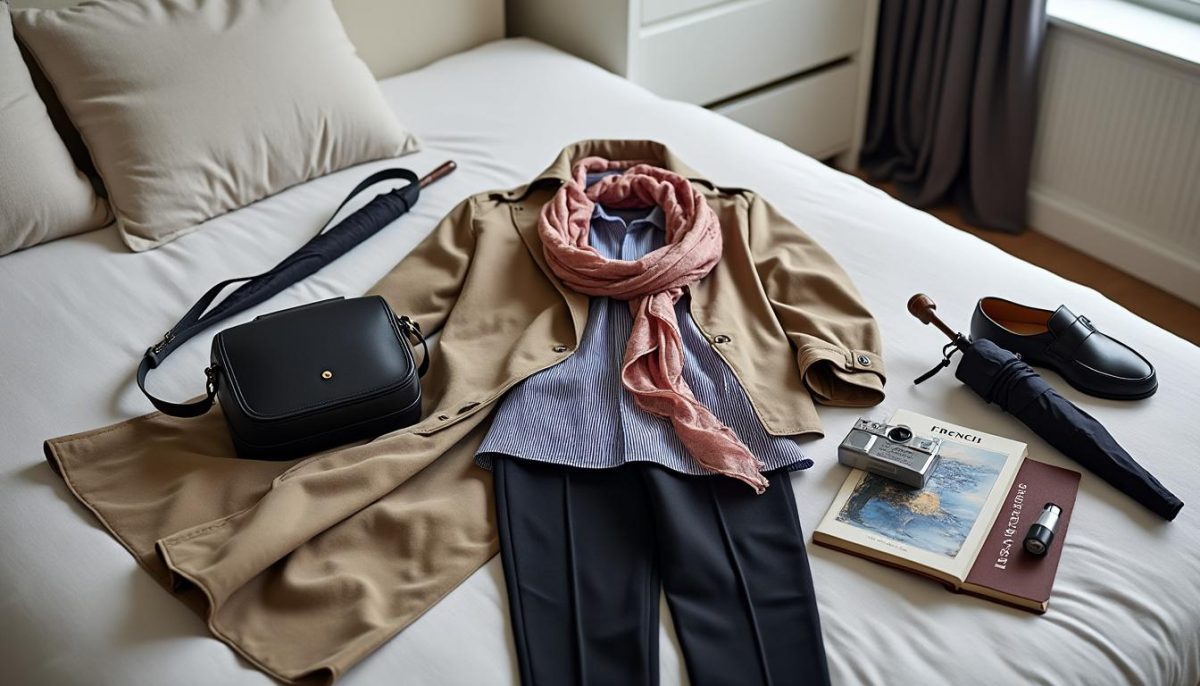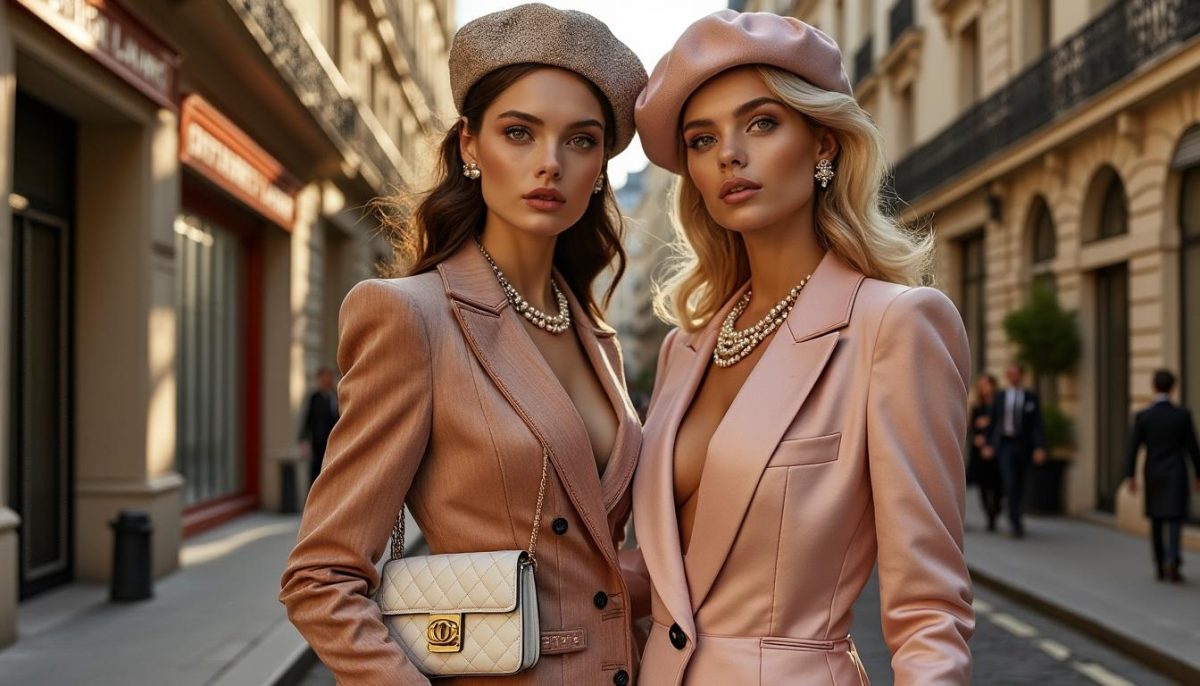
Step into the enchanting world of Parisian fashion, where every thread tells a story woven with dreams, elegance, and luxury. Paris, often regarded as the historical epicenter of haute couture, graces the globe with its iconic houses that have defined style for generations. 2026 bears witness to a resurgent appreciation for these legendary organizations, which continue to elevate their artistry. From the mastery of Christian Dior to the innovative designs of Chanel, the influence of French fashion extends far beyond the city’s borders, captivating the hearts of admirers worldwide. By exploring these renowned fashion houses, one uncovers not just trends but the very essence of creativity that flows through the streets of Paris.
In the realm of luxury and refinement, fashion houses like Lanvin, Louis Vuitton, Hermès, and Dior represent more than just brands; they are cultural touchstones that embody the Parisian spirit. With a legacy rooted in excellence, these maisons narrate tales of innovation, femininity, and unparalleled craftsmanship. As they continue to evolve in today’s fast-paced world, these fashion icons remain steadfast, honoring their traditions while embracing new styles and technologies. Here, we celebrate their contributions to the rich tapestry of Parisian luxury and reflect on how their timeless charm continues to inspire contemporary fashion.
Christian Dior: The New Look Revolution
At the very heart of Parisian haute couture lies Christian Dior, a name synonymous with elegance since its inception shortly after World War II. The revolutionary “New Look,” launched in 1947, forever altered women’s fashion, featuring exquisite silhouettes characterized by full skirts, defined waists, and fitted jackets. Dior sought to empower women by reviving glamour during a time when austere tastes prevailed. This design ethos resonated deeply with women eager to embrace their femininity, and through Dior’s creations, they found a renewed sense of confidence.
The central showroom located at 30 Avenue Montaigne is an homage to the brand’s Parisian roots. The decor, a tasteful blend of pristine whites and soft greys, combined with the elegance of Louis XVI furnishings, encapsulates the timeless appeal of Dior. This extraordinary space not only showcases the latest collections but also pays tribute to the brand’s rich heritage. Other notable locations in the city, including new stores on the Champs-Élysées, enhance the Dior experience for fashion enthusiasts and casual visitors alike.
Today, Dior extends its offerings beyond haute couture, with prêt-à-porter lines catering to a diverse clientele. Iconic designer John Galliano took the reins in 1996, infusing the house with theatrical flair while staying true to the foundational elements that made Dior a household name. His virtuoso designs celebrated femininity, earning accolades and recognition for their romantic essence.
By blending classic styles with shocking modernity, Dior remains a beacon of luxury and innovation. For every Parisian traveler, indulging in Dior’s artistry at their showroom is a must, each collection a reminder of the house’s pivotal role in redefining fashion history.
Lanvin: A Legacy of Feminine Elegance
Lanvin, one of France’s oldest fashion houses, has experienced a revival that underscores its relevance in contemporary fashion. Founded by suffragette Jeanne Lanvin in 1889, the brand has always championed femininity through its designs. Originally starting as a milliner, her shift to creating dresses made waves, particularly with royal clients opting for her exquisite garments. Lanvin was innovative—being one of the first to utilize gold lamé and dressing Hollywood legends such as Marlene Dietrich.
The flagship store at 22 Rue du Faubourg Saint-Honoré reflects the opulence of the brand’s creations, a symbol of its historical significance. Recent exhibitions, such as those at Palais Galliera, celebrate Lanvin’s enduring impact on fashion by showcasing pieces that capture the spirit and artistry of the early 20th century. Under the artistic direction of Alber Elbaz, the label regained its footing, making substantial profits and attracting a roster of celebrity clientele.
Over the decades, Lanvin has adapted to the changing landscape of fashion without compromising its identity. Specializing in haute couture and prêt-à-porter, the brand now embodies ultra-feminine cocktail dresses and accessories, solidifying its place in luxury markets globally. In 2026, Lanvin continues to redefine modern elegance while cherishing its illustrious heritage, reminding all that true style transcends time.
Louis Vuitton: The Pinnacle of Luxury
When considering luxury fashion, few names resonate as profoundly as Louis Vuitton. Established in 1854, the brand takes pride in its origins as a maker of high-quality travel cases, setting an early standard for durability and style. The iconic LV monogram, pioneered by Georges Vuitton in 1896, has evolved into one of the most recognizable logos in the world, symbolizing a status that transcends mere design.
On the luxurious Champs-Élysées, Louis Vuitton’s flagship store stands as a testament to the house’s timeless allure. Far from being merely a shopping destination, this grand Art Deco department store invites visitors to immerse themselves in a lavish experience as they explore five floors dedicated to fashion and art. The monumental staircase serves as a focal point, reflecting the house’s ethos of elevating luxury to an art form.
In the hands of creative directors like Marc Jacobs, Louis Vuitton has bridged classical craftsmanship with modern trends, collaborating with diverse artists and designers. From Jeff Koons to Virgil Abloh, these associations have breathed new life into traditional offerings, ensuring the brand remains at the forefront of both luxury and cultural discourse. Travel enthusiasts for years to come will undoubtedly consider visiting this iconic location a pilgrimage of sorts.
As Louis Vuitton approaches its 175th anniversary in 2029, it continues to champion innovation while never losing sight of its heritage. The allure of its products, from bags to shoes, speaks volumes about the universal appeal of Parisian luxury.
Hermès: Craftsmanship and Legacy
Hermès, a name that conjures images of lavish silk scarves and other leather goods, traces its roots back to 1837 when Thierry Hermès began crafting saddles for European nobility. This distinguished heritage grounded in tradition has propelled Hermès into a realm of tailored refinement and innovation over the years. Moving from saddlery to haute couture, the brand introduces timeless pieces, the most notable being the Kelly and Birkin bags that symbolize not only luxury but also exclusivity.
The flagship store located at 24 Rue du Faubourg Saint-Honoré underscores the richness of its legacy, while the innovative concept store in the 6th Arrondissement showcases creativity at its finest. This former swimming pool displays unique pieces that breathe new life into Hermès’ discarded materials, revealing how the brand celebrates sustainability without compromising on its high standards.
With collections that embody the ethos of bespoke tailoring, Hermès also insists on unrivaled craftsmanship. Each item tells a story, rooted in values of quality and authenticity. The popular silk scarves, beloved by former First Lady Jacqueline Kennedy, reflect an artistry that marries tradition with modern appeal. In 2026, Hermès remains a beacon for those who appreciate true craftsmanship, sophistication, and elegant design.
Chanel: The Timeless Legacy of Coco
No exploration of Parisian luxury fashion can neglect the indelible mark left by Chanel. Gabrielle Bonheur “Coco” Chanel revolutionized women’s wear in the early 20th century, introducing styles that emphasized comfort and elegance. Through the creation of the Chanel No. 5 perfume and the classic Chanel suit, she challenged societal norms, championing a fashion philosophy that prioritized usability over ostentation.
Today, the flagship on 31 Rue du Cambon remains a pilgrimage site for fashion enthusiasts eager to glimpse the legacy of Coco. The venue features her iconic apartment, where she designed timeless collections, with the spiral staircase creating an unforgettable backdrop. Karl Lagerfeld, who helmed Chanel’s creative direction until 2019, kept the house alive with innovative designs while respecting its core identity.
Chanel’s enduring appeal lies in its ability to blend modernity with iconic elements. The little black dress, a staple of contemporary wardrobes, stands as a testament to Chanel’s vision, fundamentally shifting perceptions of fashion in the early 20th century. Fashion lovers in 2026 continue to admire Chanel’s influence as it thrives in the luxury market, neatly balancing tradition with modern direction.
| Fashion House | Founded | Main Offerings | Flagship Store Location |
|---|---|---|---|
| Christian Dior | 1947 | Haute Couture, Prêt-à-Porter | 30 Avenue Montaigne |
| Lanvin | 1889 | Haute Couture, Prêt-à-Porter | 22 Rue du Faubourg Saint-Honoré |
| Louis Vuitton | 1854 | Luxury Goods, Accessories | 101 Avenue Champs-Élysées |
| Hermès | 1837 | Leather Goods, Accessories | 24 Rue du Faubourg Saint-Honoré |
| Chanel | 1910 | High Fashion, Beauty | 31 Rue du Cambon |
As the world turns its gaze toward Paris in 2026, the magic of these luxury fashion icons captures both enthusiasts and newcomers alike. Each maison embodies a unique essence of elegance, celebrating an illustrious heritage while paving the way for future generations. Without a doubt, exploring this vibrant fabric of Parisian luxury provides a compelling lens into cultural history and modern sophistication.