Paris is a city that resonates with art, culture, and history, making it a cherished destination for millions of visitors each year. Among its many treasures, the Musée Picasso stands out as a must-visit for those enamored with the world of modern art. Housed in the stunning Hôtel Salé in the Marais district, this museum showcases an unparalleled collection of works by Pablo Picasso, a man who profoundly influenced the trajectory of 20th-century art. With over 5,000 pieces, including paintings, sculptures, and sketches, the museum offers an intimate glimpse into the life and genius of this legendary artist. Each corner of the museum tells a story, not just of Picasso himself, but also of the turbulent world that shaped his creative journey.
The Historical Significance of the Musée Picasso
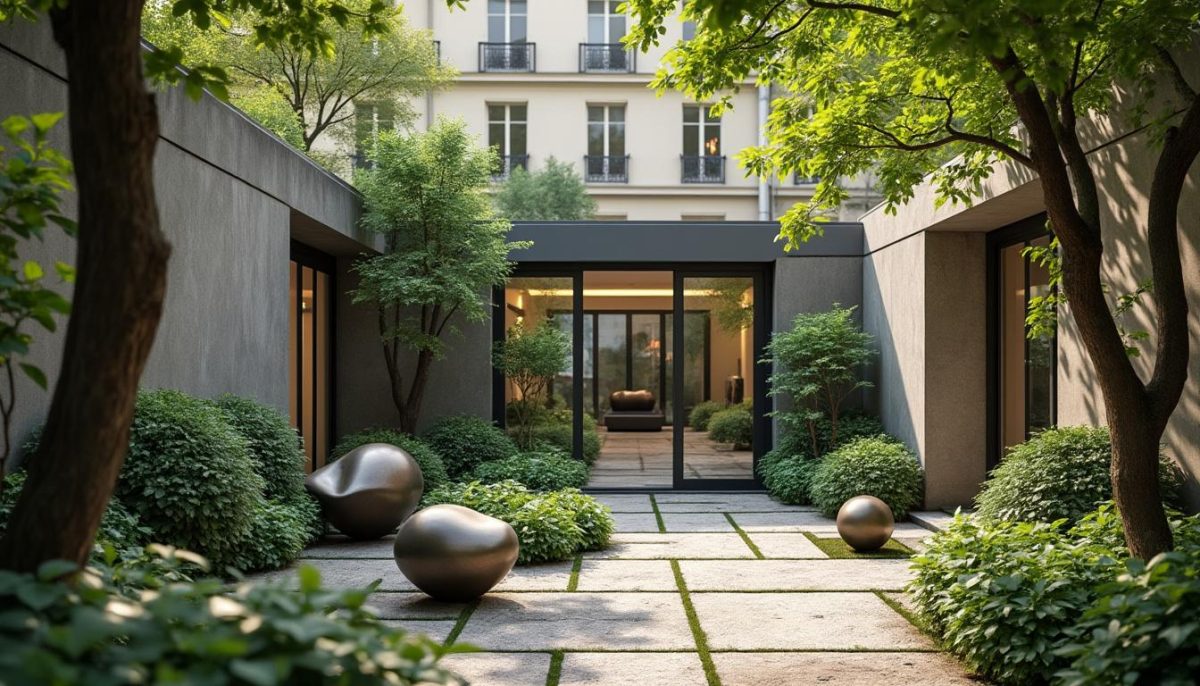
The Musée Picasso was established in 1985 to honor the life and work of the Spanish master who became synonymous with modern art. Its home, the 17th-century Hôtel Salé, is an architectural gem that reflects the elegance and ambition of its time. Originally constructed for Pierre Aubert de Fontenay, a wealthy salt tax collector, the building has undergone several transformations throughout its history. The museum’s significance goes beyond just being a venue for Picasso’s art; it embodies the intersection of history and culture that defines Paris.
The museum underwent a transformative renovation that culminated in its reopening in 2014. This major project doubled its exhibition space to about 54,000 square feet, allowing for a more comprehensive experience of Picasso’s varied artistic phases. The layout now offers multiple thematic sections, guiding visitors through Picasso’s artistic evolution in a way that’s both logical and engaging. This thoughtful design enhances the storytelling aspect of the museum, allowing for deeper reflection on the masterworks that hang on its walls.
Over the years, the museum has not only showcased Picasso’s own works but also his personal collection of artworks from other notable artists. This includes pieces by Henri Matisse, Georges Braque, and Joan Miró, providing context and interconnections between the artists that shaped Picasso’s career. Thus, a visit to the museum becomes not only an exploration of Picasso’s legacy but also a narrative of 20th-century art as a whole.
The Collection: A Walk Through Picasso’s Artistic Evolution
One of the highlights of the Musée Picasso is its extensive collection that captures various periods of the artist’s life. As you enter, the chronological layout allows visitors to experience the evolution of Picasso’s style, from his Blue Period, marked by somber tones and themes of melancholy, to his iconic period of Cubism, which forever altered the landscape of modern art.
The Blue Period (1901-1904) is characterized by shades of blue and somber character portrayals, reflecting Picasso’s feelings of despair and loneliness. Works such as “La Vie” provide insight into his emotional state during this time. Transitioning to the Rose Period (1904-1906), viewers encounter warmer tones and subjects that are more playful, often depicting circus performers and joyful scenes.
The museum’s arrangement encourages introspection; for instance, after observing the emotive qualities of the Blue and Rose periods, one can see the experimental Cubism that contrasts starkly with these earlier styles. This transitional phase is represented in notable works like “Les Demoiselles d’Avignon,” which challenged conventions and redefined artistic representation.
Additionally, Picasso’s later years are showcased with works infused with Surrealist influences, demonstrating his continual evolution as an artist. Each piece tells a story, combining personal experiences with broader societal movements. The museum does a commendable job of contextualizing these pieces, offering multimedia displays that engage both seasoned art lovers and newcomers alike.
Visiting the Picasso Museum: Practical Tips
It’s advisable to allocate sufficient time for your visit — at least two hours. This allows for leisurely exploration of the galleries, as well as time to appreciate the smaller details found in the multimedia displays and interactive installations. They provide deeper insights into Picasso’s life and the impact he had on his contemporaries. Moreover, booking a private tour can significantly enhance your visit. With a knowledgeable guide, you’ll not only witness the masterpieces but also gain an understanding of Picasso’s methodologies and the historical context in which he worked. These tours can reveal hidden gems within the collection and offer a unique perspective that enriches your experience. After enjoying the art, visitors can unwind at the museum’s rooftop café, which offers a spectacular view of the surrounding neighborhood. The menu includes delightful French pastries from renowned patisserie Angelina, ensuring a sweet treat is within reach. For an authentic Parisian experience, consider enjoying a glass of champagne or a refreshing glass of sangria while soaking in the ambiance. It’s also worthwhile to explore additional nearby cultural sites. For example, the Centre Pompidou, a mere ten-minute walk away, houses another impressive collection of modern and contemporary art. This makes a trip to the Picasso Museum an excellent starting point for a day immersed in Paris’s vibrant art scene. Pablo Picasso’s impact on the world of art cannot be overstated. From his innovative techniques to his ability to defy categorization, he continues to inspire generations of artists and art enthusiasts alike. The Musée Picasso not only serves as a repository of his accomplishments, but also reflects the changing paradigms of artistry through the decades. Picasso’s legacy extends beyond the confines of the museum walls. His pioneering work in Cubism transformed how we perceive space and form in art. This revolution is not merely historical but actively resonates in contemporary art practices. Emerging artists often draw from his groundbreaking techniques, demonstrating that Picasso’s influence remains both relevant and transformative. Moreover, the discussions surrounding Picasso’s works—the themes of identity, gender, and societal norms—further enrich the narrative of his legacy. The museum frequently hosts exhibitions and events that encourage discourse on these subjects, enriching public understanding and appreciation of Picasso’s work. The museum regularly features temporary exhibitions that delve deeper into various aspects of Picasso’s career and life. These exhibitions might focus on specific themes or artistic phases, allowing for a more nuanced investigation into the breadth of his work. Keeping an eye on the museum’s website or subscribing to their newsletter can provide updates on upcoming exhibitions and events tailored to deepen engagement with Picasso’s artistic journey. As art continues to change and evolve, the Musée Picasso will undoubtedly remain a cultural cornerstone in Paris, reflecting not only Picasso’s influence but also the ongoing dialogue within the art community. Whether you are a lifelong admirer or a first-time visitor, the museum offers a profound experience that transcends the ordinary, inviting all to explore the masterpieces of one of history’s most legendary artists.Dining and Amenities at the Museum
Picasso’s Enduring Legacy and Influence
Current Exhibitions and Future Insights
Art Period
Years
Notable Works
Blue Period
1901-1904
La Vie
Rose Period
1904-1906
Family of Saltimbanques
Cubism
1909-1912
Les Demoiselles d’Avignon
Classicism and Surrealism
1918-1945
Guernica
Final Years
Post-WWII – 1973
The Weeping Woman