Amid the vibrant streets of the Marais district, a hidden treasure awaits—Place des Vosges. This historic square is not just a feast for the eyes but also a haven of tranquility amidst the bustling activity that Paris is renowned for. Established in the early 17th century, it stands as France’s oldest planned square, an emblem of urban design that has inspired subsequent parks and squares worldwide. Its beautifully symmetrical layout, awash in red brick and white stone, is framed by majestic trees that provide shade to visitors seeking outdoor tranquility. Today, it’s a favored spot for both locals enjoying leisurely afternoons and tourists wishing to experience a quintessential slice of Parisian life. With cultural heritage woven into its very fabric, Place des Vosges encapsulates the essence of a serene garden that breathes life into the heart of the city.
History of Place des Vosges: From Royalty to Revolution
The tale of Place des Vosges is steeped in royal ambition and historical significance. Originally named Place Royale, the square was commissioned by King Henry IV in 1605. His vision was to create an elegant residential area that would attract the noble class to Paris, thus giving him the opportunity to oversee them closely. Interestingly, Henry IV’s designs for the square followed a Renaissance architectural style, directly inspired by the elegant piazzas of Rome and Florence, showcasing the merging of Italian and French architecture.
Initially, the site was home to the Hôtel des Tournelles, a less cohesive collection of medieval structures that echoed the chaotic architectural sentiments of the time. The transformation initiated by Henry IV marked a departure from this medieval past. Interestingly, the square’s layout embodies a remarkable symmetry, measuring 140 meters by 140 meters, reinforcing its character as a historic square designed for aesthetic balance.
Yet, as history often dictates, the journey of Place des Vosges took a dramatic turn during the French Revolution in 1789. All symbols of royalty were eliminated, and the square was renamed in honor of the Vosges department, which was the first to accept and pay taxes to the revolutionary government. The statue of Louis XIII, initially at the center of the square, was removed, only to be reinstated later, showcasing the complex layers of Paris’s evolving identity.
Notably, the square has witnessed the passage of time while simultaneously serving as a canvas for various cultural and historical moments. From being a host to royal events to transforming into a location for artistic expression, Place des Vosges has steadfastly remained a reflection of the changing tides of the city. Today, visitors can walk where great figures such as Victor Hugo once roamed, as his former residence now serves as a museum dedicated to his literary legacy.
The Architectural Charm and Landscape Design
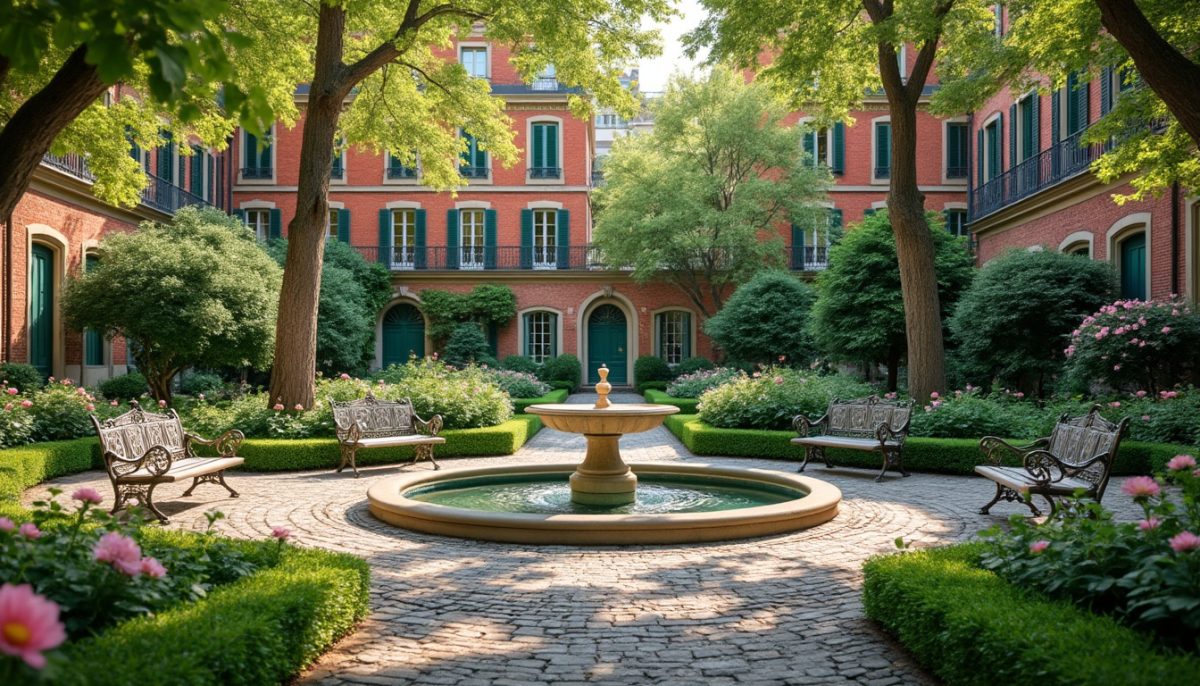
The architectural allure of Place des Vosges is indeed striking. The square is enveloped by a harmonious composition of red-brick and pale stone buildings, all exhibiting the same design, which creates a sense of uniformity not commonly seen in Paris. This design choice serves as a testament to the architectural vision of the early 17th century. Each building retains its distinctive character while contributing to an overarching aesthetic scheme that captivates hundreds of visitors each day.
Alongside the architecture, the landscape design of Place des Vosges further enhances its tranquil ambience. The central garden features meticulous manicured lawns, adorned with fountains and shaded by rows of lime trees that frame the area beautifully. This urban oasis is more than just a picturesque site; it serves as a gathering point where people can bask in the beauty of nature right in the heart of the city. The benches dotting the lawns invite guests to linger, reflect, and soak in the serene garden atmosphere.
This thoughtful integration of architecture and greenery is inspired by principles derived from classic French garden design, echoing the influence of renowned landscape architects like André Le Nôtre, who believed in the notion of gardens as extensions of architecture. Current landscape design practices often reference the harmonious balance found at Place des Vosges, drawing inspiration from its ability to combine natural beauty with structured elegance.
Activities and Experiences at Place des Vosges
As one strolls through Place des Vosges, the lively atmosphere is palpable. The square is more than a historical site; it is a hub of cultural engagement. Visitors can immerse themselves in a variety of activities, from exploring the eclectic mix of art galleries to indulging in local cafes. Art enthusiasts will find delights in the numerous galleries framed by the square’s arcades, showcasing innovative works from both emerging and established artists. Notable mentions include Galerie Modus and Galerie Nikolas Gambaroff, both of which enrich the artistic landscape of the area.
When it comes to savoring the exquisite culinary offerings, the cafes and restaurants surrounding the square provide an array of choices. Breakfast or afternoon tea at Carette, with its delectable pastries, is a local favorite. For a more luxurious experience, L’Ambroisie, a three-Michelin-star restaurant, offers French cuisine to tantalize the senses in a refined setting. Each visit can be topped off with a meal that showcases the epitome of French culinary arts, set against the backdrop of a historic square.
Moreover, Place des Vosges serves as a perfect launch point for those wishing to explore further. Nearby attractions like Musée Carnavalet and Musée Picasso provide deeper insights into the cultural tapestry of Paris. The former showcases the city’s rich history, while the latter houses an impressive collection of Picasso’s oeuvre, set within a beautifully renovated hôtel particulier. Opportunities for exploration are as plentiful as the tranquil moments offered within the serene garden.
Visiting Tips and Practical Information
For those wishing to delve deeper into the heritage of the area, a trip to the Maison Victor Hugo, located at the southeast corner of the square, is essential. This museum is dedicated to the life and works of the illustrious author, housing manuscripts, personal effects, and portraits that bring his literary contributions to life. It’s a space that allows visitors to connect with Hugo’s legacy in a meaningful way. Lastly, accommodations near Place des Vosges cater to both luxury and affordability, with options like the Pavillon de la Reine offering a charming boutique hotel experience. Staying in the Marais district adds another layer of enjoyment, as visitors can wander unique streets and discover local shops that define the area’s character. To enhance the experience, consider joining guided tours that focus on the multifaceted history of the square, often led by passionate locals who richly narrate the tales of this urban oasis.
Accommodation Type
Price Range
Distance to Place des Vosges
Pavillon de la Reine
€€€€
Within 100 meters
Hôtel de Joséphine
€€
200 meters
Budget Hostels
€
500 meters