In the vibrant tapestry of Paris, hidden gems await eager explorers. Among these, Rue des Barres stands as a testament to the city’s rich history, weaving its narrative through the cobblestoned streets of the Marais district. Just a stone’s throw from the bustling Seine, this medieval path invites those willing to veer off the beaten track. Walking through Rue des Barres is like journeying back in time, where each corner reveals a piece of French culture and architecture. The allure of discovering such secret streets adds a thrilling dimension to any sightseeing adventure in the City of Light.
As you wander along Avenue de La Mortellerie and Rue François Miron, the transition to Rue des Barres is almost spellbinding. The serenity encapsulated within its narrow confines offers a stark contrast to the lively atmosphere of nearby attractions, making it a sanctuary for travelers seeking authenticity. This historic street not only holds architectural wonders but also captivating stories from the past, each waiting to be unveiled. For visitors in 2026, now is an opportune moment to delve into the depths of Paris’s history and embrace its less explored facets.
Unraveling the History of Rue des Barres
Rue des Barres, stretching a mere 150 yards, carries a weight of history that few can fathom. Originally, it served as an access point to water-powered mills located along the Seine in medieval Paris. One of these mills, known as Moulin des Barres, was named after the barriers or “barres” that stood firm against Viking invaders, showcasing the street’s defensive origins. It is intriguing to think that as you stroll down this path, you are walking along a once vital artery in the historical defense of the city.
On a map dating back to 1550, Rue des Barres is clearly marked, running between today’s Rue de l’Hôtel de Ville and Rue François Miron. This early cartographic representation showcases not just the street’s longevity but also the gradual evolution of Paris itself. Today, while most of Paris presents a modern façade, Rue des Barres allows for a glimpse into the medieval epoch. The street’s architecture resonates with its historical significance, offering visitors an authentic atmosphere amidst the contemporary hustle and bustle of the city.
As you explore Rue des Barres, you will encounter structures echoing the beauty of bygone eras. Take, for instance, the majestic Hôtel des Barres, constructed in 1250. It became widely associated with Louis de Boisredon, captain of the Queen’s Bodyguards, who met an unfortunate end enshrined in royal intrigue. This incident highlights the dramatic narratives that have unfolded within these walls, inviting visitors to ponder over the lives that once permeated this street during its prime.
Architectural Wonders Along Rue des Barres
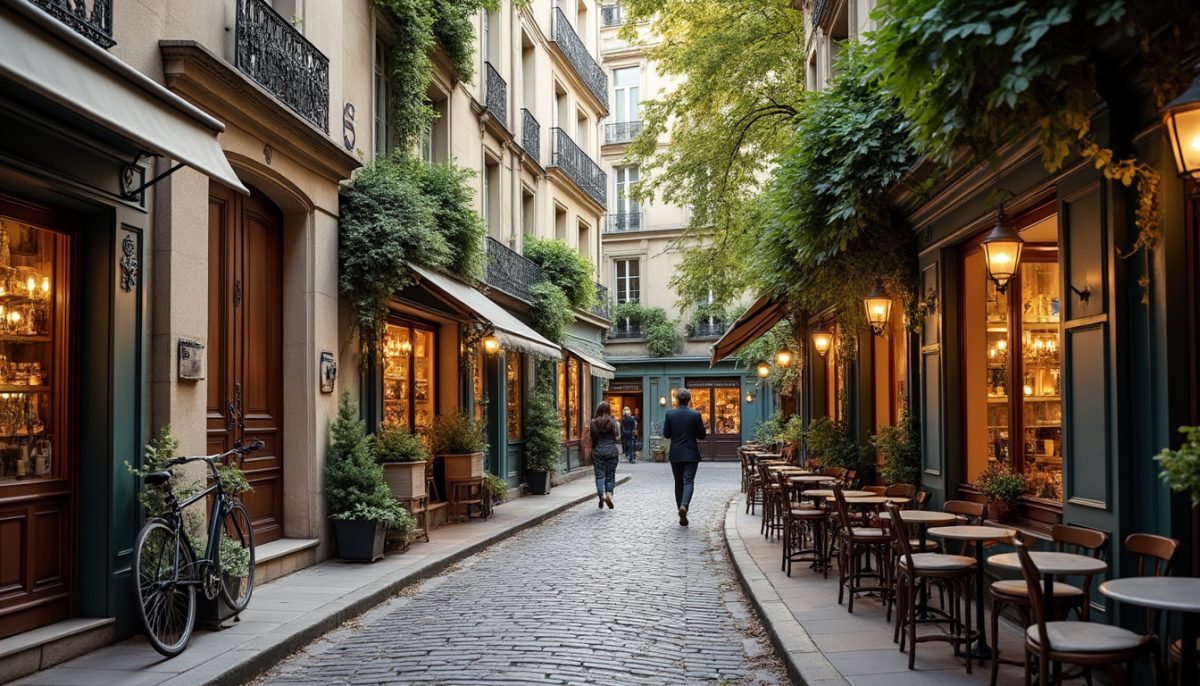
The journey along Rue des Barres is not merely a stroll through time; it is also an architectural revelation. As you meander through its cobblestones, your gaze will inevitably be drawn to the half-timbered buildings that narrate the architectural evolution of the French. Notable structures, such as those at number 12 and number 15, reveal their age through their charming façades, with number 12 tracing its roots back to when an abbey occupied the area. Reconstructed in the half-timbered style in 1540, it beautifully contrasts with the more modern designs surrounding it.
Upon reaching number 15, a house built in 1624 greets you, embodying the elegance and historical narratives encapsulated in its very walls. Each building contributes further to the charm and mystery of Rue des Barres, creating a cohesive visual narrative that transports visitors through various architectural styles. For enthusiasts of French culture and architecture, this street acts as a microcosm of the diverse building techniques and aesthetic preferences that have shaped Paris over centuries.
The rich historical tapestry extends beyond the buildings to the ambiance itself. As you walk, take a moment to absorb your surroundings. The sounds of distant laughter from nearby cafés meld with the soft murmur of the Seine, creating an enchanting auditory backdrop. The tranquil atmosphere encourages lingering—whether it’s to capture a photograph of the architectural details or simply to soak up the history that permeates the air.
The Cultural Significance of Rue des Barres
Beyond its historical and architectural merits, Rue des Barres embodies the heart of local culture in the Marais district. This enclave has nurtured artists, writers, and thinkers for centuries, making it a vibrant cultural hub. Visitors today can cherish not only the beauty of the buildings but also the lively interactions that unfold as Parisians go about their daily lives. Street-side cafés and local boutiques bring life to this quaint street, making it an oasis of authenticity amidst the tourist heavyweights of Paris.
Cafés like Café Louis Philippe, situated at the entrance of Rue des Barres, invite passersby to pause and enjoy a leisurely cup of coffee while observing the dynamic interplay of culture and history. From engaging conversations to art displays, this street serves as a canvas for modern French culture while retaining its historical integrity. It is here that visitors can experience the essence of Parisian life, as locals interact in this serene setting, echoing the traditions of their ancestors.
The artistic legacy of the Marais district resonates through the very fabric of the street, with artists often showcasing their works on the façades of buildings or in the form of installations. This active artistic scene reflects modern French culture’s deep roots in history and invites travelers to engage more actively with their surroundings. By exploring Rue des Barres, visitors have the opportunity to witness the convergence of past and present, enriching their travel experience in ways that extend beyond mere sightseeing.
Local Attractions Near Rue des Barres
Situated in close proximity to several notable attractions, Rue des Barres serves as an excellent starting point for exploring the Marais district. Travelers intent on making the most of their visit can venture a few blocks to discover the iconic Notre-Dame Cathedral and the picturesque Île Saint-Louis, offering panoramic views of the Seine. These landmarks, often bustling with tourists, contrast with the tranquil atmosphere of Rue des Barres, creating a well-rounded Parisian experience.
Moreover, the district is home to various art galleries, museums, and historical sites that add depth to the journey through Paris’s vibrant culture. A specific mention goes to the Louvre, a former royal palace that now stands as the world’s most visited museum, housing masterpieces that span centuries. Each visit emphasizes the importance of understanding the past to fully appreciate the present—a key motif in the exploration of Rue des Barres.
The rich tapestry of local attractions and activities beckons travelers to immerse themselves in the environment. Whether marveling at historic architecture, admiring striking artworks, or simply soaking up the ambiance, there is no shortage of experiences awaiting visitors. Rue des Barres exemplifies how hidden spots often reveal the essence of a city, reminding travelers that the journey is just as significant as the destinations.
| Feature | Description | Location |
|---|---|---|
| Hôtel des Barres | Historic mansion built in 1250, rich with royal intrigue. | Rue des Barres |
| Église Saint-Gervais | Church dating back to the 7th century, featuring stunning stained glass. | Adjacent to Rue des Barres |
| Café Louis Philippe | Charming café offering traditional French cuisine and coffee. | Rue des Barres |
| Moulin des Barres | Historical mill, pivotal for the area in medieval times. | Near Rue des Barres |
Why Explore Rue des Barres?
Embracing the history and charm embedded within Rue des Barres is crucial for any traveler seeking a deeper understanding of Paris. As part of your journey through the Marais district, this vintage street provides a unique perspective on the city that is often overshadowed by its more famous landmarks. It illustrates how exploring lesser-known parts of Paris can yield profound insights into the nuances of French culture and society.
Visiting Rue des Barres allows for a more authentic connection to the city. The serene ambiance, combined with engaging interactions with locals, cultivates an experience that transcends typical tourism. You find that in these quieter corners, where stories linger in the air, the pulse of Paris reveals itself. The unfolding narrative, tied to historical events and cultural evolution, resonates with anyone willing to immerse themselves fully.
In a rapidly modernizing world, preserving the essence of locations like Rue des Barres becomes increasingly important. This street serves as a reminder of the enduring spirit of Paris, evoking a sense of nostalgia and appreciation for the past while simultaneously inviting new stories to take root. As you wander along this charming pathway, may you find the hidden gems that await, enriching your Parisian experience in ways you never anticipated.