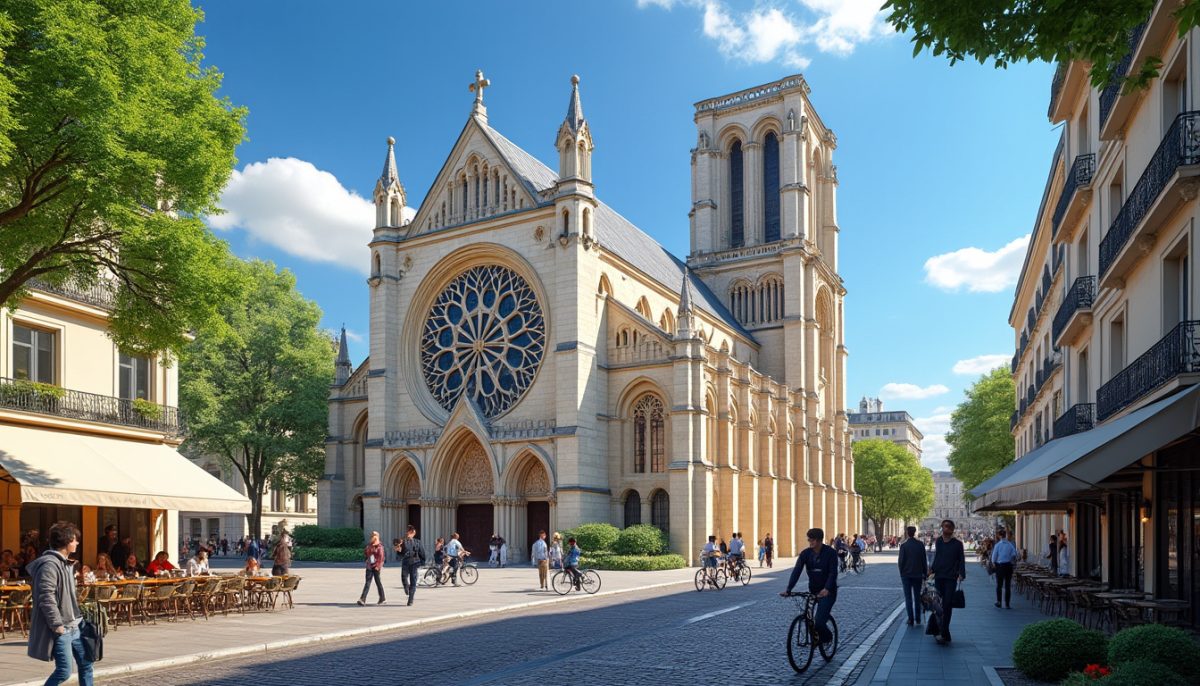
Renowned for its remarkable architecture and rich historical significance, Saint-Eustache Church stands as a testament to the artistic soul of Paris. Nestled in the lively Les Halles district, this magnificent structure integrates elements from both the Gothic and Renaissance styles, providing a unique glimpse into the city’s architectural evolution. Despite being one of the lesser-known Parisian landmarks, it is a cultural treasure waiting to be discovered. From its serene interiors to its vibrant surroundings, Saint-Eustache offers visitors not only a spiritual refuge but also a deep dive into the urban heritage of Paris.
The Architectural Marvel of Saint-Eustache Church
The construction of Saint-Eustache Church spanned over a century, commencing in 1532 and concluding in 1632. This extended timeline reflects the complexity of its design, which amalgamates High Gothic style with stunning Renaissance details. Encompassing an impressive length of 346 feet paired with a nave soaring to 112 feet, the church’s proportions are more reminiscent of a cathedral than a standard parish church. The intricate flying buttresses, rose windows, and flamboyant vaults lend the structure an ethereal quality, drawing admirers from around the globe. Its facade rivals that of the iconic Notre-Dame, distinguished by its elaborate carvings and sculptural elements.
The interior holds equal allure, boasting exceptional acoustics that make it a favored venue for sacred music performances. Renowned composers such as Verdi, Liszt, and Berlioz chose this sanctuary to premiere their works, lured by the church’s splendid organ—France’s largest, with a staggering 8,000 pipes. Music enthusiasts often flock to witness this cultural heritage firsthand, especially during Christmas Eve services, where the marriage of music and architecture creates an unforgettable atmosphere. Pride of place goes to masterpieces like the Rubens painting, “Pilgrims at Emmaus” which adds another layer to the church’s artistic bounty.
Gothic Elements and Renaissance Flourishes
The marriage of Gothic elements with Renaissance flourishes is what makes Saint-Eustache particularly compelling. The soaring arches typical of Gothic architecture are beautifully complemented by Renaissance decorations, creating a harmonious blend. Visitors can spot the intricate carvings and detailed motifs that reflect the era’s style and craftsmanship. The church’s design embodies the transition between two significant periods in architectural history, serving as a canvas where artistic movements converged.
In the animated backdrop of the bustling Les Halles area, this historic church silently narrates the stories of the past through its walls. Considered one of the last major Gothic churches built in Paris, it captures a moment in time when the city was evolving, reflecting both religious devotion and the growing influence of humanism. Walking through its aisles, one cannot help but feel the weight of history, as many important figures, from nobility to ordinary citizens, have walked the same paths, adding to the profound aura of the place.
Cultural Significance of the Neighborhood
Located in the vibrant neighborhood of Les Halles, Saint-Eustache Church is intimately connected with its surroundings. Once the heart of Paris’s food market for over eight centuries, the area remains a bustling hub today, with the modern Forum Les Halles shopping center nearby. This juxtaposition of historical context and contemporary urban life creates a unique atmosphere, inviting exploration and appreciation of both the old and the new.
Visitors can easily stroll along Rue Montorgueil, the renowned semi-pedestrian street brimming with cafes, bakeries, and fresh produce markets that evoke a vibrant Parisian lifestyle. The neighborhood serves as a prime example of how the city’s historical richness coexists with modernity, seamlessly blending culinary culture, community life, and architectural splendor. Each corner turned offers a glimpse into the urban heritage that defines Paris, making it a favorite for tourists and locals alike.
Historical Events and Figures Associated with Saint-Eustache
Throughout its history, Saint-Eustache Church has been the backdrop for significant events and the final resting place for notable individuals. It served as the parish church for the merchants of Les Halles and attracted members of the nobility who lived nearby, such as those from the Louvre and the Palais Royal. The church has hosted several prestigious baptisms, including those of Molière and Madame de Pompadour, resonating culturally and socially throughout the centuries.
The church is not just a place of worship; it has also been the site of numerous famous funerals. Among those laid to rest within its vicinity are figures like Cardinal Colbert and even Mozart’s mother, Anna Maria. The dual role of Saint-Eustache as both a spiritual center and a locale of historical significance illustrates its integral place within the cultural tapestry of Paris.
During the turbulent times of the French Revolution, the church faced challenges, being vandalized and repurposed for non-religious uses. Yet, it ultimately survived the upheaval, not only preserving its structure but also its legacy as a temple of listening and learning. Today, it stands not only as a place of worship but also as a cultural site dedicated to remembrance and heritage.
Visiting Saint-Eustache Church: What to Expect
When planning a visit to Saint-Eustache Church, understanding the logistics can enhance the experience significantly. Open daily until 7 PM and closed on national holidays, the church makes an inviting space for both worshippers and tourists. Its accessibility through the nearby Metro Les Halles allows visitors to descend into the heart of the city without difficulty. Upon entering, one may find themselves captured by the serene ambiance, drawing a stark contrast to the lively streets outside.
It is highly recommended to join a guided tour to fully appreciate the artistic and architectural elements of the church. Such tours typically delve into the historical context and stories behind the church’s design, revealing details that may go unnoticed otherwise. Additionally, special musical performances are held throughout the year, with the church’s renowned organ often featured prominently, offering an auditory experience to accompany the visual splendor of the architecture.
Location and Surroundings
Saint-Eustache’s location in the 1st arrondissement places it amidst some of Paris’s prime attractions. Visitors can easily combine their trip with explorations of nearby sites such as the Louvre Museum and other renowned Paris landmarks. The area itself is an urban neighborhood characterized by a lively mix of cultures, cuisines, and experiences, making it the perfect starting point for a broader exploration of Paris.
As you venture into the surrounding streets, you can explore hidden cafes, artisan bakeries, and diverse eateries that contribute to the culinary richness of the neighborhood. Each aspect of your visit, from the solemn serenity of the church’s interiors to the vibrant life outside, creates a comprehensive experience of Parisian culture.
| Attraction | Type | Location |
|---|---|---|
| Saint-Eustache Church | Historic Church | 1st Arrondissement |
| Forum Les Halles | Shopping Center | Les Halles |
| Louvre Museum | Art Museum | Nearby |
| Rue Montorgueil | Market Street | Adjacent |
In conclusion, Saint-Eustache Church is far more than a place of worship; it embodies the resilient spirit of Paris. This vibrant cultural site offers insights into the city’s artistic, historical, and spiritual legacy. As you wander through its hallowed halls and experience the vibrant neighborhood, the echoes of the past seamlessly blend with the vitality of contemporary Paris, creating an experience that captivates every visitor.