In the heart of the vibrant Sixth Arrondissement, the Saint-Sulpice Church stands as a monumental testament to Parisian history and culture. Not just a place of worship, this historic church embodies the essence of French architecture and serves as a gathering space for tourists and locals alike. Its colossal twin towers rise above the bustling streets, commanding attention and curiosity. Beyond its physical grandeur, the church houses intriguing stories and artistic wonders that captivate visitors from around the world.
Just a stone’s throw from the enchanting Jardin du Luxembourg, Saint-Sulpice appears almost unexpectedly as you navigate the quaint streets of the area. The church’s back façade looms large, enticing passersby to explore its depths and uncover its many layers. Constructed over an extended period of 224 years, this magnificent structure reflects a blend of architectural influences that make it unique in the city, inviting everyone’s gaze. The history of Saint-Sulpice is not merely about bricks and mortar; it is about the people, art, and events that have shaped this cultural landmark since its inception.
Architectural Splendor of Saint-Sulpice Church
The architectural style of Saint-Sulpice Church is a remarkable example of Baroque design, characterized by its stunning façade and intricate detailing. As one of the largest churches in Paris, it boasts a majestic interior that leaves a lasting impression on all who enter. The unique design features of the church can be attributed to the several architects involved in its construction, including the renowned Giovanni Niccolò Servandoni. His vision significantly influenced its layout and overall aesthetic.
The church’s two towers, a hallmark of its exterior, are famously mismatched. This discrepancy results from different architectural plans being used at various stages of the building’s history. The northern tower stands at a height of 69 meters, while the southern tower reaches 61 meters, representing the alternating visions of the architects involved. This intriguing aspect offers a profound lesson in the evolution of artistic endeavors, illustrating how differing ideas can coexist within a single structure. Visitors can find themselves lost in admiration for these grand towers, especially when viewed against the backdrop of a clear blue sky.
Inside: A Glimpse of Rich History and Art
Stepping inside, the atmosphere shifts dramatically from the bustling square outside. The grand nave with its soaring vaults evokes a sense of reverence and tranquility. One cannot help but feel connected to centuries of worship and reflection that have taken place within these walls. The decorative elements are equally remarkable, featuring intricate altarpieces and chapels that celebrate a rich tapestry of religious heritage.
Among the treasures housed within the church is the largest fresco painted by Eugène Delacroix, titled “Jacob Wrestling with the Angel.” Located in the chapel to the right of the entrance, this remarkable piece of art reveals the artist’s mastery and emotional depth. However, the lighting inside can be quite dim, making it essential for visitors to take a moment to truly appreciate the intricacies of the fresco. Delacroix grappled with this piece for several years, and its completion adds another layer of significance to its already revered status.
Notably, the church is also home to a giant sundial, or gnomon, which serves a scientific purpose by marking the spring equinox. This ancient tool, installed in the 1720s, reflects the church’s engagement with not just spiritual but also astronomical traditions. Positioned on the tiled floor, it attracts scholarly curiosity while highlighting a unique intersection of science and religion.
The Evolution of Saint-Sulpice Church: A Historical Overview
The story of Saint-Sulpice Church begins in the 13th century when a smaller church was constructed to serve the peasants living in the area. Over the years, the demand for a larger structure grew, leading to the ambitious plans that ultimately resulted in the current church. Its construction commenced in 1646 and extended over two centuries, encompassing various architectural styles and influences, from the Baroque to Neo-Classical. It embodies an evolution of taste and artistry that is reflective of the changing Parisian landscape.
Much of the construction took place during a transformative period for Paris, marked by significant urban development, including the creation of the neighboring Jardin du Luxembourg. As work on the church progressed, the challenges of managing the scale of the project became apparent. This lengthy timeline can be attributed to historical events, political changes, and funding issues. Nevertheless, as the years rolled by, the project steadily took shape, showcasing the dedication of those involved.
Iconic Fountains and Their Significance
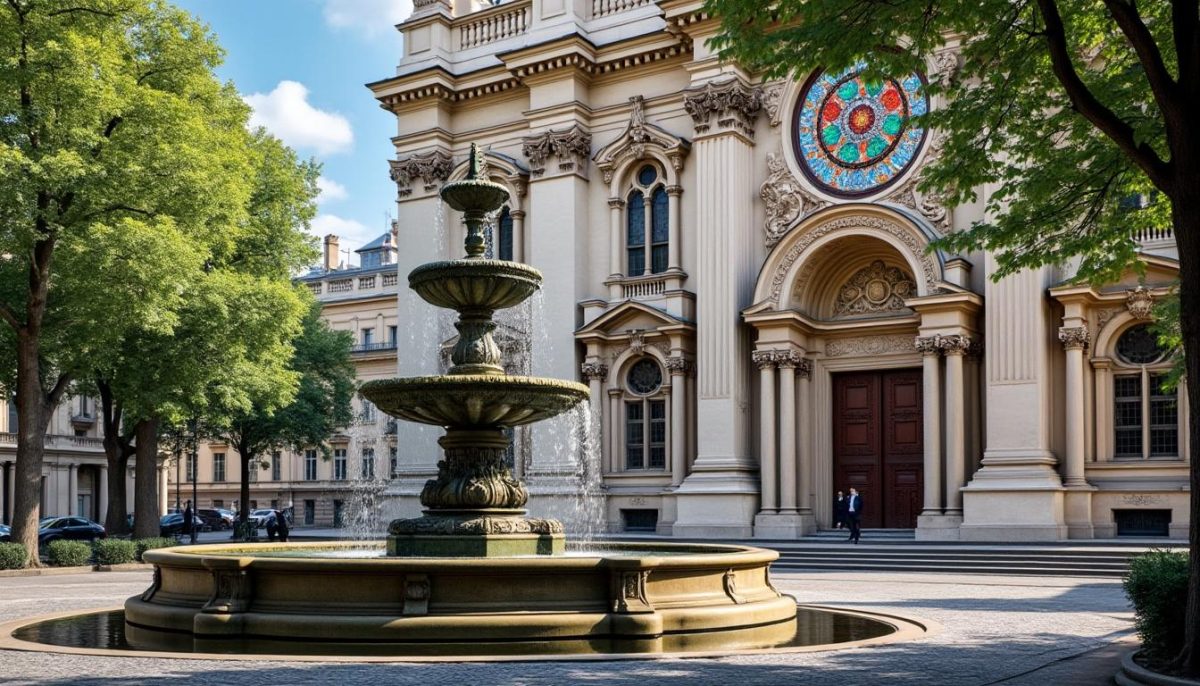
Complementing the architectural marvel of Saint-Sulpice are its iconic fountains, adorned with exquisite sculptures and serene design. The most noticeable of these is credited to Italian architect Joachim Visconti, who designed the fountain in the mid-19th century. Statues representing the cardinal points, created by various renowned sculptors, grace its sides, enhancing its aesthetic charm. Visitors often find themselves drawn to the tranquil sound of water cascading against the backdrop of the church, providing a delightful contrast to the lively atmosphere surrounding Place Saint-Sulpice.
The fountains hold not only artistic merit but also cultural significance. They serve as gathering spots for both locals and tourists, contributing to the vibrant life in the Sixth Arrondissement. The careful landscaping and attention to detail around the fountains create an inviting ambiance, transforming the area into a popular destination for leisurely strolls and quiet reflection.
Saint-Sulpice Church as a Cultural Landmark
As a pivotal landmark in Paris, Saint-Sulpice Church has become synonymous with the rich tapestry of the city’s cultural heritage. It is not only an important religious site but also a vibrant cultural center that showcases the artistic achievements of various periods. In recent years, it gained international fame as a key location in Dan Brown’s novel and subsequent film, The Da Vinci Code. Although the movie was not filmed inside the church, it sparked a resurgence of interest and curiosity among global audiences.
This newfound recognition has allowed the church to foster a deeper connection with the public, inviting discussion about its historical roots and place within the fabric of Parisian life. The controversies and distortions presented in the novel provided opportunities for the church to clarify its history and significance, reminding visitors that beneath the layers of fiction lies a foundation of authentic religious heritage and architectural splendor.
Visiting Saint-Sulpice Today
Today, Saint-Sulpice Church stands not only as a religious institution but also as a celebrated tourist attraction. Located conveniently in the heart of the Sixth Arrondissement, it is easily accessible via public transportation with nearby Metro Saint-Sulpice. Visitors are encouraged to explore not just the church but also the picturesque square that houses the fountains, engage with local cafés, and enjoy the dynamic energy of the surrounding quartier.
In the vibrant analytical landscape of 2026, as Paris evolves, the church remains a must-see destination for both seasoned travelers and newcomers alike. Its majestic presence serves as a reminder of the city’s enduring artistic spirit and multifaceted history, offering countless opportunities for exploration and reflection. Whether seeking a moment of prayer, an appreciation for art, or an encounter with history, Saint-Sulpice Church continues to be a cherished icon of Paris.
| Feature | Description | Significance |
|---|---|---|
| Architectural Style | Baroque and Neo-Classical | Represents the evolution of architectural trends in Paris. |
| Delacroix’s Fresco | Jacob Wrestling with the Angel | Showcases the peak of Romantic art. |
| Giant Sundial | Scientific tool marking the spring equinox | Demonstrates the integration of art and science. |
| Iconic Fountain | Designed by Joachim Visconti | Enhances the beauty of the surrounding area and serves as a public gathering spot. |